News and Articles

Explore our informative articles, insights, and updates focused on North Carolina Estate Administration, Estate Planning, Partition Actions, and Surplus Fund cases. Our goal is to make these complex topics accessible, offering you guidance and understanding at each step of the legal process. Whether you’re looking to navigate probate administration, protect your assets through careful planning, understand partition actions, or resolve issues with surplus funds, our articles are designed to empower you with practical advice, legal insights, and actionable steps. Stay informed and feel confident as you make decisions about your estate and legal matters.

What steps are involved in transferring existing guardianship from the current guardian to me?: Answered for North Carolina

What steps are involved in transferring existing guardianship from the current guardian to me? – North Carolina Short Answer In North Carolina, you take over an existing guardianship by asking the Clerk of Superior Court to replace the current guardian and appoint you as the successor. This can happen by the current guardian’s resignation or…

Read more

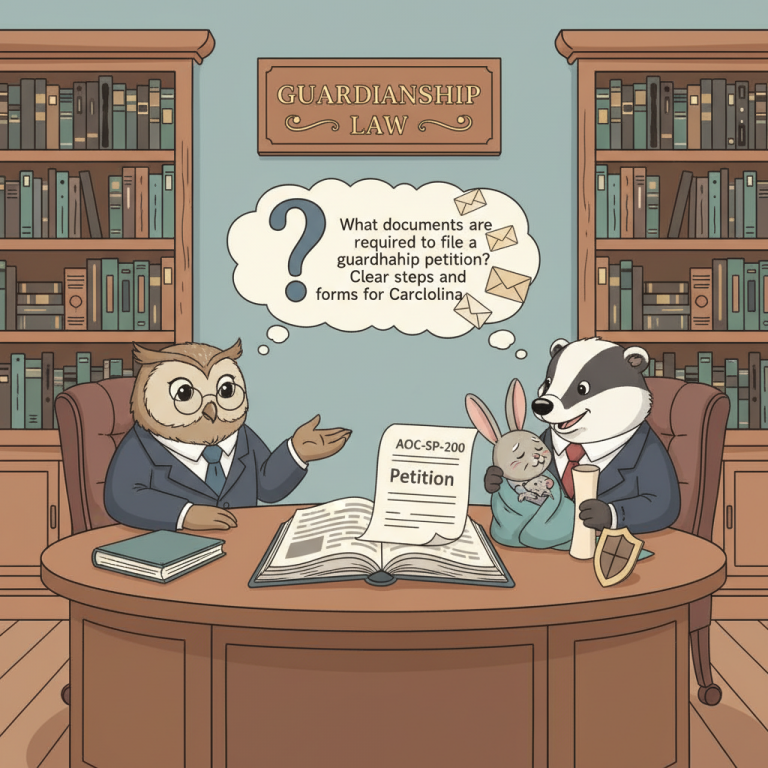
What documents are required to file a guardianship petition?: Clear steps and forms for North Carolina

What documents are required to file a guardianship petition? – North Carolina Short Answer In North Carolina, you start an adult guardianship case by filing a verified Petition for Adjudication of Incompetence and Application for Appointment of Guardian (AOC-SP-200) with the Clerk of Superior Court in the respondent’s county. The clerk issues a Notice of…

Read more

What steps should I take if my co-administrator refuses to communicate about estate matters?

What steps should I take if my co-administrator refuses to communicate about estate matters? – North Carolina Short Answer In North Carolina, if a co-administrator won’t cooperate and it impairs estate administration, you can ask the Clerk of Superior Court to intervene. The clerk can order accountings, require or increase bond, compel cooperation, order mediation,…

Read more

What documents are required to prove my parent-in-law’s right to the decedent’s property?: A practical guide under North Carolina probate law

What documents are required to prove my parent-in-law’s right to the decedent’s property? – North Carolina Short Answer In North Carolina, title to a decedent’s non-survivorship real estate vests at death in the heirs (no will) or in the devisees (will). To prove your parent‑in‑law’s right, you typically need evidence of death, proof of whether…

Read more