News and Articles

Page 395 of 664

Probate Q&A Series

How do I deal with a property mortgage during probate? NC

How do I deal with a property mortgage during probate? – North Carolina Short Answer In North Carolina probate, a mortgage usually stays attached to the real estate. The heir generally receives the property “subject to” that mortgage unless the personal representative pays it off, refinances (with court involvement), or sells the property and uses…

Read more
Probate Q&A Series

Can I demand my aunt provide documentation for funeral and care expenses she claims against my father’s estate? – NC

Can I demand my aunt provide documentation for funeral and care expenses she claims against my father’s estate? – North Carolina Short Answer Yes. In North Carolina, the personal representative (executor) has the job of reviewing creditor claims and can ask a claimant to support the claim with paperwork such as invoices, receipts, and an…

Read more
Probate Q&A Series

How do I avoid listing assets that have beneficiary designations in the probate inventory? – NC

How do I avoid listing assets that have beneficiary designations in the probate inventory? – North Carolina Short Answer In North Carolina, the probate inventory generally lists property the personal representative controls as part of the probate estate—meaning assets titled in the decedent’s sole name or payable to the estate. Assets that pass directly to…

Read more
Probate Q&A Series

What’s the best way to amend or update the collection affidavit to include asset values without opening a full probate estate? – NC

What’s the best way to amend or update the collection affidavit to include asset values without opening a full probate estate? – North Carolina Short Answer In North Carolina, the cleanest way to correct a collection-by-affidavit filing that omitted values is usually to file an updated (replacement) collection affidavit with the Clerk of Superior Court…

Read more
Probate Q&A Series

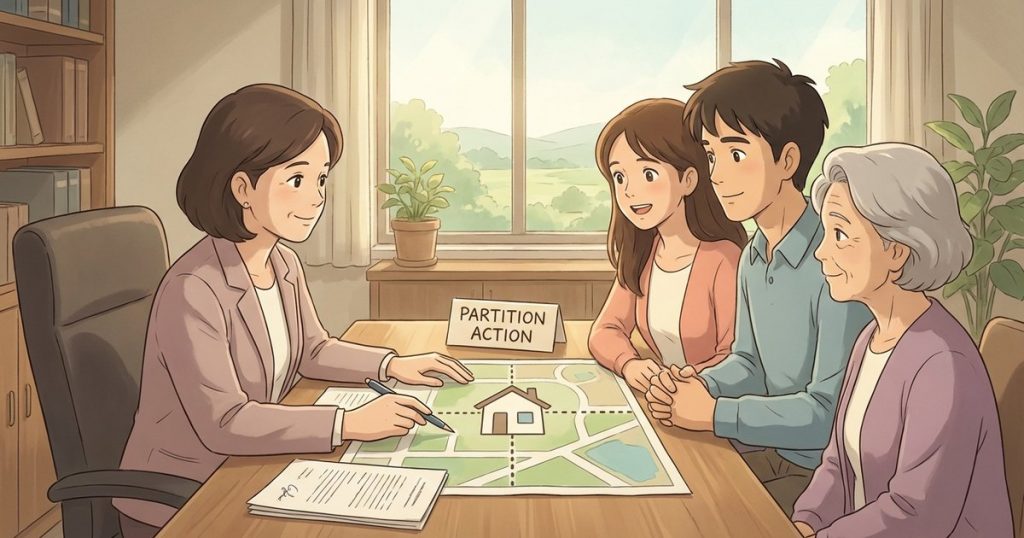
How does a court-ordered partition action work? – NC

How does a court-ordered partition action work? – North Carolina Short Answer In North Carolina, a court-ordered partition is a special court process that lets a co-owner of real estate force either (1) a physical division of the property (partition in kind) or (2) a court-supervised sale with the proceeds divided among the owners (partition…

Read more
Go to Top
Free Consultation

Talk with a North Carolina attorney

Tell us a bit about your situation and we'll respond within one business day.