News and Articles

Page 542 of 942

Probate Q&A Series ·

Who is responsible for ongoing costs like property taxes, insurance, utilities, and maintenance when someone has the right to live in the house? NC

Who is responsible for ongoing costs like property taxes, insurance, utilities, and maintenance when someone has the right to live in the house? – North Carolina Short Answer In North Carolina, when a will gives someone the right to live in a house for life (often treated like a life estate), that person is generally…

Read more
Real Estate Q&A Series ·

If I stop using the building for my own business and rent it out later, how could that affect my loan terms or interest rate? NC

If I stop using the building for my own business and rent it out later, how could that affect my loan terms or interest rate? – North Carolina Short Answer In North Carolina, switching a bank-financed commercial building from owner-occupied use to a rental can matter if the loan documents require owner occupancy or treat…

Read more
Probate Q&A Series ·

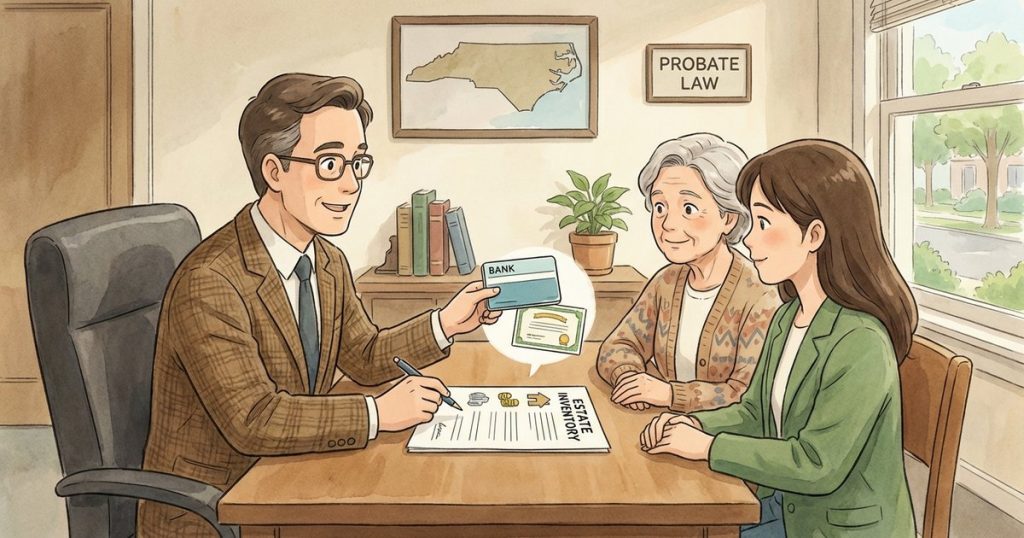
Do I have to list bank accounts and other non-probate assets on the probate inventory, and where do they go on the inventory form? NC

Do I have to list bank accounts and other non-probate assets on the probate inventory, and where do they go on the inventory form? – North Carolina Short Answer In North Carolina, the probate inventory is broader than “probate-only” property. Many assets that pass outside probate (like joint-with-survivorship accounts and POD/TOD accounts) are still typically…

Read more
Guardianship Q&A Series ·

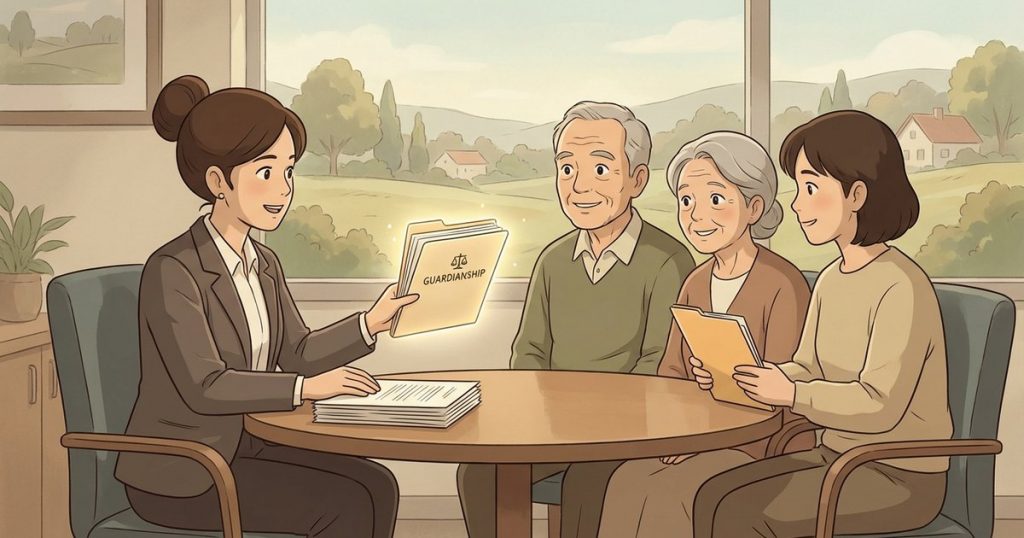
Do I need a new mental health evaluation or recent medical records to prove my adult child needs a guardian? NC

Do I need a new mental health evaluation or recent medical records to prove my adult child needs a guardian? – North Carolina Short Answer Not always. In North Carolina, the clerk of superior court can decide an adult incompetency/guardianship case based on the evidence presented, and the clerk can also order a current multidisciplinary…

Read more
Probate Q&A Series ·

What happens if a family member later changes their mind about the agreement on who gets the property or other assets? NC

What happens if a family member later changes their mind about the agreement on who gets the property or other assets? – North Carolina Short Answer In North Carolina, a family member can often change course unless the agreement was put into a proper, enforceable form (typically a written settlement, signed releases, and/or a filed…

Read more
Real Estate Q&A Series ·

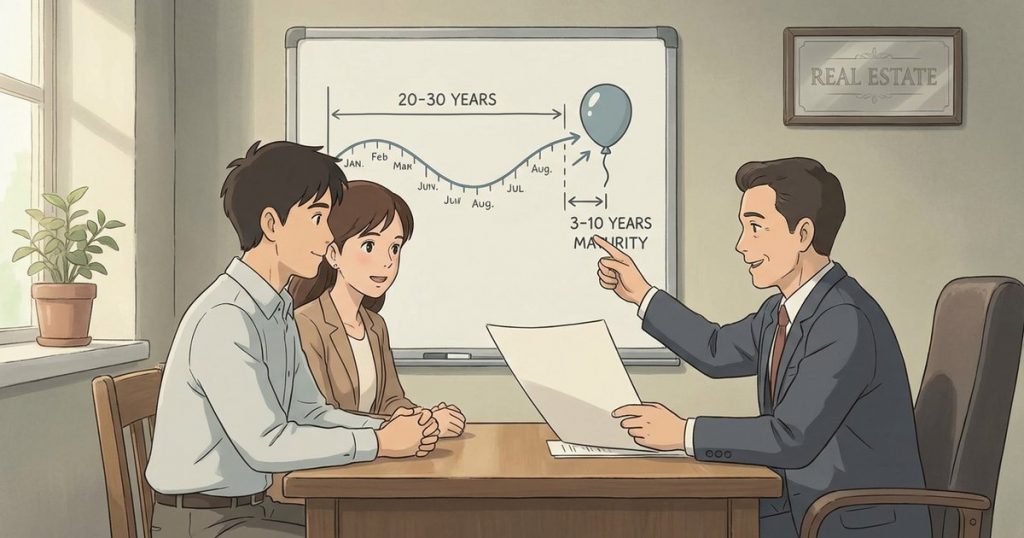
How does a balloon commercial real estate loan work, and what happens when the maturity date comes up? NC

How does a balloon commercial real estate loan work, and what happens when the maturity date comes up? – North Carolina Short Answer In North Carolina, a balloon commercial real estate loan usually has monthly payments calculated on a long amortization schedule (often 20–30 years), but the note “matures” earlier (often 3–10 years). When the…

Read more
Probate Q&A Series ·

If there is a deficiency judgment listed in the paperwork, does that mean any estate assets would have to go to that debt before heirs receive anything? NC

If there is a deficiency judgment listed in the paperwork, does that mean any estate assets would have to go to that debt before heirs receive anything? – North Carolina Short Answer Not automatically. In North Carolina, heirs generally receive estate property only after the estate’s valid expenses and creditor claims are handled in the…

Read more
Probate Q&A Series ·

Is it worth contacting the notary who notarized the alleged transfer, and what can a notary record show in a forgery dispute? NC

Is it worth contacting the notary who notarized the alleged transfer, and what can a notary record show in a forgery dispute? – North Carolina Short Answer Yes. In North Carolina, contacting the notary can be a practical early step because the notary may confirm what type of notarization was performed, who appeared, when and…

Read more
Probate Q&A Series ·

Can a secured creditor start foreclosure after someone dies, and how can the estate slow down or stop that while the court sorts out creditors? NC

Can a secured creditor start foreclosure after someone dies, and how can the estate slow down or stop that while the court sorts out creditors? – North Carolina Short Answer Yes. In North Carolina, a mortgage lender or deed-of-trust holder can generally move forward with foreclosure after the borrower dies because the lien stays attached…

Read more

Questions about your situation?

Attorney Jared Pierce
Free case evaluation

Articles are a starting point, not legal advice. Talk through the specifics of your case with a North Carolina attorney — the case evaluation is always free.

Go to Top
Free Consultation

Talk with a North Carolina attorney

Tell us a bit about your situation and we'll respond within one business day.

This site is protected by reCAPTCHA and the Google Privacy Policy and Terms of Service apply.