News and Articles

Explore our informative articles, insights, and updates focused on North Carolina Estate Administration, Estate Planning, Partition Actions, and Surplus Fund cases. Our goal is to make these complex topics accessible, offering you guidance and understanding at each step of the legal process. Whether you’re looking to navigate probate administration, protect your assets through careful planning, understand partition actions, or resolve issues with surplus funds, our articles are designed to empower you with practical advice, legal insights, and actionable steps. Stay informed and feel confident as you make decisions about your estate and legal matters.

How do I request reimbursement for carrying costs like utilities or maintenance from sale proceeds?: Practical steps under North Carolina probate

How do I request reimbursement for carrying costs like utilities or maintenance from sale proceeds? – North Carolina Short Answer In North Carolina, an administrator can be reimbursed for necessary, reasonable carrying costs (like utilities, insurance, and basic maintenance) as administrative expenses if the Clerk authorizes them and the real estate is sold to pay…
Read more

Can I negotiate and reduce a nursing home facility’s claim against the estate?: Clear answers under North Carolina probate law

Can I negotiate and reduce a nursing home facility’s claim against the estate? – North Carolina Short Answer Yes. In North Carolina, the personal representative (executor/administrator) may negotiate and compromise creditor claims, including a nursing home’s bill, before paying from estate funds. Claims must be timely presented and are paid by statute in a set…

Read more

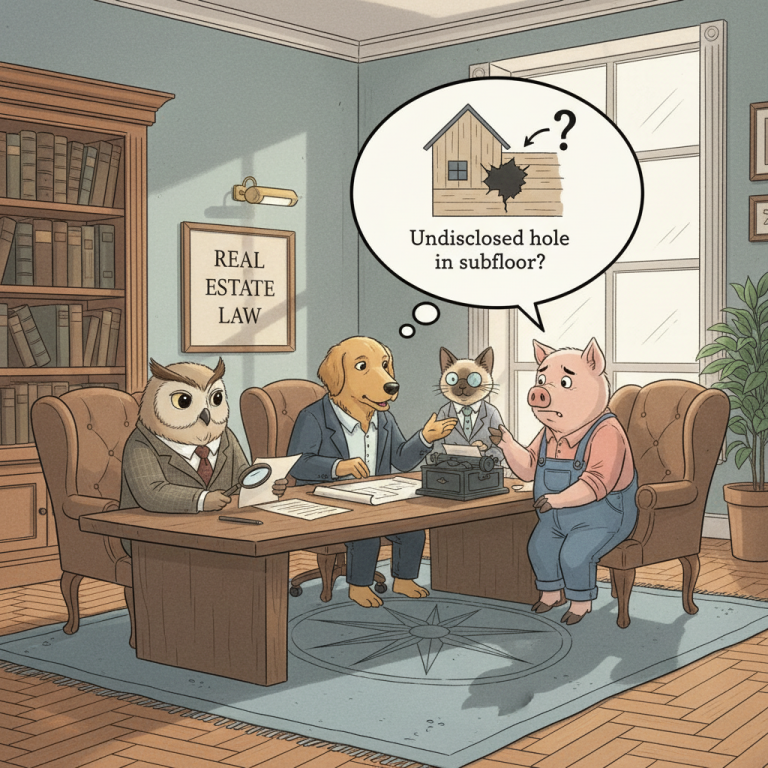
How do I handle a buyer’s inspection report revealing an undisclosed hole in the flooring substrate?: North Carolina guidance for estate home sales

How do I handle a buyer’s inspection report revealing an undisclosed hole in the flooring substrate? – North Carolina Short Answer In North Carolina, once you know about a material defect, disclose it in writing and decide—promptly and in good faith—whether to repair, offer a credit, or renegotiate during the buyer’s due diligence period. If…

Read more

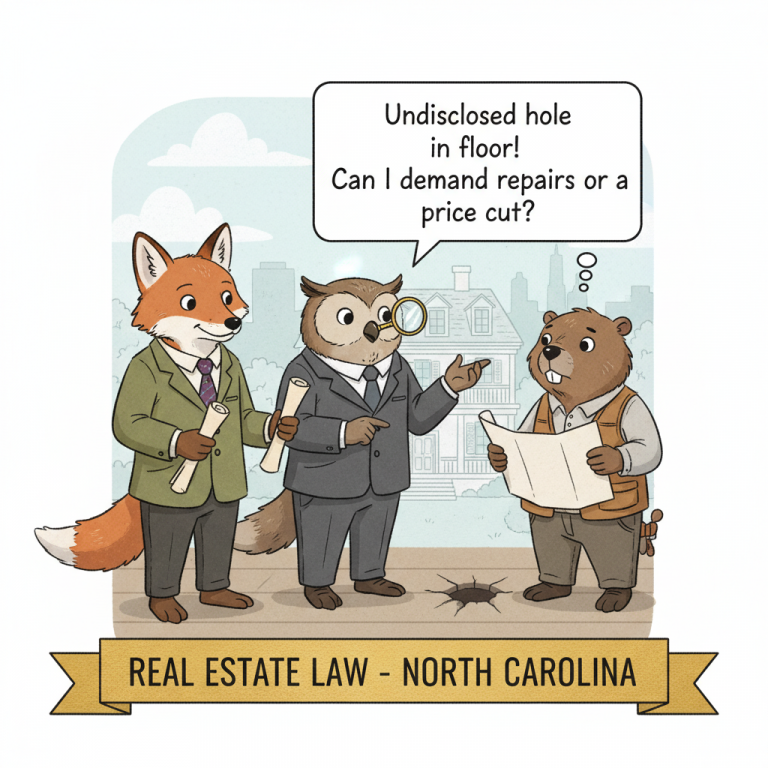
Can I demand repairs or a price adjustment for undisclosed structural damage in a real estate sale?: North Carolina guidance

Can I demand repairs or a price adjustment for undisclosed structural damage in a real estate sale? – North Carolina Short Answer In North Carolina, you generally cannot unilaterally demand repairs or a price change once a home is under contract. Changes require a written amendment signed by both buyer and seller, usually negotiated during…

Read more

What can I do if my realtor delays or withholds inspection reports and comparable sales data?: Practical steps under North Carolina law

What can I do if my realtor delays or withholds inspection reports and comparable sales data? – North Carolina Short Answer In North Carolina, a real estate agent who represents you owes duties of loyalty, disclosure of material information, and accounting. Withholding or delaying inspection reports, comparable sales, or offers can breach those duties and…

Read more

What remedies exist if a realtor accepts a low offer without disclosing higher comparables?: Answered under North Carolina law

What remedies exist if a realtor accepts a low offer without disclosing higher comparables? – North Carolina Short Answer In North Carolina, a seller can pursue claims against a broker for breach of fiduciary duty, misrepresentation, and unfair or deceptive trade practices if the broker pushes a low offer while withholding material market data. Remedies…

Read more

How do I verify repair requests and appliance valuations made by a realtor?: North Carolina seller’s guide

How do I verify repair requests and appliance valuations made by a realtor? – North Carolina Short Answer In North Carolina, your listing agent must promptly share material information and act in your interest. You can insist on the full inspection report, itemized contractor estimates with photos, and appliance details (make, model, serial number, age)…

Read more

How do I find out the correctional facility’s policies for signing power of attorney forms?: North Carolina guidance

How do I find out the correctional facility’s policies for signing power of attorney forms? – North Carolina Short Answer In North Carolina, a power of attorney must be signed by the incarcerated person and acknowledged before a notary. Each prison or jail sets its own procedures for notary access, legal mail, and attorney visitation.…

Read more