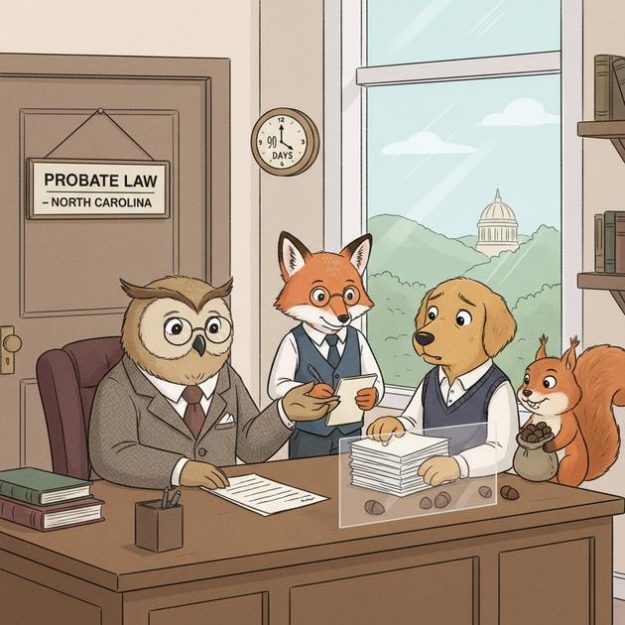
How can I refuse to sign a check for my parent’s estate when I haven’t seen any accounting?: Answered under North Carolina probate law

How can I refuse to sign a check for my parent’s estate when I haven’t seen any accounting? – North Carolina Short Answer Yes. In North Carolina, you do not have to sign distribution checks or closing paperwork until the personal representative files the required inventory and accounting with the Clerk of Superior Court. You…

What steps do I need to petition for guardianship over my cousin’s personal and financial affairs?: North Carolina process and timelines

What steps do I need to petition for guardianship over my cousin’s personal and financial affairs? – North Carolina Short Answer In North Carolina, you start by filing a verified petition for adjudication of incompetence and appointment of a guardian with the Clerk of Superior Court in the county where your cousin lives or is…

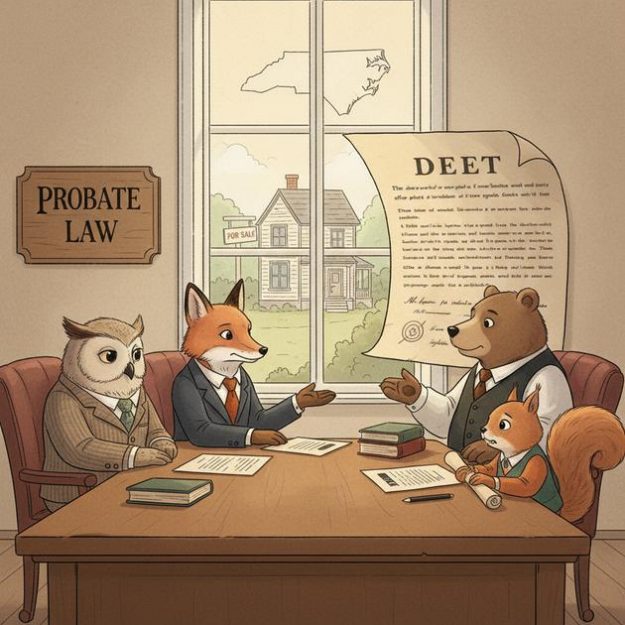
What happens to rent and mortgage responsibilities when a tenant vacates under a partition lawsuit?: North Carolina

What happens to rent and mortgage responsibilities when a tenant vacates under a partition lawsuit? – North Carolina Short Answer In North Carolina, when a tenant leaves during a pending partition case, the rent stops, but the mortgage and other carrying costs remain the co-owners’ responsibility. The Clerk of Superior Court can enter interim orders—such…

Do I have to return gifts or personal items claimed by my co-owner during a partition case?: Answered under North Carolina law

Do I have to return gifts or personal items claimed by my co-owner during a partition case? – North Carolina Short Answer In North Carolina, a partition case decides what to do with co-owned real estate; it does not decide who owns movable personal items. Fixtures generally stay with the property, but personal property (like…

Can I include special needs provisions in the trust for a family member on medication?: North Carolina

Can I include special needs provisions in the trust for a family member on medication? – North Carolina Short Answer Yes. In North Carolina, you can build a discretionary “supplemental needs” provision into an irrevocable, third‑party trust so a beneficiary who may need public benefits is supported without making trust assets countable for means‑tested programs.…