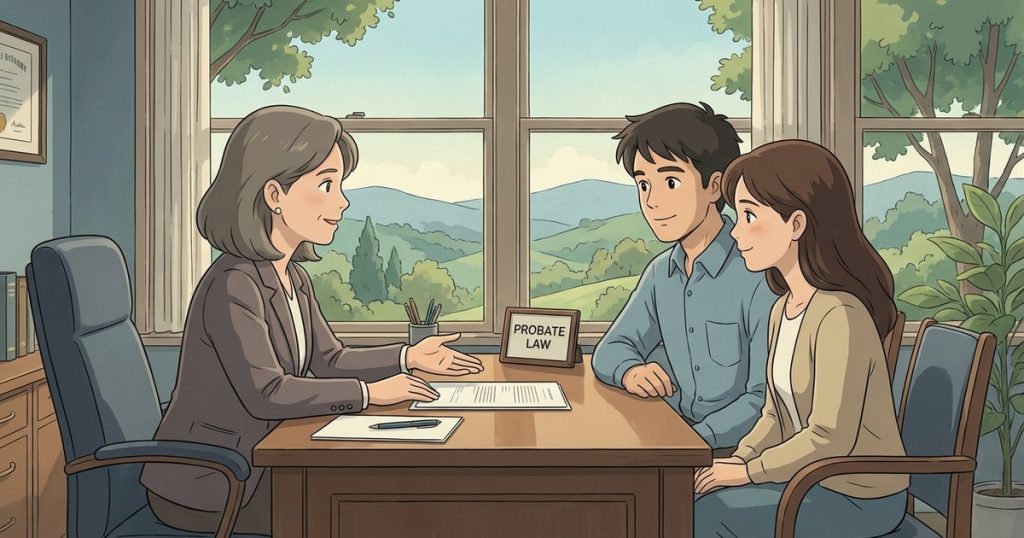
Probate Q&A Series

Page 377 of 600

Probate Q&A Series ·

What steps are involved in removing an estate administrator for mismanagement and forging documents?

What steps are involved in removing an estate administrator for mismanagement and forging documents? – North Carolina Short Answer In North Carolina, removal of an estate administrator usually happens through an estate proceeding filed with the Clerk of Superior Court in the county where the estate is open. The process typically involves filing a verified…

Read more
Probate Q&A Series ·

How can I obtain information about a deceased person’s pension or retirement account during probate if I represent the estate? NC

How can I obtain information about a deceased person’s pension or retirement account during probate if I represent the estate? – North Carolina Short Answer In North Carolina, the cleanest way to obtain pension or retirement account information during probate is to show the plan administrator or employer that the estate has an authorized personal…

Read more
Probate Q&A Series ·

If a partition case is filed on a single‑home property, what does the court typically do, and how are proceeds or shares handled among co‑owners? NC

If a partition case is filed on a single‑home property, what does the court typically do, and how are proceeds or shares handled among co‑owners? – North Carolina Short Answer In North Carolina, a partition case is a special proceeding where the court (through the Clerk of Superior Court) decides how to divide co-owned real…

Read more
Probate Q&A Series ·

How do I ensure all post‑death account activity is captured so no future residuals are left after closing the accounts?

How do I ensure all post‑death account activity is captured so no future residuals are left after closing the accounts? – North Carolina Short Answer In North Carolina estate administration, the best way to capture post-death “residuals” (like late dividends, interest, or trade adjustments) is to keep at least one estate cash account open long…

Read more
Probate Q&A Series ·

What steps are needed to close an estate when assets include real property and delayed title paperwork? NC

What steps are needed to close an estate when assets include real property and delayed title paperwork? – North Carolina Short Answer In North Carolina, closing an estate with real property and “messy” title paperwork usually requires (1) confirming what the decedent actually owned, (2) fixing title issues that prevent transfer or sale, and (3)…

Read more
Probate Q&A Series ·

If I was raised by a non-biological parent, do I still have inheritance rights from my biological parent who passed away? NC

If I was raised by a non-biological parent, do I still have inheritance rights from my biological parent who passed away? – North Carolina Short Answer Possibly. In North Carolina, being raised by a non-biological parent does not automatically erase inheritance rights from a biological parent. The key issue is whether the person qualifies as…

Read more
Probate Q&A Series ·

Who is authorized to speak for an estate when an insurance claim involves the deceased person? NC

Who is authorized to speak for an estate when an insurance claim involves the deceased person? – North Carolina Short Answer In North Carolina, the person authorized to speak for a deceased person’s probate estate on an insurance claim is usually the court-appointed personal representative (also called the executor or administrator). The Clerk of Superior…

Read more
Probate Q&A Series ·

If all beneficiaries agree to a valuation approach that’s different from what the trust language seems to require, can the trustee rely on that agreement without risking personal liability? NC

If all beneficiaries agree to a valuation approach that’s different from what the trust language seems to require, can the trustee rely on that agreement without risking personal liability? – North Carolina Short Answer Sometimes, but not always. In North Carolina, a trustee generally should follow the trust’s valuation instructions, and a private agreement among…

Read more
Probate Q&A Series ·

Can I reimburse myself from the estate for expenses I paid out of pocket, such as funeral costs and personal loan payments? NC

Can I reimburse myself from the estate for expenses I paid out of pocket, such as funeral costs and personal loan payments? – North Carolina Short Answer Often, yes—North Carolina law generally allows a personal representative to repay themselves from estate funds for reasonable, necessary expenses that were properly advanced for the estate, as long…

Read more
Probate Q&A Series ·

If I suspect the will was hidden or destroyed, what evidence would I need and is that worth pursuing compared to proceeding without a will? NC

If I suspect the will was hidden or destroyed, what evidence would I need and is that worth pursuing compared to proceeding without a will? – North Carolina Short Answer In North Carolina, a missing original will often triggers a presumption that the person revoked it, so proving a “lost or destroyed will” usually requires…

Read more
Probate Q&A Series ·

Which options should I select on the renunciation form when I’m declining the role and nominating a replacement? – NC

Which options should I select on the renunciation form when I’m declining the role and nominating a replacement? – North Carolina Short Answer In North Carolina, the usual renunciation form for a named executor is the AOC-E-200. When declining the role and nominating someone else, the selections should match two actions: (1) renouncing (declining) the…

Read more
Probate Q&A Series ·

What records and bank statements are needed for the estate accounting, and when is that accounting due after the inventory is filed? – NC

What records and bank statements are needed for the estate accounting, and when is that accounting due after the inventory is filed? – North Carolina Short Answer In North Carolina, the estate accounting (an Annual Account or Final Account) must show every receipt, disbursement, and other transaction handled by the personal representative during the accounting…

Read more
Probate Q&A Series ·

Can I require an independent appraisal before agreeing to assign my ownership interest? – NC

Can I require an independent appraisal before agreeing to assign my ownership interest? – North Carolina Short Answer Yes—under North Carolina law, a co-owner generally can refuse to sign an assignment or deed transferring an inherited ownership interest unless the buyout terms make sense, and an independent fair market appraisal is a common, reasonable condition…

Read more

Questions about your situation?

Attorney Jared Pierce
Free case evaluation

Articles are a starting point, not legal advice. Talk through the specifics of your case with a North Carolina attorney — the case evaluation is always free.

Go to Top
Free Consultation

Talk with a North Carolina attorney

Tell us a bit about your situation and we'll respond within one business day.

This site is protected by reCAPTCHA and the Google Privacy Policy and Terms of Service apply.