Probate Q&A Series

Page 497 of 647

Probate Q&A Series ·

Can the personal representative proceed with distributing proceeds before the lawsuit is resolved?: North Carolina guidance

Can the personal representative proceed with distributing proceeds before the lawsuit is resolved? – North Carolina Short Answer Yes, but only with safeguards and court approval. In North Carolina, a personal representative should not make distributions that could leave the estate unable to pay a pending claim. The clerk of superior court can authorize distributions…

Read more
Probate Q&A Series ·

How can I petition the court to authorize the disinterment and transfer of my grandparent’s remains?

How can I petition the court to authorize the disinterment and transfer of my grandparent’s remains? – North Carolina Short Answer In North Carolina, you typically file an estate proceeding with the Clerk of Superior Court in the county where the grave is located, asking for an order authorizing disinterment and reinterment. Include signed consents…

Read more
Probate Q&A Series ·

What steps can I take if the year’s allowance petition has taken the first share of personal property and other assets aren’t disclosed?

What steps can I take if the year’s allowance petition has taken the first share of personal property and other assets aren’t disclosed? – North Carolina Short Answer In North Carolina, a spouse’s year’s allowance is paid from the decedent’s personal property, takes priority over most claims, and in a will-based estate is charged against…

Read more
Probate Q&A Series ·

How do I make sure all of my grandmother’s estate assets are identified and distributed correctly?: North Carolina probate

How do I make sure all of my grandmother’s estate assets are identified and distributed correctly? – North Carolina Short Answer In North Carolina, the Clerk of Superior Court oversees probate and can require the person holding the will to file it, and the personal representative to inventory assets and account for distributions. Beneficiaries may…

Read more
Probate Q&A Series ·

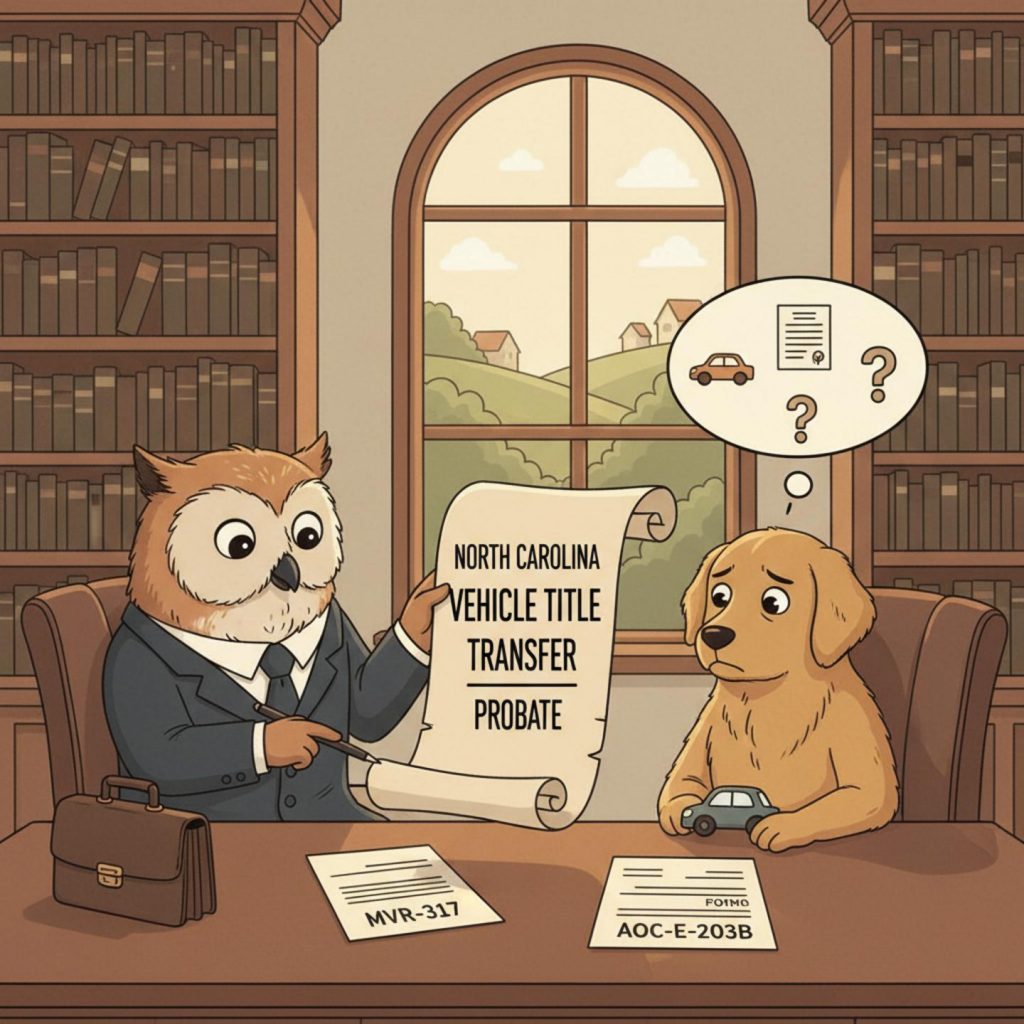
How can I transfer a vehicle titled in decedent’s name to a surviving parent without opening probate under the year’s allowance provision?

How can I transfer a vehicle titled in decedent’s name to a surviving parent without opening probate under the year’s allowance provision? – North Carolina Short Answer In North Carolina, the year’s allowance only covers a surviving spouse and certain children, not a parent. To transfer a decedent’s vehicle to a surviving parent without opening…

Read more
Probate Q&A Series ·

Can I serve as administrator or transfer assets if named executors refuse to handle an insolvent estate?: North Carolina Probate

Can I serve as administrator or transfer assets if named executors refuse to handle an insolvent estate? – North Carolina Short Answer Yes. In North Carolina, if the will’s named executors will not serve, the Clerk of Superior Court can appoint an administrator with the will annexed (administrator c.t.a.) after the will is probated and…

Read more
Probate Q&A Series ·

What documents and affidavits are needed to satisfy the DMV’s summary administration requirements?: North Carolina

What documents and affidavits are needed to satisfy the DMV’s summary administration requirements? – North Carolina Short Answer In North Carolina, the DMV will retitle a deceased owner’s vehicle when you present a certified, court-sealed Order of Summary Administration issued by the Clerk of Superior Court. To get that order, the surviving spouse files a…

Read more
Probate Q&A Series ·

What happens if bank accounts or vehicles weren’t retitled into the trust before they died?: North Carolina probate guide

What happens if bank accounts or vehicles weren’t retitled into the trust before they died? – North Carolina Short Answer In North Carolina, any bank accounts, vehicles, or other assets not titled to the trust at death generally remain in the decedent’s name and must be handled through probate unless they have a valid beneficiary…

Read more
Probate Q&A Series ·

What steps can I take to protect estate assets from being eaten up by administration expenses during creditor negotiations?: Clear options for North Carolina executors

What steps can I take to protect estate assets from being eaten up by administration expenses during creditor negotiations? – North Carolina Short Answer In North Carolina, an executor can protect limited estate assets by rejecting a disputed claim in writing to trigger the creditor’s three‑month deadline to sue, asking the Clerk of Superior Court…

Read more
Probate Q&A Series ·

Do I need to file an estate income tax return after distributing a retirement account to a beneficiary?: Clear rules for North Carolina estates

Do I need to file an estate income tax return after distributing a retirement account to a beneficiary? – North Carolina Short Answer In North Carolina, if a retirement account was paid directly to a named beneficiary, that payment generally is not the estate’s income and, by itself, does not require an estate income tax…

Read more
Probate Q&A Series ·

What steps do I need to take to get detailed transaction records from a third-party investment account for my estate?: North Carolina probate

What steps do I need to take to get detailed transaction records from a third-party investment account for my estate? – North Carolina Short Answer In North Carolina, a personal representative can demand estate-related records and, if a company resists, use a subpoena issued in the estate proceeding to compel production. If resistance continues, file…

Read more
Probate Q&A Series ·

How do I document distributions made to an heir’s partner versus estate expenses?: Practical guidance for North Carolina probate accountings

How do I document distributions made to an heir’s partner versus estate expenses? – North Carolina Short Answer In North Carolina, every estate payment must be proved with a voucher (like a receipt, bill marked paid, or cancelled check), and every beneficiary distribution should be backed by a signed receipt. Payments that benefit the estate…

Read more

Questions about your situation?

Attorney Jared Pierce
Free case evaluation

Articles are a starting point, not legal advice. Talk through the specifics of your case with a North Carolina attorney — the case evaluation is always free.

Go to Top
Free Consultation

Talk with a North Carolina attorney

Tell us a bit about your situation and we'll respond within one business day.

This site is protected by reCAPTCHA and the Google Privacy Policy and Terms of Service apply.