Probate Q&A Series

Page 382 of 600

Probate Q&A Series ·

What remedies are available if an executor is mismanaging or selling estate property?

What remedies are available if an executor is mismanaging or selling estate property? – North Carolina Short Answer In North Carolina, remedies for an executor’s mismanagement or improper sales usually start in the Clerk of Superior Court (the estate’s supervising court). Common remedies include forcing the executor to file an inventory or accounting, compelling production…

Read more
Probate Q&A Series ·

How does obtaining a certificate of trust help in enforcing trust administration with third parties? NC

How does obtaining a certificate of trust help in enforcing trust administration with third parties? – North Carolina Short Answer In North Carolina, a certificate of trust (also called a certification of trust) is a short document that proves the trust exists and identifies the currently acting trustee and the trustee’s powers—without handing over the…

Read more
Probate Q&A Series ·

What happens if an executor hasn’t been formally appointed by the probate court? NC

What happens if an executor hasn’t been formally appointed by the probate court? – North Carolina Short Answer In North Carolina, a person is not the estate’s legal “executor” (personal representative) until the Clerk of Superior Court appoints that person and issues court letters (usually “letters testamentary”). Until then, the person generally has no authority…

Read more
Probate Q&A Series ·

How are credit card debts handled in the probate process? NC

How are credit card debts handled in the probate process? – North Carolina Short Answer In North Carolina probate, credit card debt is usually treated as an unsecured claim against the estate and is paid (if at all) from probate assets after higher-priority expenses are covered. The personal representative should not pay credit card bills…

Read more
Probate Q&A Series ·

How do I find all bank accounts or financial accounts a deceased person owned if I don’t have access to their email or phone statements?

How do I find all bank accounts or financial accounts a deceased person owned if I don’t have access to their email or phone statements? – North Carolina Short Answer In North Carolina, the personal representative (administrator) usually finds accounts by combining (1) a paper-record search, (2) written “asset verification” requests to likely banks and…

Read more
Probate Q&A Series ·

How do I open my parent’s estate to collect money owed from my parent’s sibling’s estate, and what documents are required? NC

How do I open my parent’s estate to collect money owed from my parent’s sibling’s estate, and what documents are required? – North Carolina Short Answer In North Carolina, money owed to a deceased parent from another person’s estate is usually payable only to a court-appointed personal representative (or, in limited situations, through a small-estate…

Read more
Probate Q&A Series ·

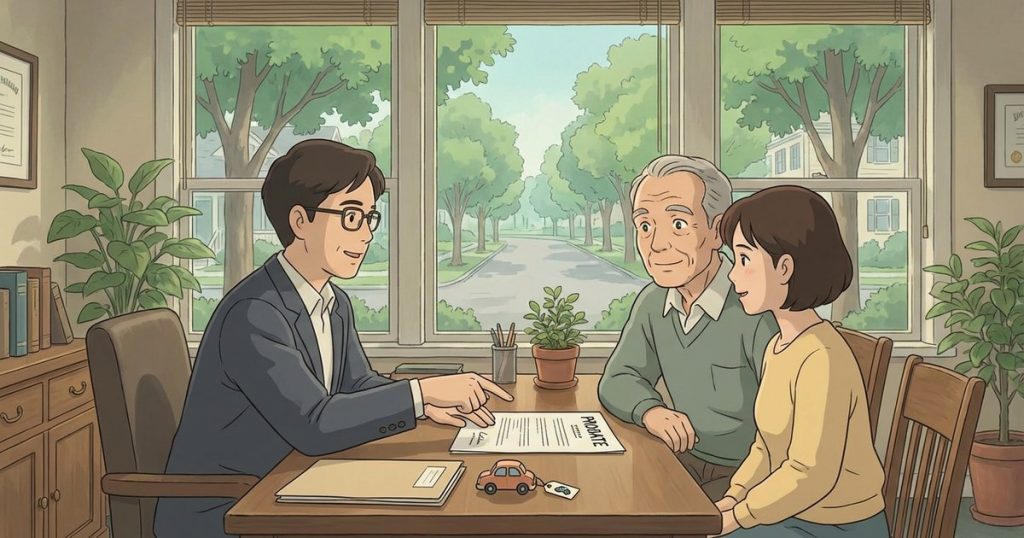
What documents does the agency need from a personal representative to issue or retitle a vehicle from an estate? NC

What documents does the agency need from a personal representative to issue or retitle a vehicle from an estate? – North Carolina Short Answer In North Carolina, the Division of Motor Vehicles (DMV) usually needs (1) the original North Carolina certificate of title signed by the personal representative (PR) as seller, (2) a certified copy…

Read more
Probate Q&A Series ·

What type of affidavit should be uploaded to explain and verify the personal property and vehicles, and who needs to sign it? NC

What type of affidavit should be uploaded to explain and verify the personal property and vehicles, and who needs to sign it? – North Carolina Short Answer In North Carolina, when the Clerk of Superior Court asks for an affidavit to clarify missing or unclear estate assets (like vehicles omitted from an inventory), the usual…

Read more

Questions about your situation?

Attorney Jared Pierce
Free case evaluation

Articles are a starting point, not legal advice. Talk through the specifics of your case with a North Carolina attorney — the case evaluation is always free.

Go to Top
Free Consultation

Talk with a North Carolina attorney

Tell us a bit about your situation and we'll respond within one business day.

This site is protected by reCAPTCHA and the Google Privacy Policy and Terms of Service apply.