Pierce Law Group | Estate Administration Lawyers North Carolina
North Carolina Probate and Estate Administration Lawyers
News and Articles

Page 731 of 957

Surplus Funds Q&A Series ·

What documents do I need to prove my family’s interest when the property was passed down informally?: North Carolina Surplus Funds

What documents do I need to prove my family’s interest when the property was passed down informally? – North Carolina Short Answer Under North Carolina law, surplus money from a foreclosure or tax sale goes to lienholders first and then to the person(s) legally entitled to it. If title passed informally through a family, the…

Read more

What happens to my authority if my parent passes away—does my power of attorney continue or end, and what role would I need instead?

What happens to my authority if my parent passes away—does my power of attorney continue or end, and what role would I need instead? – North Carolina Short Answer In North Carolina, a financial power of attorney ends when the principal (the parent) dies. A health care power of attorney also ends at death, but…

Read more

Who needs to be notified after the power of attorney is revoked so banks and healthcare providers honor the change?: North Carolina Estate Planning

Who needs to be notified after the power of attorney is revoked so banks and healthcare providers honor the change? – North Carolina Short Answer In North Carolina, the principal must revoke the power of attorney in writing and give actual notice to the former agent and any third parties that might rely on it.…

Read more

How can I revoke an existing power of attorney for my parent, and what should the revocation letter include?

How can I revoke an existing power of attorney for my parent, and what should the revocation letter include? – North Carolina Short Answer In North Carolina, only the parent (the principal) can revoke a financial power of attorney while competent. The parent should sign a clear, notarized revocation that identifies the original document and…

Read more

What happens if relatives emptied a deceased parent’s bank accounts or took cash from the home before any estate is opened?: North Carolina

What happens if relatives emptied a deceased parent’s bank accounts or took cash from the home before any estate is opened? – North Carolina Short Answer In North Carolina, only a court‑appointed personal representative has legal authority to collect and distribute a decedent’s money. If relatives withdrew funds or removed cash before anyone was appointed,…

Read more
Probate Q&A Series ·

How can we change attorneys during probate without causing delays or harming the estate?: North Carolina

How can we change attorneys during probate without causing delays or harming the estate? – North Carolina Short Answer In North Carolina, the personal representative (executor or administrator) decides which attorney represents the estate and may change counsel at any time. To avoid delays, file a written substitution of counsel (or consent withdrawal) in any…

Read more

Do I need a death certificate to handle vehicle titles and accounts, and what can I do if the funeral home keeps delaying it?: North Carolina

Do I need a death certificate to handle vehicle titles and accounts, and what can I do if the funeral home keeps delaying it? – North Carolina Short Answer Financial institutions and the DMV often ask for a certified death certificate, but North Carolina law does not always require it to start. The Clerk of…

Read more
Probate Q&A Series ·

How long does it usually take the clerk to open an estate after the application and follow-up materials are submitted?: North Carolina Probate

How long does it usually take the clerk to open an estate after the application and follow-up materials are submitted? – North Carolina Short Answer North Carolina law does not set a fixed number of days. If the filing is complete and no pre-issuance notice is required, many clerks issue Letters the same day at…

Read more
Real Estate Q&A Series ·

How do I verify the identity and authority of someone who says they are reaching out about my property?: North Carolina — Real Estate

How do I verify the identity and authority of someone who says they are reaching out about my property? – North Carolina Short Answer In North Carolina, ask for two things: proof of identity (a government-issued photo ID) and proof of legal authority tied to the property (for example, a recorded power of attorney, current…

Read more
Real Estate Q&A Series ·

Can I authorize a representative to discuss my property with a third party, and what permissions or forms are typically needed?: North Carolina – Real Estate

Can I authorize a representative to discuss my property with a third party, and what permissions or forms are typically needed? – North Carolina Short Answer Yes. In North Carolina, a simple written authorization usually lets a designated person talk about a property matter with a third party, but it does not allow signing or…

Read more
Real Estate Q&A Series ·

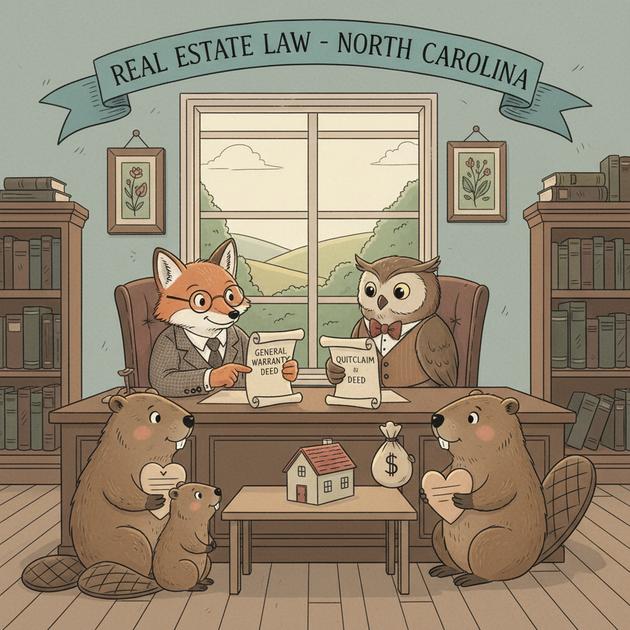
What is the difference between a general warranty deed and a quitclaim deed, and which should I use to transfer my property?

What is the difference between a general warranty deed and a quitclaim deed, and which should I use to transfer my property? – North Carolina Short Answer In North Carolina, a general warranty deed guarantees clear title against all claims, past and present, and obligates the seller to defend title. A quitclaim deed gives whatever…

Read more
Real Estate Q&A Series ·

Who pays taxes, insurance, and major repairs when someone has lifetime rights to a home?: North Carolina

Who pays taxes, insurance, and major repairs when someone has lifetime rights to a home? – North Carolina Short Answer Under North Carolina law, a life tenant (the person with lifetime rights) generally pays the ongoing carrying costs: annual property taxes, hazard insurance for their occupancy, routine maintenance, and interest on any existing mortgage. The…

Read more

Questions about your situation?

Attorney Jared Pierce
Free case evaluation

Articles are a starting point, not legal advice. Talk through the specifics of your case with a North Carolina attorney — the case evaluation is always free.

Go to Top
Free Consultation

Talk with a North Carolina attorney

Tell us a bit about your situation and we'll respond within one business day.

This site is protected by reCAPTCHA and the Google Privacy Policy and Terms of Service apply.