News and Articles

Page 712 of 866

Can I handle a partition hearing remotely if I live in a different state?: North Carolina guidance on remote appearances in partition cases

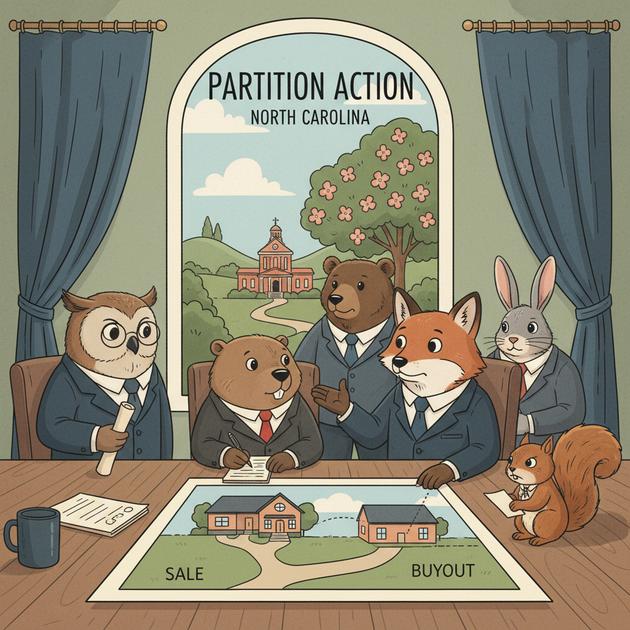
Can I handle a partition hearing remotely if I live in a different state? – North Carolina Short Answer Often, yes. In North Carolina, the presiding judicial official (usually the Clerk of Superior Court in a partition special proceeding) may allow remote participation by video under state law. However, it is discretionary. If the clerk…

Read more
Probate Q&A Series ·

Can I recover notary or closing costs from estate funds when selling property?: North Carolina

Can I recover notary or closing costs from estate funds when selling property? – North Carolina Short Answer Yes—if the expenses are reasonable, necessary to administer the estate, and the sale is handled under the personal representative’s authority, North Carolina law allows reimbursement from estate funds subject to the Clerk of Superior Court’s approval. If…

Read more

What steps can I take to locate and get share transfers from multiple generations of heirs?: A practical path under North Carolina law

What steps can I take to locate and get share transfers from multiple generations of heirs? – North Carolina Short Answer In North Carolina, start by identifying the full list of current co-owners (heirs) and their fractional shares, then seek voluntary deeds from each. If you cannot locate or obtain deeds from everyone, use court…

Read more

How can I establish and document my family’s ownership interests in an out-of-state ancestral property?

How can I establish and document my family’s ownership interests in an out-of-state ancestral property? – North Carolina Short Answer Under North Carolina law, our courts cannot change title to land in another state. You document your family’s rights by (1) identifying all heirs for each deceased owner, (2) obtaining certified estate and heirship records,…

Read more
Surplus Funds Q&A Series ·

How is my portion of the surplus calculated based on my ownership and inherited interest?: Answered for North Carolina

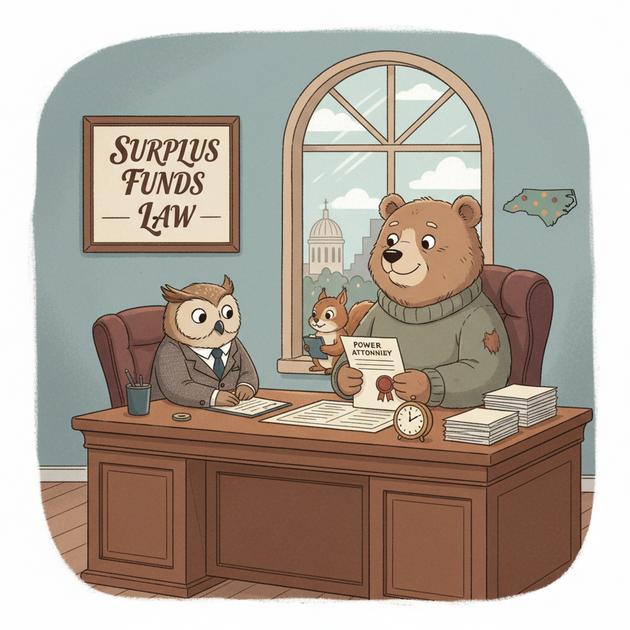
How is my portion of the surplus calculated based on my ownership and inherited interest? – North Carolina Short Answer In North Carolina, foreclosure “surplus funds” are distributed first to any remaining lienholders in order of priority, and then to the property’s owners of record as of the sale date. If you held a one-half…

Read more

How do I update or correct a property deed if my name isn’t listed properly?: Practical steps under North Carolina law

How do I update or correct a property deed if my name isn’t listed properly? – North Carolina Short Answer In North Carolina you don’t “edit” a recorded deed; you fix title by recording a new instrument or getting a court order. Minor clerical mistakes (like a misspelling) are usually corrected with a correction deed…

Read more
Probate Q&A Series ·

Can we sell a financed vehicle during probate to cover loan payments and avoid repossession?: North Carolina law

Can we sell a financed vehicle during probate to cover loan payments and avoid repossession? – North Carolina Short Answer Yes—once the Clerk of Superior Court appoints a personal representative, that person may sell the decedent’s vehicle without a court order. However, the lender’s lien remains until it is paid or released, so the estate…

Read more

How can I obtain the listing agreement and commission terms for my mother’s estate property?: North Carolina

How can I obtain the listing agreement and commission terms for my mother’s estate property? – North Carolina Short Answer In North Carolina, start by requesting the listing agreement and commission terms directly from the personal representatives (executors). You may also review the estate file at the Clerk of Superior Court for the inventory and…

Read more

Are executors breaching their fiduciary duties by making repair and financial decisions without beneficiary approval or notice?: North Carolina guidance

Are executors breaching their fiduciary duties by making repair and financial decisions without beneficiary approval or notice? – North Carolina Short Answer In North Carolina, executors must act loyally, prudently, and impartially for the benefit of all heirs and beneficiaries. They may make routine management decisions and hire professionals without beneficiary approval, but real estate…

Read more

Questions about your situation?

Attorney Jared Pierce
Free case evaluation

Articles are a starting point, not legal advice. Talk through the specifics of your case with a North Carolina attorney — the case evaluation is always free.

Go to Top
Free Consultation

Talk with a North Carolina attorney

Tell us a bit about your situation and we'll respond within one business day.

This site is protected by reCAPTCHA and the Google Privacy Policy and Terms of Service apply.