Guardianship Q&A Series

Page 17 of 24

Guardianship Q&A Series

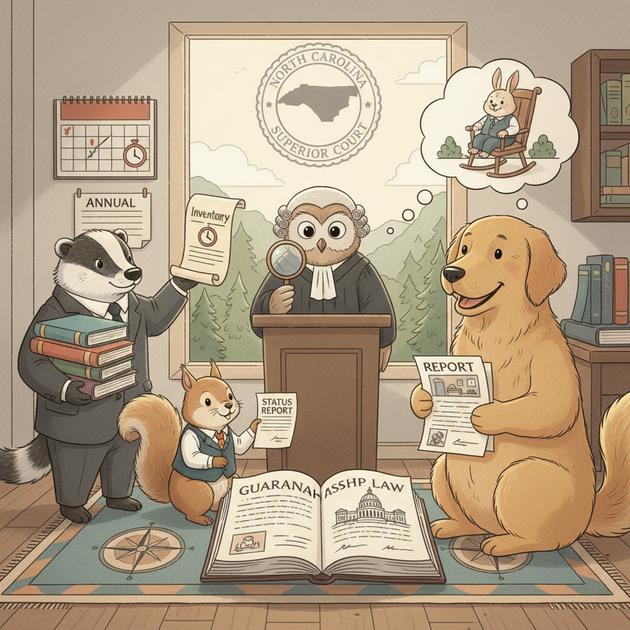
What ongoing duties, reports, and accountings will I have after I’m appointed?: North Carolina Guardianship

What ongoing duties, reports, and accountings will I have after I’m appointed? – North Carolina Short Answer In North Carolina, a guardian’s reporting duties depend on the type of guardianship. A guardian of the estate (and a general guardian) must file an inventory within three months of appointment and submit annual accountings with supporting documents.…

Read more
Guardianship Q&A Series

If I have stable housing and am managing well, will the court still approve a guardianship or consider ending it instead?: North Carolina

If I have stable housing and am managing well, will the court still approve a guardianship or consider ending it instead? – North Carolina Short Answer In North Carolina, the Clerk of Superior Court only approves adult guardianship if there is evidence the person is incompetent under North Carolina law and needs a guardian. If…

Read more
Guardianship Q&A Series

How can I reinstate guardianship for myself after my previous guardian resigned?: North Carolina

How can I reinstate guardianship for myself after my previous guardian resigned? – North Carolina Short Answer In North Carolina, if a guardian resigns, the Clerk of Superior Court can appoint a successor guardian in the same guardianship case without re-doing the incompetency adjudication, unless the court has already restored competency. The ward, a parent,…

Read more
Guardianship Q&A Series

What steps are required to rescind a power of attorney after the principal has started losing capacity?: North Carolina Guardianship

What steps are required to rescind a power of attorney after the principal has started losing capacity? – North Carolina Short Answer In North Carolina, only a principal with legal capacity can revoke a power of attorney by signing a written revocation and giving actual notice to the agent and third parties. If capacity is…

Read more
Guardianship Q&A Series

What is the difference between being a joint owner and being listed with rights of survivorship when managing money during incapacity?: North Carolina

What is the difference between being a joint owner and being listed with rights of survivorship when managing money during incapacity? – North Carolina Short Answer In North Carolina, a joint owner has present ownership and can access the account during the original owner’s lifetime; “rights of survivorship” decides who owns the funds at death.…

Read more
Guardianship Q&A Series

If a court later appoints a guardian, what happens to our access to the joint account and will past transactions be reviewed?

If a court later appoints a guardian, what happens to our access to the joint account and will past transactions be reviewed? – North Carolina Short Answer Once a North Carolina court appoints and qualifies a guardian of the estate or general guardian, the guardian controls the ward’s bank funds. Banks typically honor only the…

Read more
Guardianship Q&A Series

How can I become legal guardian of my family member with schizophrenia in an assisted living facility?: North Carolina

How can I become legal guardian of my family member with schizophrenia in an assisted living facility? – North Carolina Short Answer In North Carolina, a relative or other interested person may petition the Clerk of Superior Court to have an adult adjudicated incompetent and to be appointed as guardian. The court requires clear, cogent,…

Read more
Guardianship Q&A Series

Can I access my family member’s medical records and bank account information to manage their care and benefits?: North Carolina

Can I access my family member’s medical records and bank account information to manage their care and benefits? – North Carolina Short Answer Under North Carolina law, a family member generally cannot access another adult’s medical or bank records unless authorized by the person, a court order, or formal appointment as guardian. Before appointment, records…

Read more
Guardianship Q&A Series

What factors will the court consider when deciding whether to remove a professional guardian in favor of a family member?: North Carolina

What factors will the court consider when deciding whether to remove a professional guardian in favor of a family member? – North Carolina Short Answer In North Carolina, the Clerk of Superior Court may remove a guardian if replacing the current guardian would provide better care and maintenance for the ward or if statutory grounds…

Read more
Guardianship Q&A Series

Can I change my sibling’s care facility once I’m appointed guardian, and what process is required?: North Carolina Guardianship

Can I change my sibling’s care facility once I’m appointed guardian, and what process is required? – North Carolina Short Answer In North Carolina, a guardian of the person (or a general guardian) may choose and change an adult ward’s residence and care facility when it is in the ward’s best interests. Moving the ward…

Read more
Guardianship Q&A Series

Can I limit a guardianship to only healthcare decisions and avoid financial responsibilities?: North Carolina

Can I limit a guardianship to only healthcare decisions and avoid financial responsibilities? – North Carolina Short Answer Yes. North Carolina allows a limited guardianship of the person so that a guardian handles only healthcare and personal decisions, while the adult keeps financial rights or a separate guardian of the estate manages money. The Clerk…

Read more
Guardianship Q&A Series

What are the differences between guardianship of the person and guardianship of the estate?: North Carolina

What are the differences between guardianship of the person and guardianship of the estate? – North Carolina Short Answer In North Carolina, a guardian of the person makes personal, medical, residential, and day-to-day care decisions. A guardian of the estate manages money, property, income, and bills. A general guardian holds both sets of powers. The…

Read more
Guardianship Q&A Series

What criteria does the court use to decide if I’m competent to make my own medical and personal decisions?: North Carolina

What criteria does the court use to decide if I’m competent to make my own medical and personal decisions? – North Carolina Short Answer In North Carolina, the Clerk of Superior Court decides competency by asking whether clear, cogent, and convincing evidence shows you lack sufficient capacity to make or communicate important decisions about your…

Read more
Go to Top
Free Consultation

Talk with a North Carolina attorney

Tell us a bit about your situation and we'll respond within one business day.