
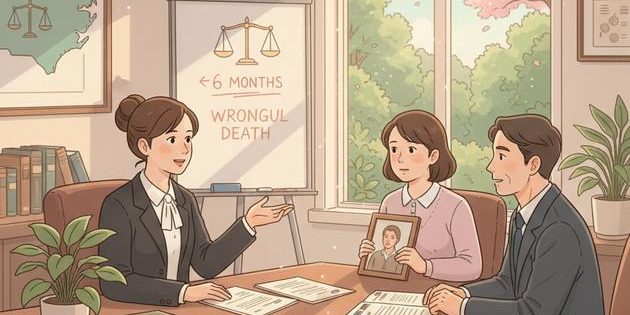
Who has legal priority to make decisions and sign paperwork when there is a surviving spouse but another relative handled things first? – North Carolina
Short Answer
In North Carolina, being the surviving spouse often puts a person first in line to be appointed by the Clerk of Superior Court as the estate’s personal representative (the person who has legal authority to sign estate paperwork). But for a wrongful death claim, the law is even stricter: the lawsuit must be brought by the personal representative of the decedent’s estate—not by a spouse or other family member acting informally.
If another relative “handled things first” without being appointed, that relative may have been able to help with practical tasks, but they generally cannot make binding legal decisions for the estate or sign releases, settlement documents, or court filings on the estate’s behalf.
Understanding the Problem
When a person dies in North Carolina and leaves a surviving spouse, a common question is: who can legally make decisions and sign paperwork if another relative started handling matters first? In a death caused by a bicycle-vehicle collision, the decision point usually centers on who has authority to act for the decedent’s estate, especially when paperwork was completed listing the decedent as not married and the surviving spouse needs the record corrected while also considering probate and a wrongful death case.
Apply the Law
North Carolina separates (1) practical family actions taken right after death from (2) legal authority to act for the estate. Legal authority comes from the Clerk of Superior Court through “letters” appointing a personal representative (an executor if there is a will naming one, or an administrator if there is no will or no qualified executor). For wrongful death, North Carolina law requires that the claim be brought by the personal representative, and any settlement typically must be handled through that fiduciary role.
Key Requirements
- Proper legal authority (appointment): A person must be appointed by the Clerk of Superior Court and issued letters (letters testamentary or letters of administration) to sign and act for the estate in a legally binding way.
- Right party for wrongful death: A wrongful death lawsuit must be filed in the name of the personal representative, even when the surviving spouse and children are the people who ultimately benefit.
- Correct status and notice in estate administration: If the decedent had a surviving spouse, that fact matters for who has priority to serve as personal representative and for certain estate rights and benefits; incorrect marital information can create delays and disputes that should be corrected promptly through the proper agency and court processes.
What the Statutes Say
- N.C. Gen. Stat. Chapter 28A (Estates and administration) – North Carolina’s framework for appointing a personal representative and administering an estate through the Clerk of Superior Court.
- N.C. Gen. Stat. § 28A-18-2 (Death by wrongful act of another) – Requires a wrongful death action to be brought by the personal representative or collector of the decedent.
- N.C. Gen. Stat. § 30-15 (Spouse’s allowance) – Describes a key surviving-spouse estate right and includes a one-year deadline that can be triggered after letters are issued.
Analysis
Apply the Rule to the Facts: The facts describe a surviving spouse with proof of marriage and children’s records, but another relative completed initial paperwork and marked the decedent as not married. Under North Carolina practice, that relative’s early involvement does not automatically create legal authority to act for the estate. To control probate decisions and to bring a wrongful death claim, the surviving spouse generally needs to be recognized and then seek appointment (or confirm who was appointed) through the Clerk of Superior Court so the correct person has legal signing authority.
Process & Timing
- Who files: Typically the surviving spouse (or a proposed personal representative). Where: The Clerk of Superior Court (Estates) in the county where the estate has proper venue under North Carolina law. What: An application to open the estate and be appointed personal representative (letters of administration if no will; letters testamentary if there is a will naming an executor). When: As soon as practical, because wrongful death and insurance issues often require letters before records, releases, and settlement documents can be signed.
- Confirm whether someone was already appointed: If the other relative only handled the death certificate, there may be no estate file yet. If an estate file exists and another person was appointed, the surviving spouse can discuss options with counsel for addressing priority and, if needed, filing an estate proceeding to challenge or replace an unqualified or improper appointment.
- Correct the death certificate through Vital Records: The amendment process usually runs through the North Carolina vital records system and may require supporting documents (like a marriage certificate). If the amendment is disputed or the original informant’s statement conflicts with proof of marriage, the agency may require additional documentation or an order before changing the record.
Exceptions & Pitfalls
- Appointment is not automatic: Being the surviving spouse does not, by itself, grant the power to sign for the estate; the Clerk of Superior Court must issue letters.
- Wrongful death is not a “family member claim”: Even when the spouse and children are the intended beneficiaries, the personal representative must bring the case and sign settlement paperwork on behalf of the claim.
- Paperwork signed by the wrong person can create delays: Early forms, authorizations, and releases signed by a relative who lacks letters can cause institutions and insurers to refuse to act until a personal representative is appointed.
- Incorrect marital status can ripple into benefits: A death certificate that incorrectly lists “not married” can slow survivor benefit applications and may also create confusion in the estate file, so it helps to fix the record and keep consistent documentation.
Conclusion
In North Carolina, the person with legal priority to sign binding estate and wrongful-death paperwork is the court-appointed personal representative, not whichever relative acted first after the death. A surviving spouse often has first priority to seek that appointment, but it must be made official through the Clerk of Superior Court. The next step is to open the estate (or confirm whether one is already open) and seek issuance of letters, because key spouse-related deadlines can run within one year after letters are issued.
Talk to a Wrongful Death Attorney
If there is a surviving spouse but another relative started handling paperwork and it is creating confusion about who can sign documents or pursue a wrongful death claim, our firm has experienced attorneys who can help explain the probate steps and the timelines that matter. Call us today at (919) 341-7055.
Disclaimer: This article provides general information about North Carolina law based on the single question stated above. It is not legal advice for your specific situation and does not create an attorney-client relationship. Laws, procedures, and local practice can change and may vary by county. If you have a deadline, act promptly and speak with a licensed North Carolina attorney.

