
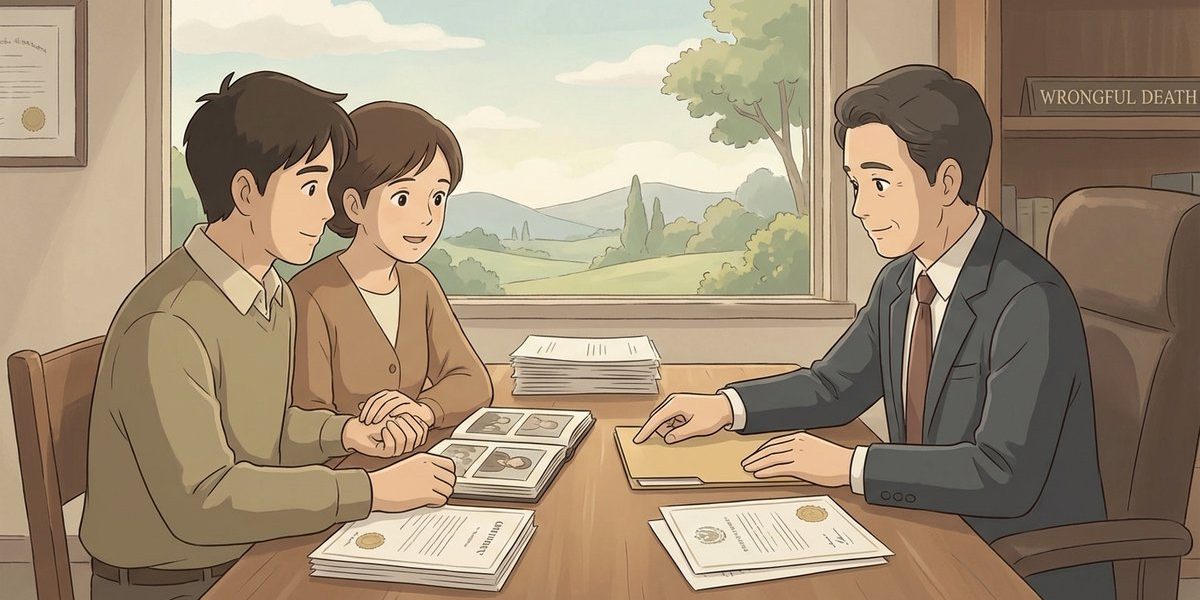
What information and documents should I gather before talking with the attorney about the murder case? – North Carolina
Short Answer
Before a follow-up call about a murder-related wrongful death matter in North Carolina, gather documents that (1) identify the decedent and family, (2) show who has legal authority to act for the estate, (3) summarize what happened and what law enforcement has done, and (4) document financial losses and other damages. The most helpful items are the death certificate, any estate paperwork (letters of administration or letters testamentary), and any law-enforcement or medical records already in hand. If some records are not available yet, a clear timeline and contact list still helps the attorney move faster.
Understanding the Problem
In North Carolina, what information and documents should be gathered before speaking with an attorney about a murder-related wrongful death matter, where a follow-up call is being arranged to discuss case details and answer the attorney’s questions? The decision point is what to collect now so the attorney can quickly confirm who can bring the claim, what happened, what proof exists, and what deadlines may apply.
Apply the Law
In North Carolina, a wrongful death claim is generally brought by the personal representative of the deceased person’s estate (not by every family member individually). In a murder-related situation, the criminal case and the civil wrongful death case are separate, but the civil case often depends on documents created during the investigation (law enforcement reports, medical examiner findings, and witness information). Practical preparation focuses on (1) authority to act for the estate, (2) proof of death and cause of death, (3) proof connecting the responsible person to the death, and (4) proof of damages and beneficiaries.
Key Requirements
- Estate authority (standing): Proof of who is legally allowed to speak for the estate and make decisions (typically letters of administration or letters testamentary, plus the will if there is one).
- Proof and investigation materials: Documents that show what happened, when and where it happened, and what evidence exists (law enforcement information, medical records, autopsy/medical examiner information, witness details, and any communications already received).
- Damages and beneficiary information: Records that help measure losses and identify the people who may receive proceeds (employment/income information, bills, funeral expenses, and family/household information).
What the Statutes Say
- N.C. Gen. Stat. § 143-299 (Limitation on claims against the State) – sets a two-year filing deadline for certain wrongful death claims brought against State agencies through the Industrial Commission.
- N.C. Gen. Stat. § 1-22 (Death before limitation expires) – addresses how certain limitation periods can be affected when a person dies and a personal representative brings a surviving claim.
Analysis
Apply the Rule to the Facts: Because this is an ongoing murder-related matter and a follow-up attorney call is being arranged, the most important preparation is to (1) confirm who has authority to act for the estate, (2) organize what is already known about the incident and investigation, and (3) gather documents that support damages. If letters have not been issued yet, collecting the death certificate, family contact information, and a clean timeline still allows the attorney to advise on next steps and what records to request.
Process & Timing
- Who gathers: The personal representative (or the person seeking to be appointed) and close family members who have records. Where: Records are typically obtained from the Clerk of Superior Court (estate documents), law enforcement agencies (reports), medical providers (records), and the Office of the Chief Medical Examiner or local medical examiner (autopsy-related records if available). What: Bring a single organized packet (paper or PDF) plus a written timeline and contact list. When: As soon as possible, especially if any government entity might be involved because some claims can have shorter deadlines.
- Attorney review: The attorney will usually confirm who the proper plaintiff is (estate representative), identify missing records, and decide what authorizations/releases are needed to request documents.
- Next deliverable: A prioritized request list (what to request first), a plan for coordinating with the criminal case timeline, and a checklist for damages and beneficiary documentation.
Exceptions & Pitfalls
- Not having estate authority yet: A common delay happens when no one has been appointed personal representative. Gathering the death certificate, will (if any), and family information helps the attorney advise on the fastest path to appointment.
- Relying only on the criminal case: Criminal prosecution and civil wrongful death are separate. Waiting for the criminal case to “finish” can create avoidable civil delays, especially for record requests and witness preservation.
- Missing or scattered records: Screenshots, social media posts, and text messages can matter, but they should be preserved in original form when possible. A single folder with dates, names, and sources prevents confusion.
- Confidentiality and access limits: Some investigation and autopsy-related materials may not be immediately available. Bringing whatever has already been received (letters, emails, case numbers) helps the attorney request what can be obtained lawfully.
Conclusion
For a murder-related wrongful death matter in North Carolina, the most useful preparation for an attorney call is a focused set of documents showing (1) who can act for the estate, (2) proof of death and investigation status, and (3) damages and beneficiary information. The key threshold issue is whether a personal representative has been appointed. The next step is to assemble the death certificate, any letters of administration/letters testamentary (or will), and a written timeline and send them to the attorney promptly, especially if any government involvement could trigger a shorter filing deadline.
Talk to a Wrongful Death Attorney
If you’re dealing with a murder-related wrongful death matter and need to prepare for a follow-up attorney call, our firm has experienced attorneys who can help organize the key records, identify missing documents, and explain options and timelines. Call us today at (919) 341-7055.
Disclaimer: This article provides general information about North Carolina law based on the single question stated above. It is not legal advice for your specific situation and does not create an attorney-client relationship. Laws, procedures, and local practice can change and may vary by county. If you have a deadline, act promptly and speak with a licensed North Carolina attorney.

