
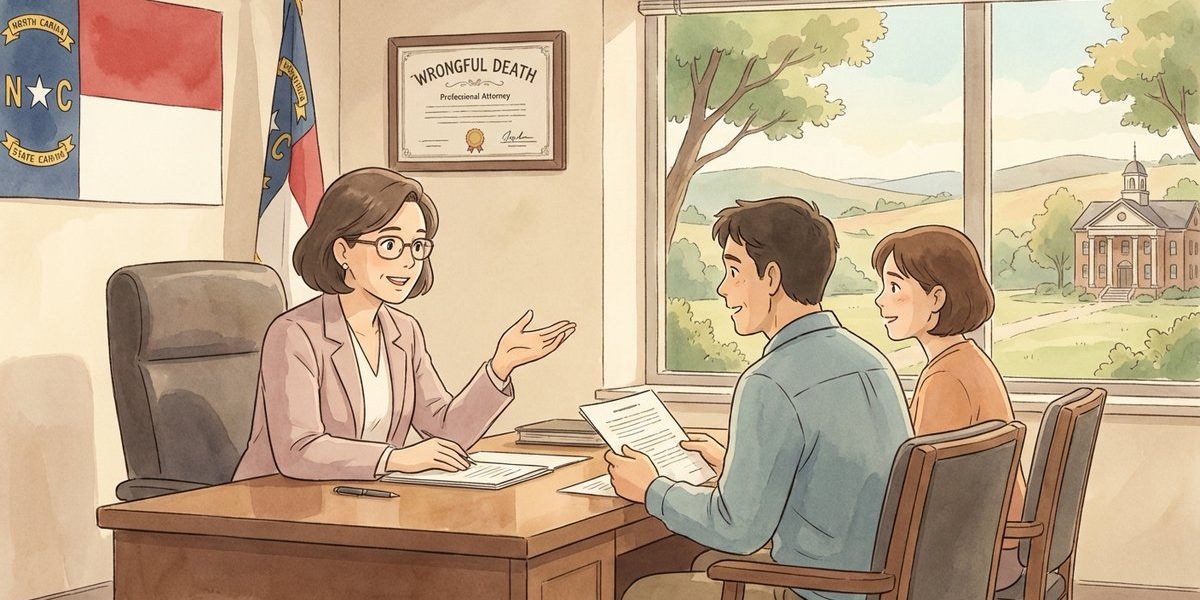
Can I sue the person who caused the death even if there is also a criminal case? – North Carolina
Short Answer
Yes. In North Carolina, a civil wrongful death and/or survival-type claim can usually move forward even when law enforcement is investigating and the State is prosecuting a related criminal case. The civil case is separate, uses different legal standards, and is controlled by the estate’s personal representative. In some situations, a civil judge may pause (“stay”) parts of the civil case to avoid interfering with the criminal case, but the existence of a criminal case does not automatically prevent a lawsuit.
Understanding the Problem
In North Carolina, when a homicide leads to a criminal case, a common question is whether the estate can still bring a civil lawsuit against the person alleged to have caused the death. The decision point is whether a civil wrongful death and/or survival-type lawsuit can be filed and pursued while prosecutors handle the criminal charges. The key actors are the estate’s personal representative (who controls the civil case) and the State (which controls the criminal case), and timing can matter because civil filing deadlines can run even while the criminal case is pending.
Apply the Law
North Carolina treats criminal prosecutions and civil lawsuits as two different tracks. The criminal case is brought by the State to punish a crime. The civil case is brought by the decedent’s estate (through the personal representative) to seek money damages allowed by North Carolina wrongful death law and related survival principles. A criminal restitution order also does not take away the right to sue; instead, restitution payments are generally credited against a later civil judgment for the same loss.
Key Requirements
- Proper plaintiff (standing): The civil case is typically filed by the decedent’s estate through the personal representative, not by individual family members in their own names.
- Independent civil proof: The civil case must be proven under civil standards and civil rules of evidence, even if a criminal case is pending.
- Timing and case management: The civil case must be filed on time, and the civil court may manage discovery and scheduling to avoid unfairness or interference with the criminal case.
What the Statutes Say
- N.C. Gen. Stat. § 15A-1340.37 (Effect of restitution order) – A criminal restitution order does not take away the right to bring a civil action; restitution paid is credited against a civil judgment for the same victim and loss.
- N.C. Gen. Stat. § 1-15.1 (Tolling for civil actions arising out of a criminal act in certain cases) – In certain situations tied to a conviction and restitution, limitation periods may be tolled, subject to conditions and a long-stop time limit.
- N.C. Gen. Stat. § 1-22 (Death before limitation expires) – Provides a limited extension rule in certain situations when a person entitled to sue dies before the limitations period expires and the claim survives.
Analysis
Apply the Rule to the Facts: Here, the facts describe a death caused by a homicide and an intent to file a survival action and/or wrongful death lawsuit against the individual responsible. Under North Carolina practice, the civil case can be filed even if prosecutors are pursuing charges, because the civil claim belongs to the estate (through the personal representative) and is separate from the State’s criminal case. The main practical issues are (1) filing the civil case on time and (2) handling discovery carefully so the civil case does not collide with the criminal process.
Process & Timing
- Who files: The personal representative of the estate. Where: North Carolina Superior Court in the county with proper venue (often where the events occurred or where a defendant resides). What: A civil complaint asserting wrongful death and any related survival-type claims the estate can bring. When: File before the applicable statute of limitations expires; a pending criminal case does not automatically stop the civil clock.
- Early case steps: The defendant is served with the lawsuit, and the parties exchange information through discovery. If the criminal case is pending, the defendant may invoke constitutional rights against self-incrimination, and the civil judge may limit or delay certain discovery to keep the process fair.
- Resolution: The civil case may resolve by settlement or by trial. If the criminal court orders restitution, North Carolina law generally requires crediting restitution payments against a civil judgment for the same loss.
Exceptions & Pitfalls
- Waiting for the criminal outcome: A family may want to wait for an arrest, indictment, or conviction, but delay can risk missing the civil filing deadline.
- Discovery conflicts: Civil discovery can be affected by an ongoing criminal case. A court may stay depositions or other discovery, or the defendant may refuse to answer certain questions. Planning around these issues is often necessary.
- Restitution confusion: Restitution is not the same as a civil wrongful death recovery. Restitution does not bar a civil case, and amounts paid are typically credited against a civil judgment for the same loss. See N.C. Gen. Stat. § 15A-1340.37.
- Wrong plaintiff: Filing in the name of a family member instead of the estate’s personal representative can create avoidable delays and dismissal risks.
Conclusion
Yes—North Carolina generally allows a civil lawsuit against the person who caused the death even when a criminal case is also pending, because the civil case is separate and is brought by the estate’s personal representative. A criminal restitution order does not eliminate the right to sue, and restitution payments are typically credited against a civil judgment. The most important next step is to have the estate’s personal representative file the civil complaint in the proper North Carolina court before the statute of limitations expires.
Talk to a Wrongful Death Attorney
If a homicide has led to both a criminal case and questions about a civil wrongful death or survival-type lawsuit, our firm has experienced attorneys who can help explain options, deadlines, and how the civil case may interact with the prosecution. Call us today at [919-341-7055].
Disclaimer: This article provides general information about North Carolina law based on the single question stated above. It is not legal advice for your specific situation and does not create an attorney-client relationship. Laws, procedures, and local practice can change and may vary by county. If you have a deadline, act promptly and speak with a licensed North Carolina attorney.

