
Can I still pursue an injury claim if someone else died in the same accident? – North Carolina
Short Answer
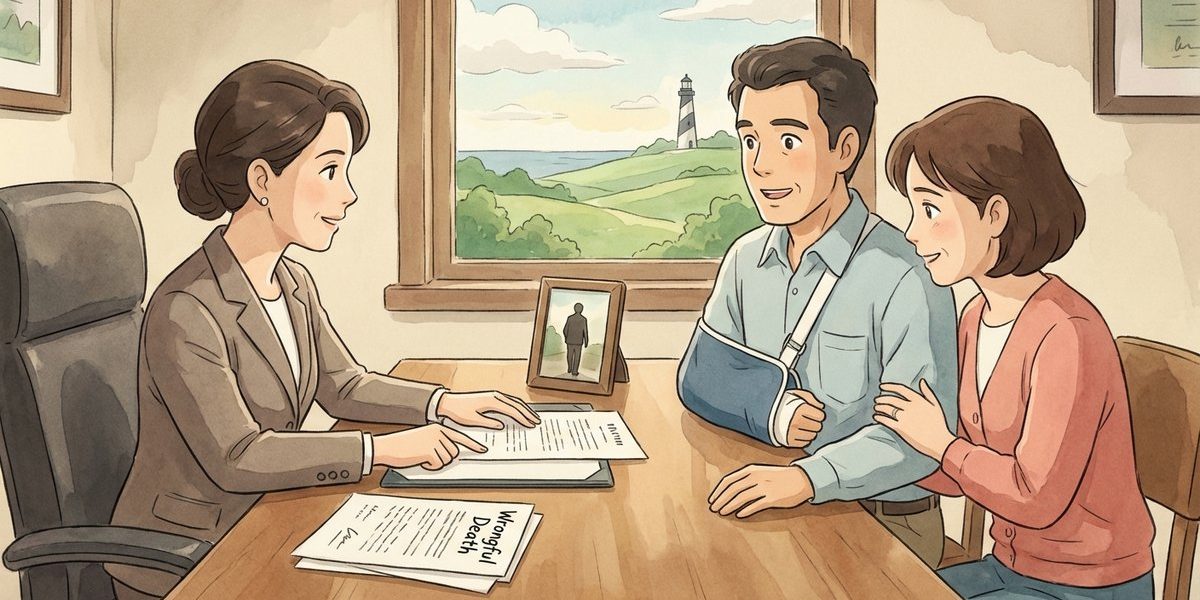
Yes. In North Carolina, a person injured in a crash can pursue a separate bodily-injury claim even if someone else died in the same accident. The fatality typically creates a wrongful death claim that belongs to the deceased person’s estate, while the injured person’s claim belongs to the injured person. The main practical issue is that multiple claims may compete for the same insurance limits, so timing, documentation, and proper notice to the right insurers matter.
Understanding the Problem
Under North Carolina wrongful death and injury law, can an injured passenger still bring a bodily-injury claim when another person involved in the same crash died, and the insurance adjuster says the fatality is already being handled? The decision point is whether the injured passenger’s claim is legally separate from the death claim, and what steps must be taken so the injury claim is recognized as its own claim file and handled under the correct coverage.
Apply the Law
North Carolina treats an injured person’s bodily-injury claim and a death-related claim as different claims with different “owners.” A wrongful death claim is generally pursued by the personal representative of the deceased person’s estate, while a living injured person pursues a personal injury claim for their own medical bills, pain, and other losses. When insurance is involved (including uninsured/underinsured motorist coverage), insurers often require clear written notice and a representation letter so they can open and evaluate a separate bodily-injury claim and coordinate it with any other claims from the same accident.
Key Requirements
- Separate legal claim: The injured person’s bodily-injury claim is distinct from any wrongful death claim arising from the same crash.
- Liability and causation: The injury claim still must show that another party was at fault and that the crash caused the injuries and treatment.
- Proper insurance pathway: The claim must be presented to the correct insurer(s) (liability, UM, and/or UIM) with the information needed to open and evaluate the bodily-injury claim, especially when there is already a fatal-accident claim file.
What the Statutes Say
- N.C. Gen. Stat. § 20-279.21 (Motor vehicle liability policies; UM/UIM coverage) – Requires uninsured motorist coverage and addresses how uninsured/underinsured motorist claims work, including notice and insurer participation rules.
- N.C. Gen. Stat. § 1-540.2 (Property damage settlement not a release of injury/death claims) – Clarifies that settling property damage from a crash does not automatically settle bodily-injury or death claims unless the written settlement says so.
Analysis
Apply the Rule to the Facts: The facts describe a passenger with neck and back pain who went to the emergency room the same day and then received follow-up chiropractic care. Those facts support that there is a personal injury claim separate from any death claim, because the passenger has independent injuries and treatment. The adjuster’s request for a representation letter to establish a separate bodily-injury claim is consistent with how insurers separate a living claimant’s injury file from a fatality file tied to an estate.
Process & Timing
- Who files: The injured passenger (or the passenger’s attorney). Where: With the relevant auto insurer(s) handling liability and/or uninsured/underinsured motorist coverage in North Carolina. What: A written representation letter and claim notice identifying the injured passenger, the date/location of the crash, the vehicles involved, the injuries, and the treatment providers. When: As soon as practical, especially when there is a known fatality claim competing for the same policy limits.
- Claim development: The insurer typically requests medical records/bills, proof of lost time (if any), and a narrative of how the crash happened. In a multi-vehicle crash with a death, the insurer may also coordinate liability investigation and may ask for recorded statements or additional documentation.
- Resolution step: The bodily-injury claim may resolve by settlement or, if needed, by filing a lawsuit in the appropriate North Carolina trial court. If the claim involves UM/UIM issues, the notice and procedure rules in the UM/UIM statute can affect how and when suit is filed and how the insurer participates.
Exceptions & Pitfalls
- Limited insurance funds: When a death and other injuries come from the same accident, multiple claims may compete for the same “per accident” policy limits. That can affect settlement timing and strategy even though the injury claim remains valid.
- Signing the wrong release: A release should be reviewed carefully to ensure it settles only the intended claim(s). North Carolina law recognizes that a property-damage settlement alone does not automatically waive injury/death claims unless the written settlement says it does.
- UM/UIM notice problems: Uninsured/underinsured motorist claims can require specific notice and coordination steps. Missing a required notice window or failing to identify the correct insurer can create delays and coverage arguments.
Conclusion
Yes—an injured person can still pursue a bodily-injury claim in North Carolina even when someone else died in the same accident, because the death claim generally belongs to the deceased person’s estate and the injury claim belongs to the injured person. The key practical issue is making sure the bodily-injury claim is opened and documented separately and routed through the correct liability and/or UM/UIM coverage. The next step is to send a written representation letter and claim notice to the insurer handling the uninsured/underinsured issues as soon as possible.
Talk to a Wrongful Death Attorney
If a crash involved a fatality and there is also a separate injury claim that needs to be opened and protected, our firm has experienced attorneys who can help explain the process, coordinate with the insurers, and keep the timelines on track. Call us today at (919) 341-7055.
Disclaimer: This article provides general information about North Carolina law based on the single question stated above. It is not legal advice for your specific situation and does not create an attorney-client relationship. Laws, procedures, and local practice can change and may vary by county. If you have a deadline, act promptly and speak with a licensed North Carolina attorney.

