
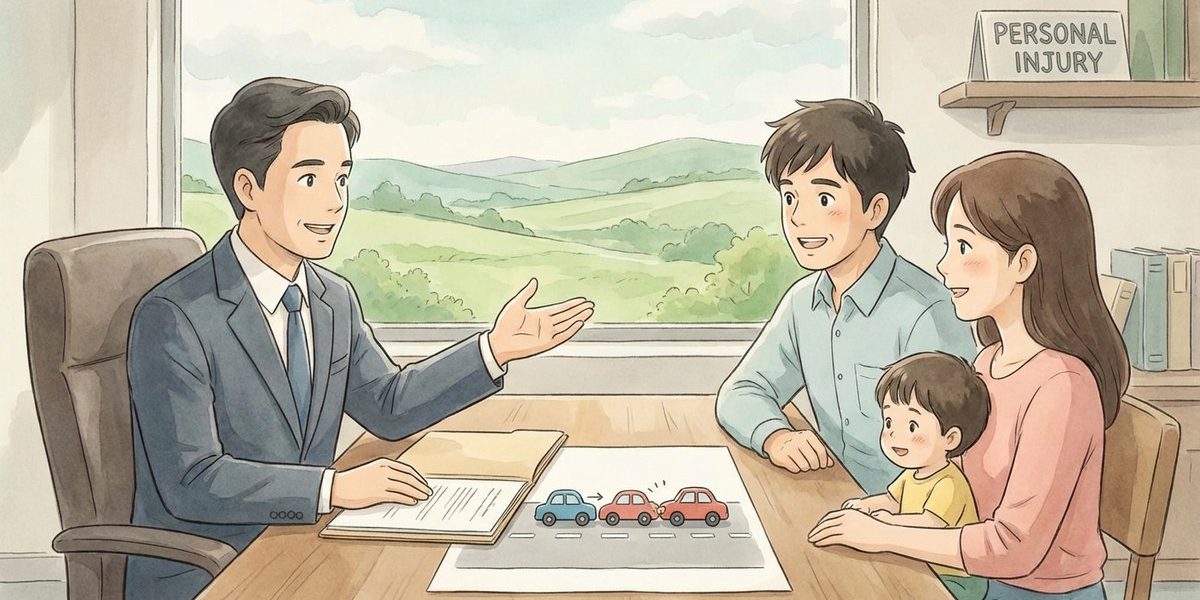
Can I still bring a claim if I was the middle car and got pushed into the vehicle in front of me? – North Carolina
Short Answer
Yes. In North Carolina, being the middle car in a chain-reaction crash does not automatically prevent an injury claim. The key question is whether the middle driver did anything negligent that contributed to the impact with the front vehicle, because North Carolina’s contributory negligence rule can bar recovery if the injured person’s own negligence helped cause the injuries. Many middle-car cases still succeed when the rear driver’s impact is the real cause of the front contact.
Understanding the Problem
In a North Carolina multi-car rear-end collision, the middle driver may get hit from behind and then make contact with the vehicle in front. The decision point is whether the middle driver can still pursue a claim for injuries and related losses even though the middle vehicle also struck another car. The answer usually turns on whether the middle driver had a reasonable following distance and control before the rear impact, and whether the rear impact is what caused the middle vehicle to move forward.
Apply the Law
North Carolina injury claims from car crashes are typically based on negligence. In a chain-reaction crash, more than one driver can be at fault, but North Carolina’s contributory negligence rule makes fault analysis especially important: if the injured person’s own negligence contributed to the injury, recovery can be barred. In rear-end and chain-reaction cases, insurers often focus on whether the middle driver was following too closely or stopped unsafely before being struck.
Key Requirements
- Another driver was negligent: For example, the rear driver failed to keep a safe distance, failed to pay attention, or could not stop in time.
- That negligence caused the injuries: The rear impact (and resulting movement forward) must be a real cause of the physical injuries and related harm.
- No contributing negligence by the injured person: If the middle driver’s own driving (such as following too closely or making an unsafe maneuver) helped cause the injury-producing impact, contributory negligence may defeat the claim.
What the Statutes Say
- N.C. Gen. Stat. § 20-152 (Following too closely) – Requires drivers to leave a reasonable and prudent distance; it is commonly cited in rear-end and chain-reaction fault disputes.
- N.C. Gen. Stat. § 20-166.1 (Crash reporting and investigation) – Describes reporting and investigation requirements and the creation of a law-enforcement crash report.
Analysis
Apply the Rule to the Facts: Here, the reported scenario fits a common chain-reaction pattern: the middle driver has a police report, sought urgent care with imaging, and reports ongoing pain and stress/anxiety about driving. If the rear vehicle’s impact pushed the middle vehicle forward, that supports causation against the rear driver. The main risk is an argument that the middle driver was already too close to the front vehicle or otherwise contributed to the front impact; the police report, vehicle damage patterns, and timing of impacts often matter.
Process & Timing
- Who files: The injured person (or an attorney on their behalf). Where: Usually with the at-fault driver’s auto insurer first; a lawsuit, if needed, is filed in the appropriate North Carolina state court for the county connected to the crash or the defendant. What: A claim supported by the crash report, photos, witness information, and medical records/bills. When: As soon as practical after medical care begins, and well before any legal deadline that may apply.
- Investigation and documentation: The claim is strengthened by showing a clear timeline (rear impact first, then forward movement), consistent medical treatment, and proof of damages such as medical expenses and time missed from work. Insurers often request recorded statements; careful preparation helps avoid accidental admissions about following distance or braking.
- Resolution: Many cases resolve through settlement once treatment stabilizes and the medical picture is clearer; if liability is disputed (common in middle-car cases), litigation may be required to sort out fault and causation.
Exceptions & Pitfalls
- Contributory negligence arguments: Insurers may claim the middle driver was already following too closely, stopped abruptly without reason, or could have avoided contact with the front vehicle. Small “percent fault” arguments matter in North Carolina because contributory negligence can bar recovery.
- Chain-reaction causation disputes: The front driver’s insurer may pursue the middle driver for property damage, while the middle driver pursues the rear driver for injuries. Clear evidence of the rear impact causing the forward movement is important.
- Medical billing and reimbursement issues: With mixed coverage (including government-related benefits and separate work insurance), there may be reimbursement or lien claims that affect net recovery. Coordinating billing and documenting what was paid by which plan helps avoid surprises. For more on this topic, see government-related health benefits reimbursement and paying health insurance back from a settlement.
- Recorded statements and early settlement pressure: Frequent insurer calls can lead to inconsistent descriptions of spacing, speed, and the order of impacts. Early offers may come before the need for follow-up care (physical therapy, chiropractic care, or counseling) is clear.
Conclusion
Yes—under North Carolina law, the middle car can often bring an injury claim even if the middle vehicle was pushed into the car in front. The outcome usually depends on proving the rear driver’s negligence caused the forward impact and showing the middle driver did not contribute through unsafe following distance or other negligent driving. The practical next step is to gather the crash report, photos, and medical records and start the claim promptly while keeping an eye on the statute of limitations for filing suit.
Talk to a Wrongful Death Attorney
If a chain-reaction crash left injuries, insurer pressure, and questions about fault because the middle vehicle was pushed into the car ahead, our firm has experienced attorneys who can help explain options, protect the claim process, and track important timelines. Call us today at (919) 341-7055.
Disclaimer: This article provides general information about North Carolina law based on the single question stated above. It is not legal advice for your specific situation and does not create an attorney-client relationship. Laws, procedures, and local practice can change and may vary by county. If you have a deadline, act promptly and speak with a licensed North Carolina attorney.

