
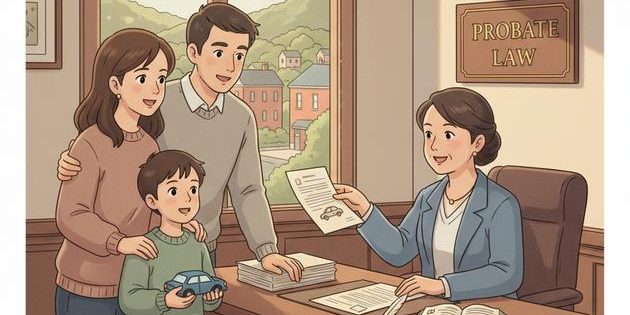
Who has authority to decide whether the estate’s vehicles can be sold, and what steps do I need to take to sell one? – North Carolina
Short Answer
In North Carolina, the court-appointed personal representative (executor or administrator) normally has authority to decide whether estate vehicles are sold, as long as the sale benefits the estate and does not conflict with the will or North Carolina law. The personal representative must confirm that title is in the estate, keep the vehicles insured, get a fair price, and then follow Division of Motor Vehicles (DMV) and probate reporting steps to transfer title and account for the sale.
Understanding the Problem
The narrow issue here is: in a North Carolina probate estate, who makes the decision about selling vehicles that belonged to the person who died, and what legal and practical steps are required to complete a sale. This comes up when an estate owns one or more cars or trucks, the probate file is open with the clerk of superior court, and a potential buyer, heir, or family member wants to know whether and how a vehicle can be sold while probate is still pending.
Apply the Law
Under North Carolina probate law, a court-appointed personal representative manages and, when appropriate, sells estate personal property such as vehicles. That person must protect the estate, follow any instructions in the will, comply with DMV rules on title transfer, and later report the sale to the clerk of superior court. Sales may be private or public, but they must be handled in a way that is fair and properly documented.
Key Requirements
- Proper authority: A qualified personal representative (executor named in a will or administrator in an intestate estate) must be appointed by the clerk of superior court and act within the powers granted by North Carolina law and any will.
- Estate ownership and protection: The vehicle must actually be an estate asset, appropriately insured, and not subject to a specific transfer process or exemption that bypasses full administration.
- Fair, documented sale and reporting: The personal representative must obtain a reasonable sale price, complete DMV title and fee requirements, and include the sale and proceeds in the next accounting filed with the clerk, if an accounting is required in the estate.
What the Statutes Say
- N.C. Gen. Stat. § 1-339.15 (Public sale; contents of notice of sale) – Describes what must be included in a court-ordered public sale notice for real or personal property.
- N.C. Gen. Stat. § 1-339.18 (Public sale; posting notice of sale of personal property) – Requires posting notice of a public sale of personal property for ten days before the sale, when a judicial sale procedure is used.
- N.C. Gen. Stat. § 1-339.32 (Final report after public sale by personal representative) – Explains that a personal representative who conducts a judicial public sale must report the receipts and disbursements in the final report of sale and also account for the transaction in the estate accounting, when a judicial sale procedure is used.
Analysis
Apply the Rule to the Facts: In the described situation, a North Carolina estate is in probate and vehicles are part of the estate. The clerk of superior court has likely issued Letters Testamentary or Letters of Administration to a personal representative, who holds authority over estate personal property, including the vehicles. That personal representative would decide whether the vehicles should be sold to pay debts, reduce storage or insurance costs, or because the will or heirs do not call for distribution of the vehicles in kind, and would then document and report the sale through DMV paperwork and, if required, an estate accounting.
Process & Timing
- Who files: The personal representative. Where: The clerk of superior court in the North Carolina county where the estate is administered, and the North Carolina Division of Motor Vehicles (or a local license plate agency) for title transfer. What: Maintain current Letters Testamentary or Letters of Administration, confirm title status, and prepare the endorsed certificate of title, certified Letters, certified death certificate, and DMV transfer forms. When: Typically after qualification and after confirming the vehicle is not needed for a surviving spouse’s statutory rights or a specific bequest.
- Once a buyer is identified and a fair price is agreed, the personal representative signs the title as seller, gathers the certified Letters and death certificate, and the buyer submits the package, proof of insurance, and required fees to DMV or a license plate agency; this is usually completed within days to a few weeks, depending on scheduling and document availability.
- In the next annual or final account filed with the clerk of superior court, if an account is required, the personal representative reports the sale proceeds as an estate receipt, shows how the funds were used to pay valid claims or distributed to heirs or devisees, and retains documentation such as the bill of sale and proof of deposit into the estate account.
Exceptions & Pitfalls
- Some vehicles may pass outside formal administration by affidavit or survivorship title, which can remove them from the personal representative’s control and change who has authority to sell.
- Ignoring insurance coverage, leaving plates active after a sale, or transferring a vehicle without clearing liens can create liability or DMV issues for the estate and personal representative.
- Failing to follow required notice or posting rules when a judicial sale procedure is used, or not reporting the sale properly in the accounting when required, can lead to questions from the clerk, delays, or the need to correct filings.
Conclusion
In a North Carolina probate estate, the court-appointed personal representative, acting under the Letters issued by the clerk of superior court and any will provisions, decides if estate vehicles are sold and carries out the sale. That person must confirm estate ownership, protect the vehicles with insurance, obtain a fair price, complete DMV title-transfer steps, and report the transaction in an estate accounting if one is required. The essential next step is for the personal representative to gather title and estate documents and confirm, before selling, that no statutory or will-based rights block the transfer.
Talk to a Probate Attorney
If an estate in North Carolina includes vehicles and there are questions about who can sell them or how to handle title transfers and reporting, our firm has experienced probate attorneys who can help explain the options and timing. Call us today at 919-341-7055.
Disclaimer: This article provides general information about North Carolina law based on the single question stated above. It is not legal advice for your specific situation and does not create an attorney-client relationship. Laws, procedures, and local practice can change and may vary by county. If you have a deadline, act promptly and speak with a licensed North Carolina attorney.

