
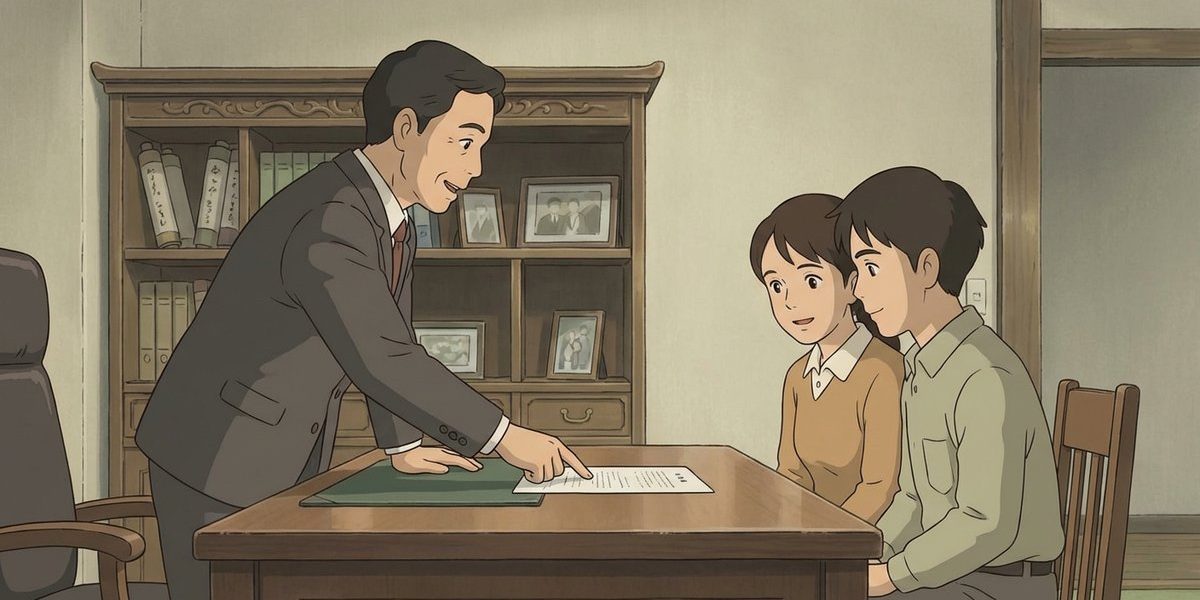
What steps are required to transfer ownership of my parent’s personal property to me and my sibling? – North Carolina
Short Answer
In North Carolina, most personal property owned only in a parent’s name transfers through the estate, which usually means opening an estate with the Clerk of Superior Court and having a personal representative collect and distribute the property under the will (or, if the will does not control, under intestacy rules). Some items can transfer without full estate administration, such as certain small-estate transfers and certain titled property (like vehicles) using DMV procedures when the clerk approves. The right process depends on whether a personal representative must qualify and whether the property is titled, jointly owned, or subject to an allowance procedure.
Understanding the Problem
In North Carolina probate, the decision point is whether a parent’s personal property can be transferred to children directly, or whether a personal representative must be appointed through the Clerk of Superior Court to gather, document, and distribute the property. The question focuses on what steps are required to move ownership of belongings from the deceased parent to two children when a will exists but may be outdated. The key trigger is the parent’s death and whether the property is the type that requires estate administration to change ownership.
Apply the Law
Under North Carolina law, a will generally must be probated to be effective to pass title to real and personal property, and the Clerk of Superior Court oversees probate and estate administration. When a personal representative qualifies (an executor under a will or an administrator if there is no effective will), that person has authority to collect estate property, pay valid expenses and claims as required, and then distribute what remains to the people entitled to receive it. North Carolina also recognizes limited procedures that may transfer certain assets without full administration, including clerk-approved allowances and certain DMV title transfers when the estate does not justify full administration and no one has demanded it.
Key Requirements
- Identify what property is actually part of the estate: Some assets pass outside probate (for example, jointly owned property with survivorship, or assets with a beneficiary designation), while items owned only in the parent’s name usually require an estate process to transfer.
- Establish who has legal authority to transfer the property: Usually this is the personal representative appointed by the Clerk of Superior Court (executor/administrator). For limited categories (like certain vehicle transfers), the clerk may approve an affidavit-based process when no personal representative is expected to qualify.
- Follow the correct transfer method for the type of property: Titled property (like motor vehicles) often requires specific title paperwork; ordinary household items are typically handled through inventorying and distribution (and sometimes a bill of sale if sold) as part of administration.
What the Statutes Say
- N.C. Gen. Stat. § 31-39 (Probate necessary to pass title) – A will generally must be probated to be effective to pass title to real and personal property, and timing can matter for protection against certain third parties.
- N.C. Gen. Stat. § 30-19 (Property awarded to surviving spouse and children) – The clerk determines certain personal property awards to a surviving spouse and children in the proper county.
- N.C. Gen. Stat. § 29-14 (Share of surviving spouse) – If there is no effective will (or it does not dispose of everything), the surviving spouse’s share of personal property depends on family structure and value thresholds.
Analysis
Apply the Rule to the Facts: A parent has died, a will exists but may be outdated, and two children want ownership of the parent’s belongings. In this situation, the first practical step is to separate (1) items that pass outside probate (for example, jointly owned items with survivorship) from (2) items owned only in the parent’s name, which usually require probate authority to transfer. Because a will exists, offering it for probate is often the cleanest way to confirm who is entitled to receive the personal property and to give someone legal authority to distribute it.
Process & Timing
- Who files: The nominated executor in the will (or an interested person if the nominated executor cannot serve). Where: The Clerk of Superior Court in the county with proper venue in North Carolina. What: An application to probate the will and (if needed) to qualify a personal representative for estate administration. When: As soon as practical after death, especially if assets must be accessed, bills must be paid, or property must be sold or retitled.
- Collect and document personal property: The personal representative typically identifies estate assets, safeguards them, and completes required estate paperwork (commonly including an inventory). For ordinary household furnishings and personal effects, the process often involves documenting what exists, deciding whether items will be distributed in-kind or sold, and using appropriate paperwork (such as a bill of sale if items are sold) to create a clear record.
- Transfer/distribute to the children: After required estate steps are satisfied, the personal representative distributes the remaining personal property according to the will (or, if the will does not control a particular asset, according to intestacy rules). For titled assets like vehicles, the transfer may require specific DMV forms; in limited situations, the clerk may approve an affidavit-based vehicle transfer process when the estate does not justify full administration and no personal representative is expected to qualify.
Exceptions & Pitfalls
- Some property may not be “estate property”: Joint ownership with survivorship and certain beneficiary-designated assets can transfer outside probate, so trying to “split everything” through the estate can create confusion and delays.
- Vehicle and other titled-property rules: Motor vehicles and similar titled assets often require title-specific paperwork. North Carolina has a clerk-involved affidavit process for certain vehicle transfers when no personal representative is expected to qualify and the estate does not justify full administration, but it has strict requirements (including signatures and clerk certification) and does not eliminate valid liens.
- Allowances can change what is available to distribute: North Carolina allows certain property awards/allowances for a surviving spouse and eligible children that the clerk determines. These procedures can affect what personal property remains for distribution under the will or intestacy rules.
- Outdated will issues: An older will may still control, but it can create practical problems (missing named executor, changed family circumstances, or assets not addressed). Sorting out what the will covers versus what passes by intestacy often determines the correct transfer steps.
- Informal “hand-offs” create later disputes: Distributing items before authority is established (or without documentation) can lead to conflict between heirs, problems with creditors, and difficulty proving who owns what later.
Conclusion
In North Carolina, transferring a parent’s personal property to two children usually requires probate authority through the Clerk of Superior Court, because the personal representative is the person who can collect and distribute estate property under the will (or intestacy rules if the will does not control). Some items may transfer outside probate, and certain titled assets like vehicles may qualify for a clerk-approved affidavit process in limited small-estate situations. The most important next step is to file the will for probate with the Clerk of Superior Court within two years of the date of death when that deadline may affect title protections.
Talk to a Probate Attorney
If a parent has died and family members are trying to transfer personal property under a will (or when the will may be outdated), our firm has experienced attorneys who can help sort out what must go through probate, what can transfer outside probate, and what deadlines apply. Call us today at (919) 341-7055.
Disclaimer: This article provides general information about North Carolina law based on the single question stated above. It is not legal advice for your specific situation and does not create an attorney-client relationship. Laws, procedures, and local practice can change and may vary by county. If you have a deadline, act promptly and speak with a licensed North Carolina attorney.

