
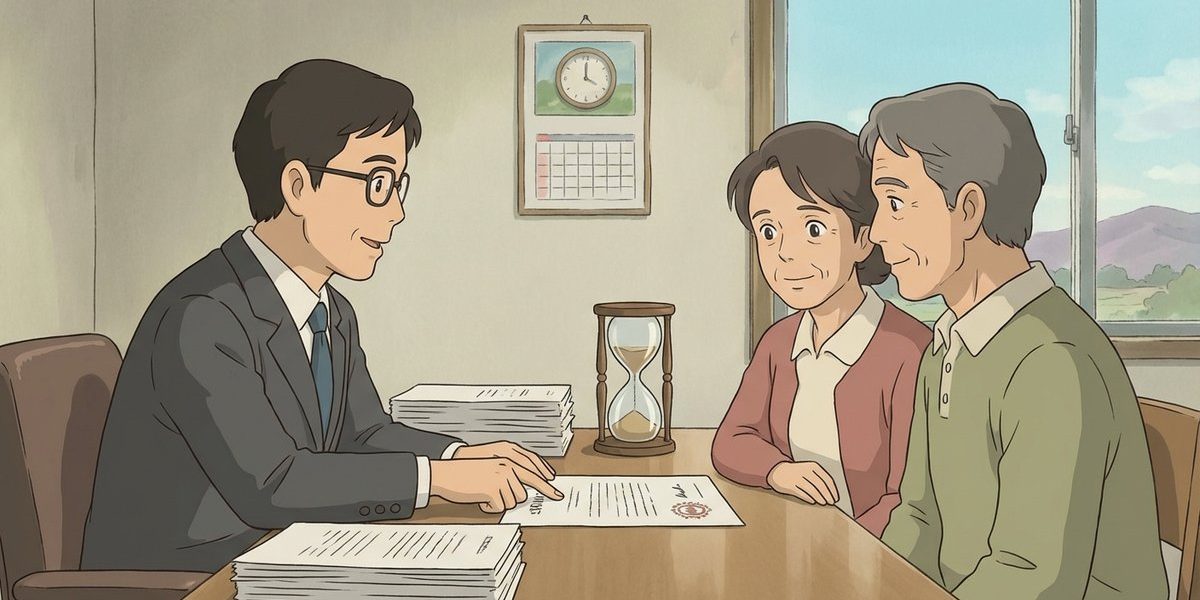
What happens to my probate timeline if the death certificate request is rejected and I have to resubmit? – North Carolina
Short Answer
In North Carolina, a rejected death certificate request usually delays the practical steps of probate (like dealing with banks, insurers, and real estate), but it does not automatically stop an estate from being opened with the Clerk of Superior Court. The probate timeline typically shifts because key third parties often require a certified death certificate before they will release information or assets. The best way to limit delay is to open the estate when ready and fix the death certificate request issue in parallel.
Understanding the Problem
In North Carolina probate, the key question is how a rejected request for a certified death certificate affects the timing of opening an estate and moving the administration forward through the Clerk of Superior Court. The issue usually comes up when a personal representative needs proof of death to handle estate tasks, but the vital records office rejects the request and requires a corrected application or additional documentation. The practical decision point is whether probate must wait for the certified death certificate, or whether the estate can move forward while the request is resubmitted.
Apply the Law
North Carolina probate is handled through the Clerk of Superior Court (Estates). To start an estate, the Clerk generally relies on the sworn information in the probate application to establish the fact of death, even though a certified death certificate is often required later for many non-court transactions. Separately, North Carolina law requires a death certificate to be filed with the local registrar shortly after death, and problems with the death record (including incomplete or unclear medical certification) can trigger a “return for correction,” which can slow down issuance of certified copies.
Key Requirements
- Opening the estate (qualification): A qualified person files the appropriate probate application with the Clerk of Superior Court to be appointed as executor (if there is a will) or administrator (if there is no will).
- Proof of death for third parties: Even if the Clerk can begin the estate file, banks, insurers, and other institutions commonly require a certified death certificate before they will act.
- Timing-sensitive title issues: If a will needs to be probated to protect title against certain third parties, delays can matter, especially as time passes after the date of death.
What the Statutes Say
- N.C. Gen. Stat. § 130A-115 (Death registration) – Requires a death certificate to be filed shortly after death and allows the record to be returned for correction when required information is not stated clearly.
- N.C. Gen. Stat. § 31-39 (Probate necessary to pass title; time limits) – Addresses when a will must be probated or offered for probate to be effective against certain lien creditors or purchasers, including a two-year outside limit in many situations.
Analysis
Apply the Rule to the Facts: The facts describe a rejected request for a certified death certificate that must be resubmitted. That rejection usually slows the “real world” probate timeline because certified copies are often needed to access accounts, process benefits, and complete transfers. However, the estate can often still be opened with the Clerk of Superior Court while the corrected request is pending, which can prevent the overall administration from stalling.
Process & Timing
- Who files: The nominated executor (if there is a will) or an eligible family member (if there is no will). Where: Estates division of the Clerk of Superior Court in the North Carolina county with proper venue (commonly where the decedent lived). What: The probate application to qualify and receive letters (the Clerk’s required forms vary by county). When: As soon as the person is ready to qualify; North Carolina law does not impose a universal “wait X days after death” rule to open an estate.
- Resubmit the death certificate request: Correct the reason for rejection (common issues include missing proof of eligibility, incomplete information, or a mismatch in the decedent’s name). If the underlying death record itself needs correction, the fix typically runs through the vital records correction process, which can take additional time.
- Use letters to keep moving: Once letters are issued, the personal representative can often begin estate administration tasks that do not require a certified death certificate, while preparing to provide certified copies for banks, insurers, and title companies when available.
Exceptions & Pitfalls
- Third-party “hard stop” requirements: Many institutions will not release information or funds without a certified death certificate, even if letters have been issued, so a rejection can still slow distributions and bill payment.
- Name and data mismatches: A minor spelling difference between the death certificate and account titles can trigger repeated rejections or refusals by banks/insurers. It often helps to review the death record carefully before ordering multiple certified copies.
- Real estate timing pressure: If real property must be sold or refinanced, title work frequently requires certified documentation. Delays in certified copies can push back closing timelines even when the estate is otherwise ready.
Conclusion
A rejected death certificate request usually delays the practical probate timeline in North Carolina because certified copies are commonly required to unlock accounts, benefits, and real estate transactions. Still, the estate can often be opened with the Clerk of Superior Court based on sworn probate filings while the corrected request is resubmitted. The most important next step is to file the probate application with the Clerk of Superior Court and resubmit the corrected death certificate request promptly so certified copies are available when third parties demand them.
Talk to a Probate Attorney
If you’re dealing with a rejected death certificate request that is slowing down an estate, our firm has experienced attorneys who can help you understand your options and timelines. Call us today at (919) 341-7055.
Disclaimer: This article provides general information about North Carolina law based on the single question stated above. It is not legal advice for your specific situation and does not create an attorney-client relationship. Laws, procedures, and local practice can change and may vary by county. If you have a deadline, act promptly and speak with a licensed North Carolina attorney.

