
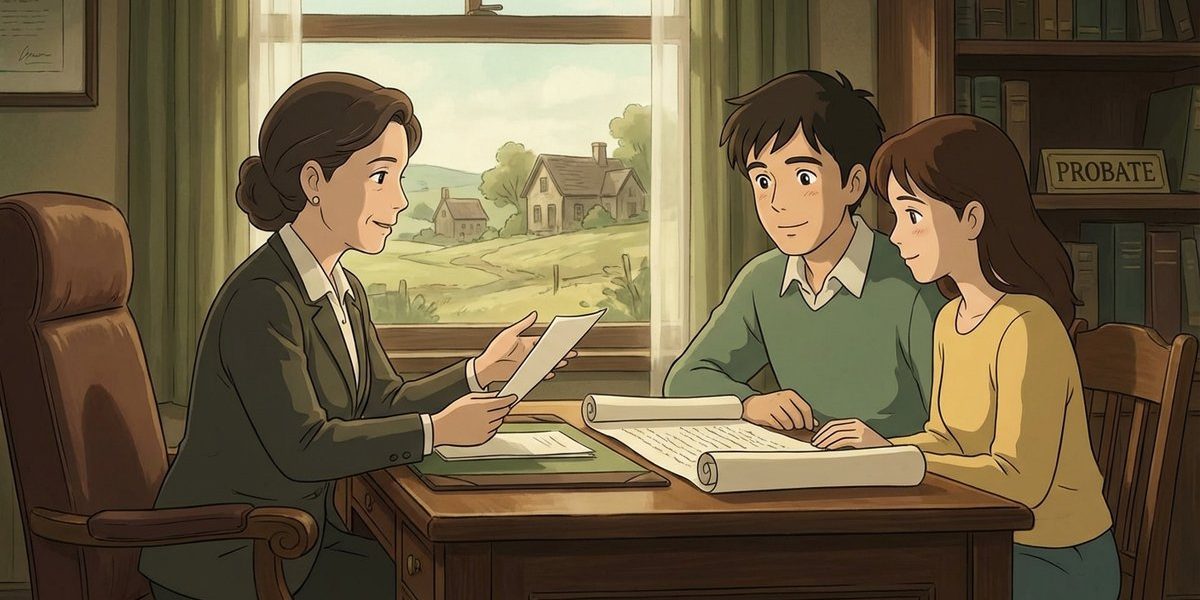
What happens to a quitclaim deed recorded by someone else if the estate was never probated and we complete probate now? – North Carolina
Short Answer
In North Carolina, recording a quitclaim deed does not create ownership by itself. If the person who signed that quitclaim deed did not actually own the property (or did not have authority to sign for the estate), the deed may be a “cloud” on title but it does not automatically defeat the heirs’ or devisees’ rights once the estate is properly opened and the correct chain of title is established. Completing probate now can provide the court authority and paperwork needed to confirm who had the right to convey the property and to pursue removal of an improper deed from the public records.
Understanding the Problem
In North Carolina probate, the key question is whether a later-recorded quitclaim deed was signed by someone who had the legal right to transfer the decedent’s real estate at the time it was recorded. When an estate was never opened, family members sometimes record deeds to “handle repairs” or “take over,” and then claim ownership based on what appears in the Register of Deeds. The decision point is whether the quitclaim deed came from a true owner (an heir/devisee with title) or from someone without title or authority, and how opening probate now changes what can be proven and fixed through the Clerk of Superior Court and land records.
Apply the Law
North Carolina generally treats a quitclaim deed as a document that transfers only whatever interest the signer actually has—no more. If the signer had no ownership interest, the deed typically transfers nothing, even if it was recorded. When a decedent’s real estate is involved, title issues often turn on (1) whether there was a will and whether it was timely probated, (2) who the heirs or devisees were, and (3) whether a personal representative had authority to act for the estate (including authority to sell real property in limited circumstances, such as to pay estate debts and claims).
Key Requirements
- Authority to convey: The person signing the quitclaim deed must have owned an interest in the property (for example, as an heir/devisee) or must have had legal authority to sign on behalf of the estate (for example, a properly appointed personal representative acting within allowed powers).
- Probate status and timing: If there was a will, North Carolina law can require probate for the will to be effective to pass title, and delays can affect how third parties and purchasers are treated.
- Clear chain of title: Even an invalid deed can create a practical problem because it sits in the public records and can block refinancing, sale, or insurance until the title is cleared.
What the Statutes Say
- N.C. Gen. Stat. § 31-39 (Probate necessary to pass title; rights of purchasers) – Explains that a will must be probated to be effective to pass title, and addresses how timing can affect lien creditors and purchasers who deal with intestate heirs.
Analysis
Apply the Rule to the Facts: The property was never probated, and a relative’s family later recorded a quitclaim deed and now claims ownership. If the quitclaim deed was signed by someone who did not own the property interest they purported to convey (for example, someone who was not an heir/devisee, or someone acting without being appointed personal representative), recording that deed usually does not make the signer’s family the owner—it more often creates a cloud on title. Completing probate now helps establish the correct heirs/devisees and whether anyone had authority to convey, which is often the foundation for clearing the title.
Process & Timing
- Who files: A qualified person (often an heir, devisee, or nominated executor). Where: The Clerk of Superior Court (Estates) in the county where the decedent lived at death (and sometimes additional filings where the land is located). What: An application to open the estate and, if there is a will, to probate the will and appoint a personal representative. When: As soon as possible once the title problem is discovered, because delays can make disputes harder and can affect third-party reliance issues.
- Establish the correct ownership path: The estate file is used to confirm whether the decedent died with a will or without one, identify heirs/devisees, and determine whether the personal representative needs to take possession or seek authority related to the real estate (for example, if a sale is needed to pay debts and claims).
- Clear the land records: Depending on what the quitclaim deed actually did and who signed it, the next step may be a corrective deed from the proper parties, a recorded estate-related instrument that supports the correct chain of title, or a court action to remove the cloud and confirm ownership.
Exceptions & Pitfalls
- Quitclaim deed signed by an actual heir/devisee: If the signer truly inherited an interest (even before an estate was opened), that person may have had something to convey. The dispute then becomes about what share was conveyed and whether other heirs/devisees still own the rest.
- Third-party purchaser issues: If the property was later sold to a purchaser for value who relied on the public record, the analysis can change. These cases often require careful title review and may not be solved by probate paperwork alone.
- Repairs and “permission” do not equal title: Paying for repairs, maintaining the property, or recording a deed “to fix it up” does not automatically create ownership. But those facts can still fuel disputes and should be addressed early with documentation.
- Clouded title can block transactions: Even when the quitclaim deed is legally weak, title companies and lenders often require a clean resolution (corrective instruments or a court order) before closing.
Conclusion
In North Carolina, a quitclaim deed recorded by someone else does not automatically control ownership if the signer had no title or authority to convey the decedent’s property. Completing probate now can establish the proper heirs or devisees (and, if needed, appoint a personal representative with authority to act), which is often the first step toward clearing the deed from the records. The practical next step is to open the estate with the Clerk of Superior Court and use the probate file and title review to determine what corrective recording or court action is needed.
Talk to a Probate Attorney
If a later-recorded quitclaim deed is being used to claim ownership of property that was never probated, our firm has experienced attorneys who can help clarify the chain of title, open the estate, and map out the steps to clear the land records. Call us today at (919) 341-7055.
Disclaimer: This article provides general information about North Carolina law based on the single question stated above. It is not legal advice for your specific situation and does not create an attorney-client relationship. Laws, procedures, and local practice can change and may vary by county. If you have a deadline, act promptly and speak with a licensed North Carolina attorney.

