
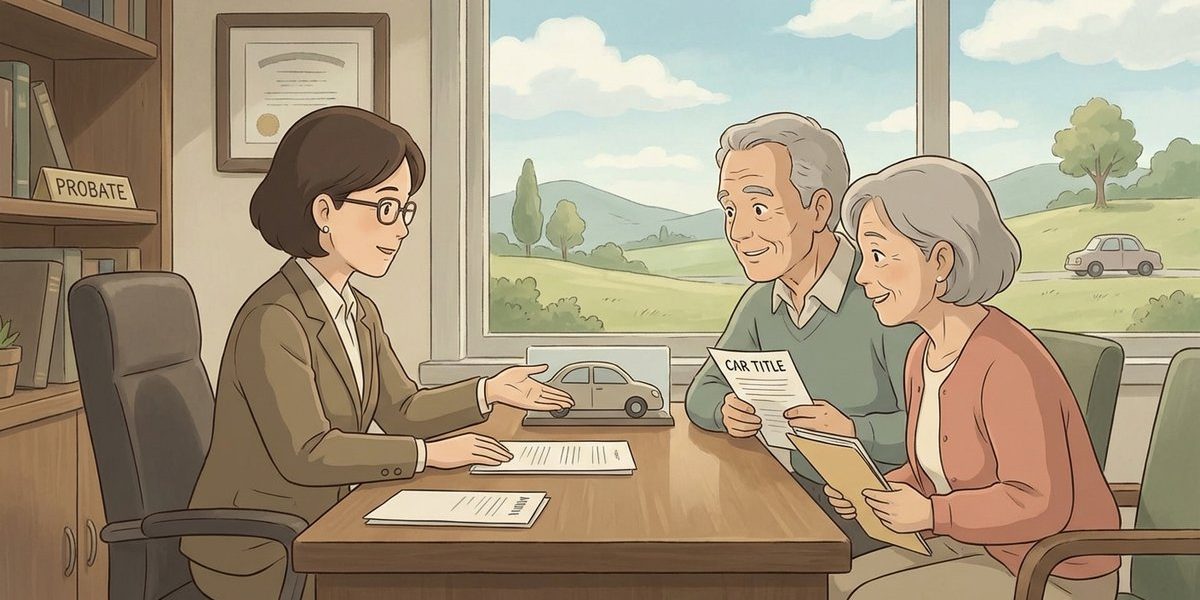
What happens if we can’t find the original signed will—can we still transfer the cars without going through full probate? – North Carolina
Short Answer
Sometimes, yes. In North Carolina, the DMV can allow a vehicle title transfer without opening a full estate if the Clerk of Superior Court agrees the situation fits a limited “no administration expected / small estate” pathway and the required heir affidavits are completed. But if the original signed will cannot be found, the missing will can create a separate problem: the estate may be treated as intestate unless a copy can be admitted as a “lost will,” which usually requires a court filing and proof that the will was not revoked.
Understanding the Problem
In North Carolina probate, the key question is whether a family can remove a deceased parent’s name from older vehicle titles when no probate was opened years ago and the original signed will cannot be located. The decision point is whether the Clerk of Superior Court and the DMV will accept a limited transfer process based on heirs and proof of death, or whether the missing original will forces a formal step to establish who has authority to sign and who legally inherits.
Apply the Law
North Carolina generally expects a person with legal authority (often a qualified personal representative) to transfer a decedent’s titled property. For motor vehicles, however, North Carolina law allows certain “operation of law” transfers without full administration in narrow situations, including when there is no administration pending or expected and the required affidavits are provided. A missing original will matters because, if the will cannot be probated, the Clerk may treat the estate as intestate for purposes of identifying heirs—unless a copy can be admitted through a lost-will proceeding.
Key Requirements
- Proof of who has authority to transfer: Either a qualified personal representative (through probate) or a DMV-accepted affidavit process that substitutes for full administration in limited cases.
- Proof of who inherits: The DMV process typically relies on all heirs (and sometimes devisees under a filed “purported will”) signing an affidavit that identifies the family members entitled to the vehicle.
- Handling the missing will issue: If the original will cannot be found, a copy is not automatically treated as valid; the Clerk may require a court process to admit a copy as a lost will if the will is needed to determine who inherits or who can sign.
What the Statutes Say
- N.C. Gen. Stat. § 20-77 (Transfer by operation of law) – Allows the DMV to issue a new title when ownership passes by inheritance/devise, and in certain “no administration expected” situations the DMV may transfer title based on an affidavit executed by all heirs (and, in some cases, after a purported will is filed with the Clerk).
- N.C. Gen. Stat. § 98-4 (Copy of lost will may be probated) – Provides a statutory pathway for probating a copy of a will in certain “lost records” situations; in practice, North Carolina also recognizes court proceedings to establish a lost or destroyed will when the original cannot be produced and the absence is satisfactorily explained.
Analysis
Apply the Rule to the Facts: Here, a parent died years ago in North Carolina, no estate was opened, and most assets passed outside probate, but older vehicles still show the deceased parent on title. If the vehicles were titled in a way that does not automatically pass full ownership to the surviving spouse (or if the DMV will not accept the paperwork without estate authority), the family typically needs either (1) a limited DMV transfer supported by heir affidavits under the operation-of-law statute, or (2) an estate opened so a personal representative can sign. The missing original will becomes important if the will changes who inherits or who should sign; without the original, the Clerk may treat the estate as intestate unless a copy is admitted as a lost will.
Process & Timing
- Who files: Typically the surviving spouse or the heirs/devisees involved in the transfer. Where: (1) North Carolina DMV (often through a license plate agency) for the title transfer paperwork; and, if needed, (2) the Clerk of Superior Court in the county where the decedent was domiciled at death for any probate or lost-will proceeding. What: A death certificate, the current title (if available), and the DMV-required affidavit(s) identifying heirs and confirming no administration is pending/expected; if relying on a “purported will,” the will (or copy) may need to be filed with the Clerk as part of the record the DMV relies on. When: As soon as the vehicle needs to be sold or retitled; delays can create problems if signatures are hard to obtain.
- If the original will is missing: If the will is needed to determine who inherits (or if family members disagree), the next step is usually a court filing to establish a copy as a lost will. That process commonly requires a verified petition, notice/service on the people who would inherit if there were no will, and evidence of (a) due execution, (b) the will’s contents, (c) loss/destruction, (d) that it was not revoked, and (e) a diligent search.
- Final step: Once the DMV accepts the transfer basis (affidavit route or estate authority), the DMV issues a new North Carolina title showing the proper owner(s), allowing a sale or other transfer.
Exceptions & Pitfalls
- Presumption issues with a missing original will: When an original will was last known to be in the decedent’s possession and cannot be found after death, North Carolina courts may presume the will was revoked unless evidence rebuts that presumption. That can make a “copy-only” approach harder than families expect.
- Not all “joint titles” work the same: Some titles pass automatically to a surviving spouse (depending on how the asset is titled), while others still require estate authority or an affidavit process. Vehicles and real estate can follow different rules and paperwork.
- Heir signatures and family disagreement: The DMV affidavit pathway can require all heirs to sign. If one heir will not sign, cannot be found, or lacks capacity, the matter often shifts toward opening an estate or seeking a court order.
- Creditor and lien complications: A title transfer does not erase liens, and the affidavit process generally does not cut off creditor rights. Old liens, lost titles, or unpaid claims can stall a sale.
- Mixing the vehicle issue with the home: A home titled in both spouses’ names may or may not need probate to clear title, depending on how it was titled. Trying to solve the vehicle transfer without checking the deed language can lead to inconsistent records later.
Conclusion
In North Carolina, a missing original signed will does not automatically prevent a vehicle title transfer, but it can change whether the DMV and the Clerk of Superior Court will treat the estate as intestate or require a lost-will proceeding. If no administration is pending or expected, the DMV may allow a transfer based on heir affidavits under the operation-of-law rules. The most practical next step is to file the DMV transfer packet (including the heir affidavit and proof of death) and, if the will’s terms matter, file a proceeding with the Clerk of Superior Court to establish a copy of the will.
Talk to a Probate Attorney
If a parent died years ago and an older vehicle title still shows the deceased owner—especially when the original will cannot be found—our firm has experienced attorneys who can help sort out whether a DMV affidavit, a lost-will filing, or a limited estate proceeding is the cleanest path. Call us today at [919-341-7055].
Disclaimer: This article provides general information about North Carolina law based on the single question stated above. It is not legal advice for your specific situation and does not create an attorney-client relationship. Laws, procedures, and local practice can change and may vary by county. If you have a deadline, act promptly and speak with a licensed North Carolina attorney.

