
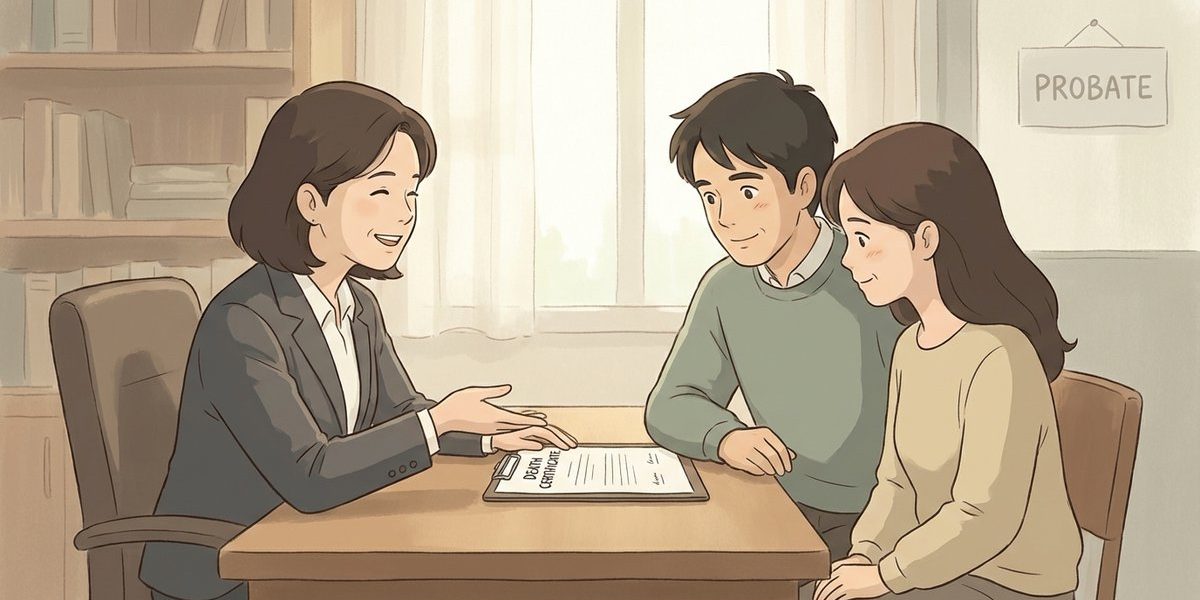
What happens if the death certificate isn’t corrected—can it cause problems with benefits, accounts, or handling the estate? – North Carolina
Short Answer
Yes. In North Carolina, an uncorrected death certificate can delay or block common post-death tasks because many agencies and financial institutions rely on a certified death certificate to match identity details before they will pay benefits, release funds, or retitle accounts. Even a small error (like a misspelled name or wrong date of birth) can trigger extra documentation requests, longer review times, or a denial until the record is amended. The fix is usually an amendment through North Carolina Vital Records, and some situations require a court order.
Understanding the Problem
In North Carolina probate, the key question is what happens when a surviving spouse or family member needs to use a death certificate to prove a death for benefits, accounts, or estate administration, but the certificate contains an error. Can an agency or bank refuse to act, or require extra steps, until the record is corrected? The practical issue is whether the mismatch between the death certificate and other identity documents prevents the normal transfer, payment, or claim process from moving forward.
Apply the Law
North Carolina treats death certificates as official vital records. After a death certificate is accepted for registration, it generally cannot be changed informally; it must be corrected through a formal amendment process governed by the State Registrar (North Carolina Vital Records). In practice, many third parties (banks, insurers, government agencies, and account custodians) require a certified death certificate and will compare the certificate’s identifying information to their records before releasing funds, paying benefits, or allowing a personal representative to act.
Key Requirements
- Certified proof of death: Many transactions require a certified copy (not a photocopy) to prove the death and to match the decedent’s identity to an account or benefit record.
- Identity match across records: The name, date of birth, Social Security number (if shown), and other identifiers often must match the institution’s file closely enough to satisfy its verification rules.
- Proper amendment channel: Once filed, a death certificate is corrected through the State Registrar’s amendment process, sometimes with supporting documentation and, in certain disputes or complex corrections, a court order.
What the Statutes Say
- N.C. Gen. Stat. § 130A-118 (Amendment of birth and death certificates) – Requires a request for amendment after acceptance for registration and authorizes the State Registrar to set proof requirements and fees.
- N.C. Gen. Stat. § 36F-8 (Disclosure of digital assets of deceased user) – Commonly requires a certified death certificate (plus letters or other authority) before a custodian will disclose certain digital assets.
Analysis
Apply the Rule to the Facts: Here, the surviving spouse has been told to use the formal amendment process because the death certificate contains an error. That matters because benefits administrators, banks, and insurers often compare the death certificate to their internal records before they will pay a claim, close an account, or retitle assets. If the certificate’s identifying details do not match, the institution may pause the transaction until an amended certified copy is provided, which can slow estate administration and benefit claims.
Process & Timing
- Who files: Typically the surviving spouse, next of kin, or another authorized applicant (sometimes with help from counsel). Where: North Carolina Vital Records (State Registrar), often with supporting documents from the funeral home, certifier/physician, or other records. What: A formal request for amendment and the proof Vital Records requires under its rules. When: As soon as the error is discovered, especially before filing major benefit claims or trying to access multiple accounts.
- Institution follow-up: While the amendment is pending, banks/insurers/agencies may request additional identity documentation, may require escalation to a supervisor, or may refuse to complete the transaction until a corrected certified copy is received.
- Estate administration coordination: Probate with the Clerk of Superior Court can often begin based on sworn application information, but many asset-specific tasks (claiming benefits, closing accounts, accessing certain digital assets) may still require a certified death certificate that matches the decedent’s records.
Exceptions & Pitfalls
- “Minor” errors can still stop a transaction: A misspelled name, wrong middle initial, or incorrect date of birth can be enough for an institution’s verification system to reject the claim or require manual review.
- Photocopies often are not accepted: Many organizations require a certified copy, and they may keep it. Ordering too few certified copies can create repeat delays.
- Cause-of-death and benefit eligibility: Some benefits or insurance reviews may scrutinize the cause-of-death fields. If those fields are wrong, the claim process can become slower and more document-heavy until corrected.
- Digital accounts and online access: Some custodians require a certified death certificate plus letters testamentary/administration or other authority before releasing information or access, so a mismatch can stall the request.
Conclusion
In North Carolina, leaving a death certificate uncorrected can create real delays with benefits, financial accounts, and estate tasks because many institutions require a certified death certificate and will not proceed if key identity details do not match their records. State law generally requires a formal amendment request through North Carolina Vital Records after the certificate is filed. The most practical next step is to start the amendment request with the State Registrar promptly and obtain corrected certified copies for use with claims and account transfers.
Talk to a Probate Attorney
If there is an error on a death certificate and it is delaying benefits, account access, or estate administration, our firm has experienced attorneys who can help identify what needs to be corrected, gather supporting proof, and map out the fastest path to an amended certified copy. Call us today at 919-341-7055.
Disclaimer: This article provides general information about North Carolina law based on the single question stated above. It is not legal advice for your specific situation and does not create an attorney-client relationship. Laws, procedures, and local practice can change and may vary by county. If you have a deadline, act promptly and speak with a licensed North Carolina attorney.

