
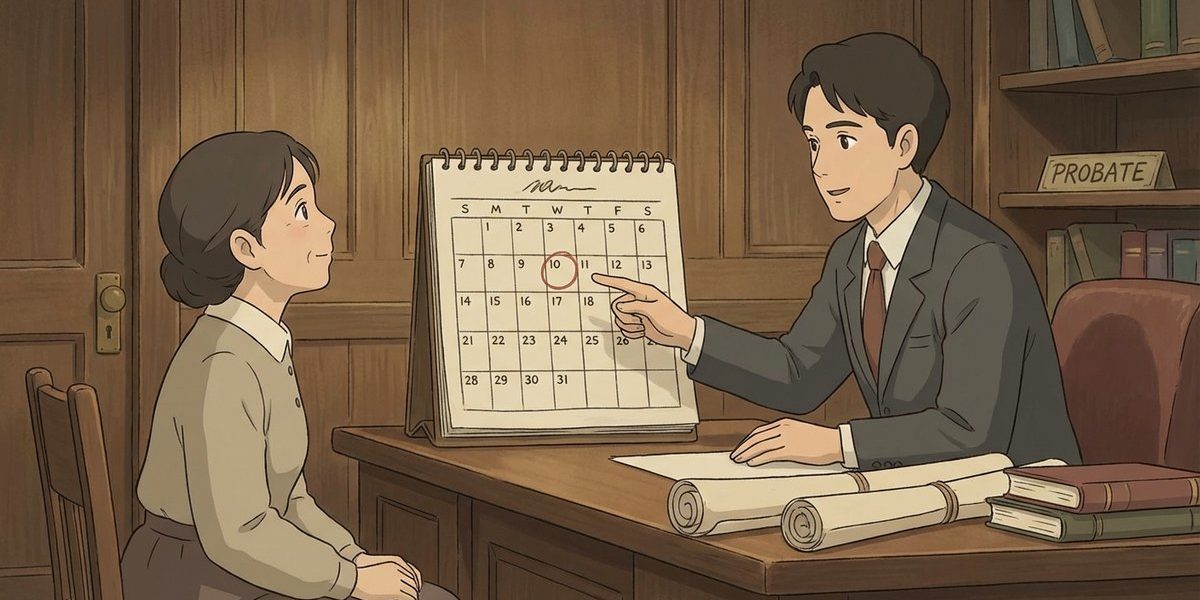
What happens if I miss a hearing date because I thought it was continued? – North Carolina
Short Answer
In North Carolina probate matters, a hearing is usually still “on” unless the Clerk of Superior Court (or the assigned court) enters a continuance and the parties receive notice of the new date. If a party misses the hearing because they assumed it was continued, the clerk can still hold the hearing, take evidence from whoever appears, and enter an order that affects the case. The fastest way to limit damage is to confirm the calendar with the clerk’s office immediately and, if the hearing was missed, file a prompt request to set the matter back on for hearing or to set aside the order if one was entered.
Understanding the Problem
In a North Carolina probate dispute, a party may believe a scheduled hearing before the Clerk of Superior Court was continued and decide not to appear on the original date. The key decision point is whether the hearing was actually continued by the court (and properly noticed), or whether the hearing remained on the calendar and proceeded without that party. This question often comes up when counsel is waiting on steps like sending certified letters to other interested family members and assumes the court will not move forward until those steps are complete.
Apply the Law
Most probate disputes and estate proceedings in North Carolina are handled as “estate proceedings” or special proceedings before the Clerk of Superior Court. Continuances are not automatic. A hearing date generally changes only when the clerk (or judge, if the matter is in superior court) continues it and sets a new date, often through a written notice or order. If a party does not appear and the hearing goes forward, the clerk may decide the issues based on the evidence presented and enter an order. Depending on what happened, the next step may be (1) asking the clerk to calendar a new hearing, (2) moving to set aside an order, or (3) appealing within the time allowed.
Key Requirements
- A continuance must be court-approved: A hearing is not continued just because someone requested it, mailed letters, or believed it would be rescheduled. The court’s calendar controls.
- Notice matters: Probate hearings typically require notice to the interested parties. If notice was improper or incomplete, that can affect whether the hearing should have gone forward and what relief is available afterward.
- Orders entered after a missed hearing can still be binding: If the clerk hears the matter and enters an order, the case may move forward unless the order is changed, set aside, or appealed.
What the Statutes Say
- N.C. Gen. Stat. § 35A-1108 (Notice of hearing; continuance notice in guardianship matters) – Gives an example of how the clerk may continue a hearing and issue notice of the continued date, showing that continuances are typically handled by court action and notice.
Analysis
Apply the Rule to the Facts: Here, the concern is missing a scheduled hearing because it was assumed the date had been continued while waiting for confirmation that certified letters were sent to siblings. Under North Carolina practice in clerk-handled probate proceedings, the safer assumption is that the hearing remains scheduled unless the clerk’s office (or a written order/notice) confirms a new date and time. If the hearing went forward without the non-appearing party, the clerk could have heard the other side and entered an order based on what was presented.
Process & Timing
- Who files: The party who missed the hearing (or that party’s attorney). Where: The Office of the Clerk of Superior Court in the county where the estate proceeding is pending. What: Typically a written request/motion to calendar a new hearing date and, if an order was entered, a motion asking the clerk to set aside or reconsider the order (the correct label depends on what was entered and why). When: As soon as the missed hearing is discovered, because the case may keep moving and appeal deadlines can run quickly.
- Next step: Confirm with the clerk’s office whether (a) the hearing was continued, (b) the hearing occurred, and (c) any order was entered. If an order exists, obtain a file-stamped copy immediately and review what it requires and whether it includes findings and conclusions.
- Final step: If relief is needed, request a new hearing date and ensure all required parties receive proper notice. If the clerk entered an adverse order, evaluate whether the best route is a motion to set aside/reopen versus an appeal to Superior Court (the correct route depends on the type of order and the procedural posture).
Exceptions & Pitfalls
- Assuming “certified letters” equal legal notice: Certified letters may be useful evidence of communication, but many probate proceedings require formal service or court-approved notice methods. Informal letters do not automatically stop a hearing or satisfy all notice rules.
- No written continuance: A common problem is relying on an email, voicemail, or informal statement that “it should be continued.” If the clerk’s calendar still shows the hearing, the matter can proceed.
- One-sided hearing risk: If only one side appears, the clerk may receive evidence from that side and enter an order. Undoing that later can be harder than preventing it by confirming the date in advance.
- Missing required parties: In contested estate proceedings, all required parties generally must be joined and served. If parties were not properly brought into the case, that can create jurisdiction and enforceability problems, but it must be raised correctly and quickly.
For related reading on continuances and missed hearings, see what happens if a probate court hearing gets continued and what happens if a remote estate hearing is missed.
Conclusion
In North Carolina probate matters, a hearing usually does not move just because someone expected a continuance; it typically changes only when the Clerk of Superior Court (or the court) continues it and sets a new date with notice. If the hearing is missed, the clerk may still proceed and enter an order that affects the estate dispute. The most important next step is to contact the clerk’s office immediately to confirm whether the hearing occurred and whether an order was entered, then file a prompt written request to re-calendar the matter or seek relief from the order.
Talk to a Probate Attorney
If a probate hearing was missed because it was believed to be continued, the case can change quickly based on what the Clerk of Superior Court did on the hearing date. Our firm has experienced attorneys who can help explain options, confirm the court calendar, and act quickly to protect deadlines. Call us today at [919-341-7055].
Disclaimer: This article provides general information about North Carolina law based on the single question stated above. It is not legal advice for your specific situation and does not create an attorney-client relationship. Laws, procedures, and local practice can change and may vary by county. If you have a deadline, act promptly and speak with a licensed North Carolina attorney.

