
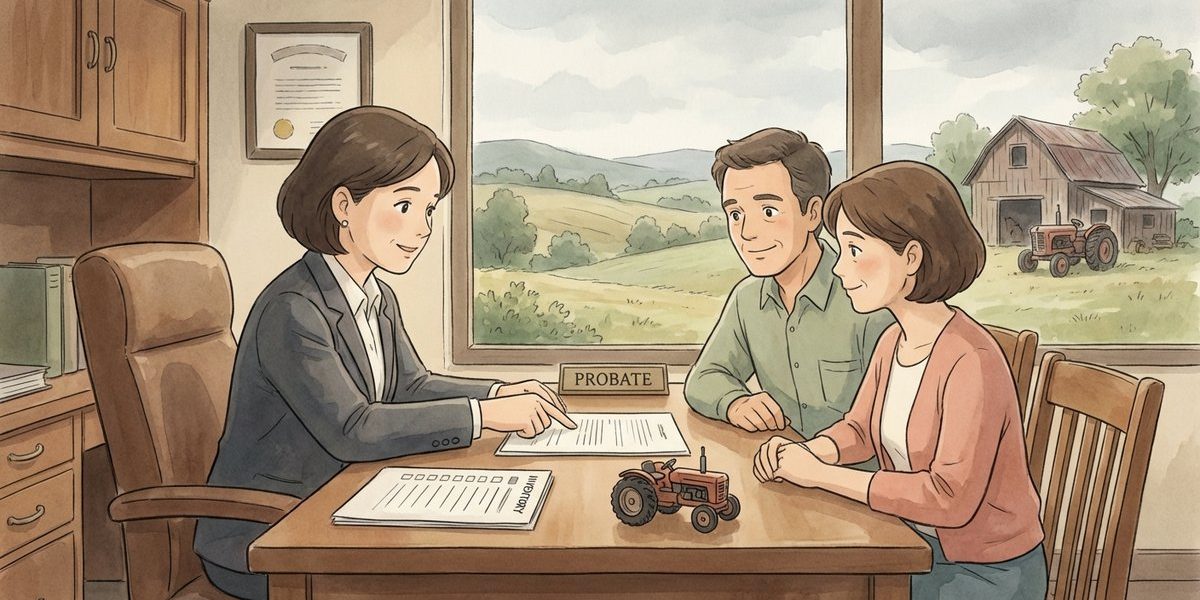
What happens if estate items like a tractor or other equipment were never listed on the inventory and are still sitting on someone else’s property? – North Carolina
Short Answer
In North Carolina, estate personal property that was missed on the inventory generally still belongs to the estate and should be gathered, protected, and reported by the executor (personal representative). If additional property is discovered after the inventory is filed, the executor can be required to update the estate filings (often through a supplemental inventory and/or later accountings) and may need to use a clerk-of-court proceeding to recover items held by a third party. When property is sitting on someone else’s land, the safest path is usually to document it, notify the executor in writing, and let the executor arrange pickup or seek a court order if there is a dispute.
Understanding the Problem
In a North Carolina probate estate, what happens when the executor files an inventory but later it appears that estate items (such as a tractor, tools, or other equipment) were not listed and are still located on another person’s property? The decision point is whether the items are probate estate property that the executor must collect and report, or whether the items fall outside the probate inventory because of how they were owned or transferred. This question often comes up when a non-executor is storing property, does not have the death certificate or paperwork, and wants clarity on removal, missing items, and whether the executor must provide a clearer accounting.
Apply the Law
North Carolina law puts the executor (also called the personal representative) in charge of finding, collecting, and protecting the decedent’s probate assets and then reporting them to the Clerk of Superior Court in the estate file. If property is discovered after the inventory is filed, the executor generally must correct the record by filing a supplemental inventory and/or properly reporting the asset in later accountings. If a third party has estate property and will not turn it over, the executor can use a clerk-of-court proceeding designed to discover and recover estate assets, in addition to other court remedies.
Key Requirements
- Probate ownership: The item must be property that should be administered through the estate (for example, titled or owned solely by the decedent, or payable to the estate), rather than property that passes outside probate.
- Executor’s duty to gather and protect: The executor is responsible for locating estate assets, taking reasonable steps to preserve them, and administering them through the estate process.
- Accurate reporting to the clerk: The inventory and later accountings should reflect estate assets and transactions. When an asset was missed or misdescribed, the executor may need to file a supplemental inventory and/or clarify the asset in the accounting record.
What the Statutes Say
- N.C. Gen. Stat. § 28A-20-3 (Supplemental inventory) – Directs the personal representative to file a supplemental inventory when additional property becomes known or when a prior description/value was wrong or misleading.
- N.C. Gen. Stat. § 28A-15-12 (Proceeding to discover assets) – Allows the personal representative to file a special proceeding before the clerk to identify and recover estate assets believed to be held by a third party.
- N.C. Gen. Stat. § 28A-20-4 (Appraisals) – Permits use of appraisers to determine fair market value for inventory purposes and requires the appraiser’s identifying information to be listed if used.
Analysis
Apply the Rule to the Facts: The facts describe estate-related personal property (including equipment) located on another person’s property, plus concern that some items are missing or were not listed on the inventory. If the tractor/equipment was owned by the decedent in a way that makes it a probate asset, the executor’s job is to identify it, secure it, and make sure it is properly reported to the Clerk of Superior Court, including by filing a supplemental inventory if it was missed. If there is disagreement about whether the property is estate property or whether it must be turned over, the executor (not the non-executor property holder) is typically the party who asks the clerk for an order through a “discover assets” proceeding.
Process & Timing
- Who acts first: The executor (personal representative). Where: the estate file with the Clerk of Superior Court in the county where the estate is being administered. What: if property was omitted, the executor typically prepares a supplemental inventory and/or clearly reports the asset and any later sale/distribution in the next accounting. When: as soon as the omitted asset becomes known, because inventory and accounting accuracy affects the rest of the administration.
- If property is on someone else’s land: the executor usually arranges a documented pickup (photos, serial numbers, condition notes). If the holder refuses to release the item, the executor can file a proceeding to discover assets with the clerk in the county where the third party resides or does business, seeking an order to deliver the property to the estate.
- If there are questions about a reported vehicle sale or missing items: the executor should be able to support the accounting with records (title documents, bills of sale, deposit records, and disbursement documentation) and the clerk can require clearer reporting in the estate accountings before the estate is closed.
Exceptions & Pitfalls
- Not everything belongs on the probate inventory: Some property passes outside probate (for example, certain beneficiary-designated assets). A tractor or equipment is often probate property, but ownership details matter (title, bill of sale, business ownership, or prior transfer).
- Informal “heir agreements” can create problems: Even if family members agree on who should get an item, the executor still generally needs to administer and report estate property correctly to avoid later disputes and to support the final accounting.
- Storage and liability issues: Keeping equipment on someone else’s property can lead to damage, theft, or use disputes. Documenting condition and location (photos, serial numbers, dates) and communicating in writing helps reduce later conflict about what existed and when.
- Self-help removal can backfire: If a non-executor moves, sells, or disposes of items believed to be estate property without the executor’s direction, it can trigger claims and delay the estate. The cleaner approach is to demand that the executor take custody or seek a clerk’s order.
- Accounting confusion: A reported vehicle sale (or any sale) should match supporting documents and the accounting entries. Missing paperwork, unclear descriptions, or lump-sum reporting can lead to objections and additional clerk review.
For more background on how inventories and asset identification typically work in North Carolina estates, see identify and document all assets and debts for the inventory and what assets and debts have to be listed.
Conclusion
In North Carolina, if estate items like a tractor or equipment were missed on the inventory and are still on someone else’s property, they are usually still treated as estate property that the executor must locate, protect, and report. When additional property becomes known, the executor typically must correct the estate record (often by filing a supplemental inventory) and ensure later accountings match any custody, sale, or distribution. The next step is to give the executor written notice and documentation of the items and request that the executor arrange pickup or seek a clerk’s order if there is a dispute.
Talk to a Probate Attorney
If you’re dealing with estate property that was left off the inventory and is still sitting on someone else’s land, our firm has experienced attorneys who can help explain options, paperwork, and timelines in North Carolina probate. Call us today at [919-341-7055].
Disclaimer: This article provides general information about North Carolina law based on the single question stated above. It is not legal advice for your specific situation and does not create an attorney-client relationship. Laws, procedures, and local practice can change and may vary by county. If you have a deadline, act promptly and speak with a licensed North Carolina attorney.

