
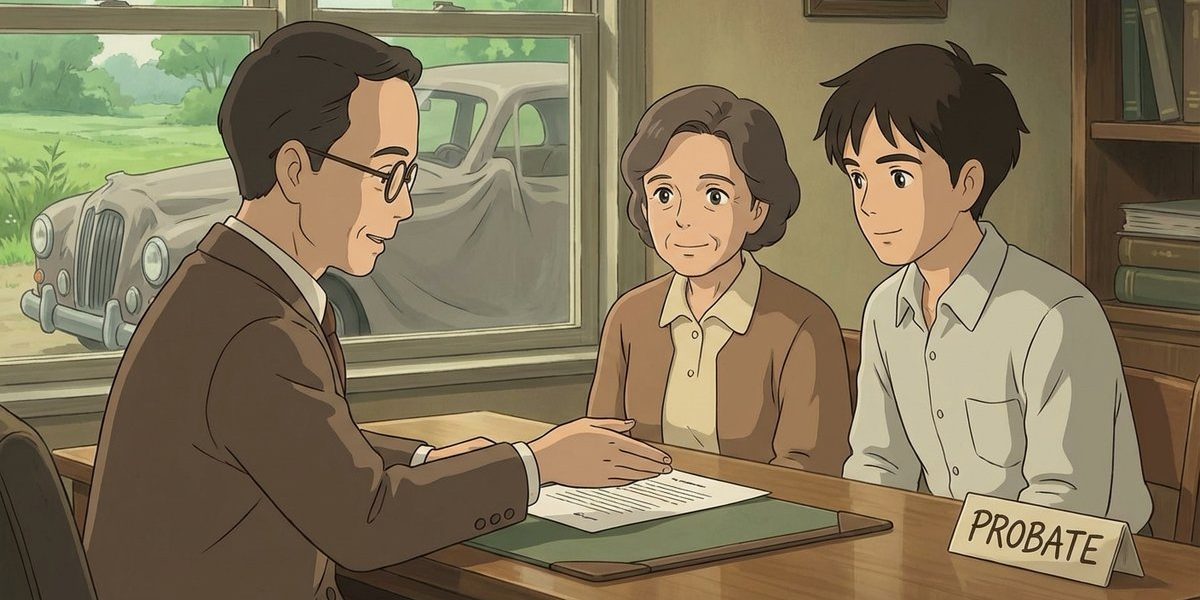
What happens if a co‑heir refuses to accept the vehicle as part of their share or threatens to fight the distribution? – North Carolina
Short Answer
In North Carolina, a co-heir generally cannot force the estate to give them a particular item (like a vehicle) if the personal representative is trying to make an equal distribution overall. If a co-heir refuses a proposed “in-kind” distribution or threatens to contest it, the personal representative typically pauses the distribution and asks the Clerk of Superior Court for direction, or sells the vehicle and distributes cash instead. If the dispute becomes formal, it may turn into a contested estate proceeding or (in some situations) a partition case for personal property.
Understanding the Problem
In North Carolina probate, can a personal representative distribute a vehicle to one co-heir as part of that person’s share if another co-heir refuses to accept that plan or threatens to fight it? The decision point is whether the estate can complete a fair distribution when one heir will not cooperate with a vehicle transfer or insists the vehicle should be handled differently. The key trigger is when the personal representative is ready to distribute personal property and close out the estate, but a co-heir objects to the proposed distribution method.
Apply the Law
North Carolina estates are administered under the supervision of the Clerk of Superior Court. The personal representative (executor or administrator) has a duty to gather estate assets, pay valid debts and expenses, and then distribute what remains to the heirs or beneficiaries. When heirs disagree about how a specific item like a vehicle should be allocated, the personal representative’s job is to distribute the estate correctly and fairly under the will (if there is one) or under intestate succession (if there is no will). If agreement is not possible, the personal representative often needs court guidance before making a distribution that could later be challenged.
Key Requirements
- Correct recipients: The vehicle must go to the right person(s) under the will or North Carolina intestacy rules, after priority claims and estate expenses are handled.
- Fair valuation and equalization: If the vehicle is used as an “in-kind” distribution, the estate usually needs a reasonable value for the vehicle so the overall shares can be equalized (for example, by offsetting other property or cash).
- Clear authority and documentation: The personal representative should be able to show, through the inventory/accounting and supporting paperwork, why the distribution is correct and how the value was handled.
What the Statutes Say
- N.C. Gen. Stat. § 46A-101 (Partition of personal property; commissioners; objections) – provides a process for partitioning personal property among co-owners and sets short deadlines to object to a commissioners’ report.
Analysis
Apply the Rule to the Facts: If an estate includes a vehicle and co-heirs are entitled to shares of the estate, a proposal to treat the vehicle as one co-heir’s share depends on (1) whether that distribution matches the will or intestacy rules, (2) whether the vehicle’s value is handled in a way that keeps the overall distribution fair, and (3) whether the personal representative can document the decision in the accounting. If a co-heir refuses to accept the vehicle allocation or threatens to contest it, the personal representative typically should not “force” the transfer informally; instead, the personal representative may seek instructions from the Clerk of Superior Court or convert the vehicle to cash through a sale to avoid an in-kind fight.
Process & Timing
- Who files: Usually the personal representative (or sometimes an heir). Where: The Clerk of Superior Court in the county where the estate is administered. What: A request for instructions/relief in the estate file, or a contested estate proceeding if the dispute is formal and affects administration. When: As soon as it becomes clear the dispute will delay distribution or create risk for the final accounting.
- Stabilize the asset: The personal representative typically keeps the vehicle insured, secured, and accounted for while the dispute is pending, and avoids transferring title until the dispute is resolved or the court authorizes a path forward.
- Resolve and document: The matter ends with either (a) a written agreement among heirs, (b) a court order approving a distribution method, or (c) a sale of the vehicle with the net proceeds distributed and shown on the final accounting.
Exceptions & Pitfalls
- Title and ownership issues: If the vehicle was not solely owned by the decedent (for example, it had a surviving co-owner or other title complication), the “estate distribution” analysis can change and the vehicle may not be fully available for probate distribution.
- Fighting over value: Many vehicle disputes are really valuation disputes. Using a defensible value (and documenting how it was chosen) often reduces the risk of an objection to the accounting.
- Premature transfer: Transferring the vehicle before the dispute is resolved can create personal representative liability risk, especially if the transfer makes it harder to pay estate expenses or to equalize shares.
- Using the wrong procedure: Some disputes belong in the estate file before the Clerk; others may be framed as partition of personal property. Choosing the wrong path can cause delay and extra cost.
Conclusion
In North Carolina, if a co-heir refuses to accept a vehicle as part of a proposed share or threatens to contest the distribution, the personal representative usually should not force an informal transfer. The safer approach is to pause, document the proposed valuation and equalization, and seek direction through the Clerk of Superior Court if agreement is not possible. A practical next step is to file a request for instructions (or start the appropriate contested estate process) before transferring title or finalizing the accounting.
Talk to a Probate Attorney
If a co-heir is refusing a vehicle distribution or threatening to fight the estate’s plan, our firm has experienced attorneys who can help explain the probate process, options for resolving the dispute, and the timelines that may apply. Call us today at (919) 341-7055.
Disclaimer: This article provides general information about North Carolina law based on the single question stated above. It is not legal advice for your specific situation and does not create an attorney-client relationship. Laws, procedures, and local practice can change and may vary by county. If you have a deadline, act promptly and speak with a licensed North Carolina attorney.

