
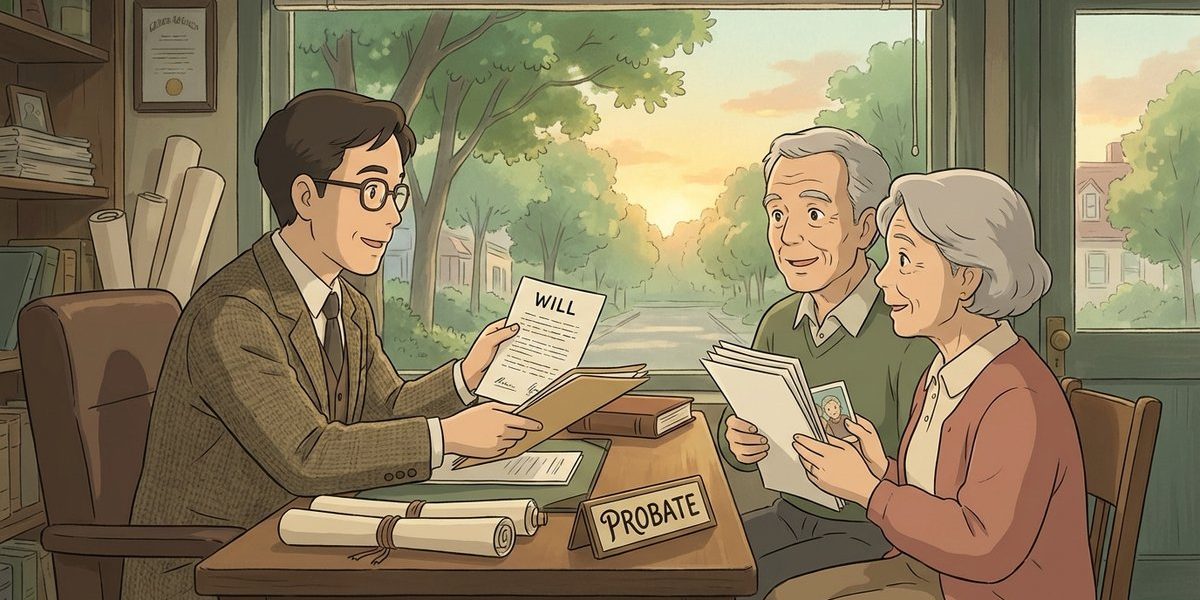
What documents do I need to bring to a probate consultation to get the process started? – North Carolina
Short Answer
For a North Carolina probate consultation, the most helpful items are the original will (if available), a certified death certificate (or other proof of death if the certificate is not ready), and a basic list of the decedent’s assets and debts. Bringing contact information for the executor named in the will and the beneficiary can also help the attorney map out the next steps with the Clerk of Superior Court. If some documents are missing, the consultation can still happen, but it may limit how quickly the estate can be opened.
Understanding the Problem
In a North Carolina probate matter where a will exists, the main question is what paperwork and information is needed for an attorney to evaluate the will, identify the correct personal representative, and prepare to start the estate with the Clerk of Superior Court. The goal of the first meeting is to gather enough information to decide what needs to be filed, what property is part of the probate estate, and what timing issues may matter for getting the will validated and letters issued.
Apply the Law
In North Carolina, the Clerk of Superior Court has probate jurisdiction and oversees the opening of an estate and the qualification of the personal representative (often called the executor in a will). To get the process started in a testate estate (an estate with a will), the attorney typically needs (1) the will to be offered for probate, (2) evidence of death, and (3) enough identifying information about the decedent, beneficiaries, and property to complete the initial court forms and anticipate whether a bond, a resident process agent, or other qualification requirements may apply.
Key Requirements
- The will and who is nominated to serve: The attorney needs to review the will to confirm it is the latest version, identify the executor, and confirm who inherits under the will.
- Proof of death and correct identity details: The Clerk and third parties (like banks) typically require reliable proof of death and consistent name/address information to avoid delays.
- A workable snapshot of the estate: A basic inventory of assets and debts helps determine what is subject to probate administration, what may pass outside probate, and what filings and notices are likely needed.
What the Statutes Say
- N.C. Gen. Stat. § 7A-241 (Probate jurisdiction) – Gives the Clerk of Superior Court authority over probate of wills and estate administration.
- N.C. Gen. Stat. § 31-39 (Probate needed to pass title; timing limits) – Explains why offering the will for probate matters and includes timing rules that can affect title and third parties.
Analysis
Apply the Rule to the Facts: The facts describe a simple North Carolina estate where a will exists and needs to be validated, with one beneficiary and no obvious complications. That usually means the consultation should focus on confirming the original will is available, identifying the nominated executor, and gathering proof of death and a clean list of assets and debts so the attorney can prepare the initial probate filings with the Clerk of Superior Court. If the death certificate is not yet available, the consultation can still move forward using other reliable information, but certified copies are often needed soon after for banks, insurance, and other transfers.
What to bring (practical checklist)
- Original will (and any codicils): Bring the original signed document if it can be located. If only a copy exists, bring it anyway and be prepared to explain where the original might be.
- Death certificate: Bring a certified copy if available. If it is not available yet, bring any documentation that reliably shows the date of death and the decedent’s identifying information so the attorney can still evaluate next steps.
- Basic family/beneficiary information: Names, addresses, and relationship information for the beneficiary(ies) under the will, and the executor named in the will (plus whether the executor is willing and able to serve).
- Asset list (even if incomplete): A simple list is enough to start: bank accounts, vehicles, real estate, retirement accounts, life insurance, business interests, and any valuable personal property. If statements are available, bring the most recent ones.
- Debt list: Mortgage statements, credit cards, medical bills, funeral expenses, and any other known creditors.
- Real estate documents (if any): Deeds, property tax bills, mortgage statements, and HOA information help confirm ownership and location.
- Prior year income tax returns (if available): These often help identify accounts, income sources, and missing assets.
- Mail and account access clues: Recent mail, a checkbook register, or a list of online accounts can help locate assets and recurring bills.
When the estate appears “simple,” the biggest delays often come from missing originals (especially the original will), inconsistent names (for example, a nickname used on accounts), or an incomplete asset picture. Bringing a rough but organized packet usually allows the attorney to identify what is probate property versus property that may pass outside probate (like certain beneficiary-designated accounts), which affects what must be filed and what can be handled separately.
For readers looking for a broader document-gathering checklist, it may also help to review what documents do I need to provide a lawyer to discuss an estate case? and what documents should I gather before meeting with a probate attorney about a trust and an estate?.
Process & Timing
- Who files: Typically the executor named in the will (or another qualified person if the nominated executor cannot serve). Where: The Clerk of Superior Court in the county where the decedent was domiciled. What: The will is offered for probate and the personal representative applies to qualify and receive letters (the Clerk’s office uses AOC forms, which can vary by county practice). When: As soon as practical after death, especially if estate assets need to be accessed to pay bills or manage property.
- Qualification steps: The Clerk reviews the will and the application information, administers the oath, and addresses any bond or process-agent requirements that apply. County practices differ on how much the attorney prepares versus what the Clerk prepares.
- After letters issue: The personal representative uses the letters to gather estate assets, handle required notices and claims, pay valid debts, and later file the required accountings and close the estate.
Exceptions & Pitfalls
- Only a copy of the will exists: A missing original can change the process and may require additional proof and steps before the will can be accepted.
- Death certificate errors: Misspellings or incorrect personal details can slow down banks, insurers, and benefit claims even if probate is moving forward.
- Assuming every asset is “probate”: Some property may pass outside probate, and mixing those categories can lead to unnecessary filings or missed tasks.
- Not knowing where the decedent lived legally: The correct county Clerk is usually tied to domicile, and filing in the wrong county can cause delays.
- Incomplete contact information: Missing addresses for beneficiaries can slow required notices and overall administration.
Conclusion
To start a North Carolina probate consultation for an estate with a will, the most important items are the original will (if available), a certified death certificate (or other reliable proof of death if the certificate is not ready), and a basic list of assets, debts, and beneficiary/executor contact information. Probate is handled through the Clerk of Superior Court, and starting promptly helps avoid avoidable delays. The next step is to gather the will, death documentation, and an asset/debt snapshot so the attorney can prepare the initial probate filing with the Clerk.
Talk to a Probate Attorney
If you’re dealing with a North Carolina estate where a will needs to be validated and an executor needs to be appointed, our firm has experienced attorneys who can help explain the documents needed and the likely timeline. Call us today at 919-341-7055.
Disclaimer: This article provides general information about North Carolina law based on the single question stated above. It is not legal advice for your specific situation and does not create an attorney-client relationship. Laws, procedures, and local practice can change and may vary by county. If you have a deadline, act promptly and speak with a licensed North Carolina attorney.

