
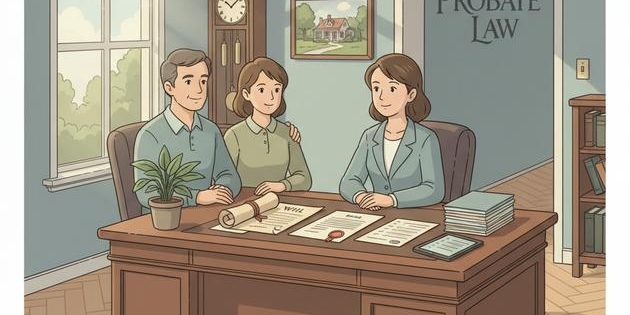
What documents and information should I gather before my first probate consultation? – North Carolina
Short Answer
For a first North Carolina probate consultation, the most helpful items are the original will (if one exists), a certified death certificate (if available), and a basic list of the person’s assets and debts. It also helps to gather contact details for the proposed personal representative (executor/administrator) and the people who may inherit. Having these materials ready helps the attorney assess whether a court estate is needed, what must be filed with the Clerk of Superior Court, and what deadlines may apply.
Understanding the Problem
In North Carolina probate, the main question is what information and documents are needed for a first meeting with a probate attorney to discuss starting (or avoiding) an estate administration with the Clerk of Superior Court. The actor is usually a family member, beneficiary, or the person named to serve as personal representative. The action is collecting enough information to identify the correct estate process, confirm whether a will exists, and determine what property may be part of the estate.
Apply the Law
In North Carolina, the Clerk of Superior Court has original jurisdiction over probate of wills and administration of decedents’ estates. In practice, the documents gathered for the first attorney meeting should allow the attorney to evaluate (1) whether the person died with a will, (2) who has priority to serve as personal representative, and (3) what property and debts exist so the correct filings can be prepared. A key timing issue in many estates is making sure a will is timely probated, because waiting too long can create title problems, especially for real estate.
Key Requirements
- Proof of death and identity: The attorney typically needs information that confirms the death and correctly identifies the decedent for court filings and account set-up.
- Authority to act (will or intestacy information): The attorney needs the will (if any) and family/heir information to determine who can qualify as personal representative and who must receive notices.
- Asset and debt picture: A starting inventory of property and liabilities helps determine what is “in the estate” versus property that passes outside probate, and it helps plan next steps with the court and financial institutions.
What the Statutes Say
- N.C. Gen. Stat. § 7A-241 (Probate jurisdiction) – Gives the Clerk of Superior Court authority over probate and estate administration.
- N.C. Gen. Stat. § 31-39 (Timely probate to protect title) – Ties the effectiveness of a will against certain third parties to probate (or offering the will for probate) within specific time limits, including a two-year benchmark tied to the date of death.
- N.C. Gen. Stat. § 31-11.6 (Self-proved wills) – Explains how a will can be made “self-proved,” which can simplify the proof needed when presenting the will for probate.
Analysis
Apply the Rule to the Facts: Here, a potential client contacted a law firm to schedule a probate consultation. The most efficient first meeting happens when the person scheduling can bring (or quickly obtain) the original will, a certified death certificate if it has been issued, and a starter list of assets and debts. That information allows the attorney to focus on what the Clerk of Superior Court will require to open the estate and who should serve as personal representative.
Process & Timing
- Who files: The nominated executor under the will (if there is a will) or an appropriate heir (if there is no will). Where: The Estates division of the Office of the Clerk of Superior Court in the county where the estate is opened. What: The initial probate/estate-opening paperwork required by that clerk’s office (many counties use North Carolina court forms posted by the North Carolina Judicial Branch). When: As soon as practical after death, especially if assets need immediate management (for example, access to bank accounts) or real estate will be sold.
- After qualification, the personal representative typically gathers documentation to build a full inventory of assets and liabilities. Early organization matters because it affects later filings, notices, and the ability to deal with financial institutions and purchasers.
- The estate usually ends with closing documents filed with the Clerk of Superior Court (the exact filings depend on the type of estate administration and what property exists).
Exceptions & Pitfalls
- Not all property is “probate property”: Some assets may pass outside the estate (for example, certain joint accounts or beneficiary-designated accounts). Bringing account statements and beneficiary paperwork helps the attorney sort this out early.
- Missing original will: A copy of a will may not be enough to probate in the normal way. If the original cannot be found, bring any copies and any information about where the original was kept (home safe, safe deposit box, attorney, or clerk’s safekeeping depository) so the attorney can advise on next steps.
- Incomplete family information: Probate filings and notices depend on identifying the correct heirs/beneficiaries. A rough family tree (spouse, children, prior marriages, and whether anyone predeceased) avoids delays.
- Unclear debt picture: People often forget final medical bills, credit cards, car notes, mortgages, and reimbursements owed to family members. Gathering statements reduces surprises and supports realistic planning.
What to Bring: Practical Probate Consultation Checklist
- Original will and any codicils (amendments): Bring the original documents if possible, plus any related estate planning papers (even if the will seems old).
- Certified death certificate: If it is already issued, bring a certified copy; if not yet issued, bring what is available and note when a certified copy is expected.
- Basic personal information: Full legal name, date of death, county of residence at death, and any other names used (maiden name or prior legal names).
- Contact information for key people: Names, addresses, phone numbers, and email addresses for the proposed personal representative and the main heirs/beneficiaries.
- List of assets (even if incomplete): Bank and credit union accounts; retirement accounts; life insurance; vehicles; real estate; business interests; stocks/bonds; and any significant personal property.
- Documents that help identify assets: Recent statements, account numbers, titles, deeds, closing statements, and vehicle titles (copies are fine for the first meeting).
- List of debts and monthly bills: Mortgage, car loan, credit cards, medical bills, utilities, and any known lawsuits or claims.
- Most recent income tax return: A recent return can help identify accounts, income sources, and financial institutions. (For tax questions, a tax attorney or CPA should be consulted.)
- Information about safe deposit boxes: Bank name and branch, box number (if known), and who is listed on the signature card, since access rules can depend on the setup.
Conclusion
For a first probate consultation in North Carolina, the best preparation is to gather the original will (if any), a certified death certificate (if available), and a starter list of assets, debts, and the names and contact information for the people involved. Probate and estate administration are handled through the Clerk of Superior Court, and delays can create avoidable complications, including timing issues tied to offering a will for probate. The next step is to organize these items and bring them to the initial meeting so the correct filing plan can be set.
Talk to a Probate Attorney
If a family is dealing with a death and needs to understand what paperwork is required to start North Carolina probate, our firm has experienced attorneys who can help explain the process, the documents to gather, and the timelines that may matter. Call us today at (919) 341-7055.
Disclaimer: This article provides general information about North Carolina law based on the single question stated above. It is not legal advice for your specific situation and does not create an attorney-client relationship. Laws, procedures, and local practice can change and may vary by county. If you have a deadline, act promptly and speak with a licensed North Carolina attorney.

