
What can I do if the insurance company won’t process the claim without a death certificate? – NC
Short Answer
In North Carolina, a named life insurance beneficiary usually does not have to depend on the decedent’s family to get a death certificate. State law allows a person seeking a certified copy for a legal determination of personal or property rights to request one directly from the proper records office. If the insurer still will not move forward, the next step is usually to submit the certified death certificate with the carrier’s claim form and, if needed, open a limited probate matter only when the policy or insurer requires estate paperwork.
Understanding the Problem
The issue is whether, under North Carolina law, a nonspouse beneficiary can move a life insurance claim forward when the insurer requires a death certificate and the decedent’s relatives will not provide one. The key decision point is access to proof of death needed to claim policy proceeds. The answer turns on whether the claimant has a property-rights reason to obtain a certified death certificate and what the insurer requires to release benefits.
Apply the Law
Under North Carolina law, death certificates are filed shortly after death, and certified copies are not limited to immediate family. A person who needs the record for a legal determination of personal or property rights may request a certified copy. In practice, life insurance carriers commonly require a certified death certificate and a claimant’s statement before they will process a beneficiary claim. If the policy pays a named beneficiary rather than the estate, the claim usually stays outside probate, but probate papers may matter if the estate is the beneficiary or the insurer needs someone formally appointed to act.
Key Requirements
- Property-rights basis: The requester must have a real legal reason for the certified copy, such as claiming named-beneficiary life insurance proceeds.
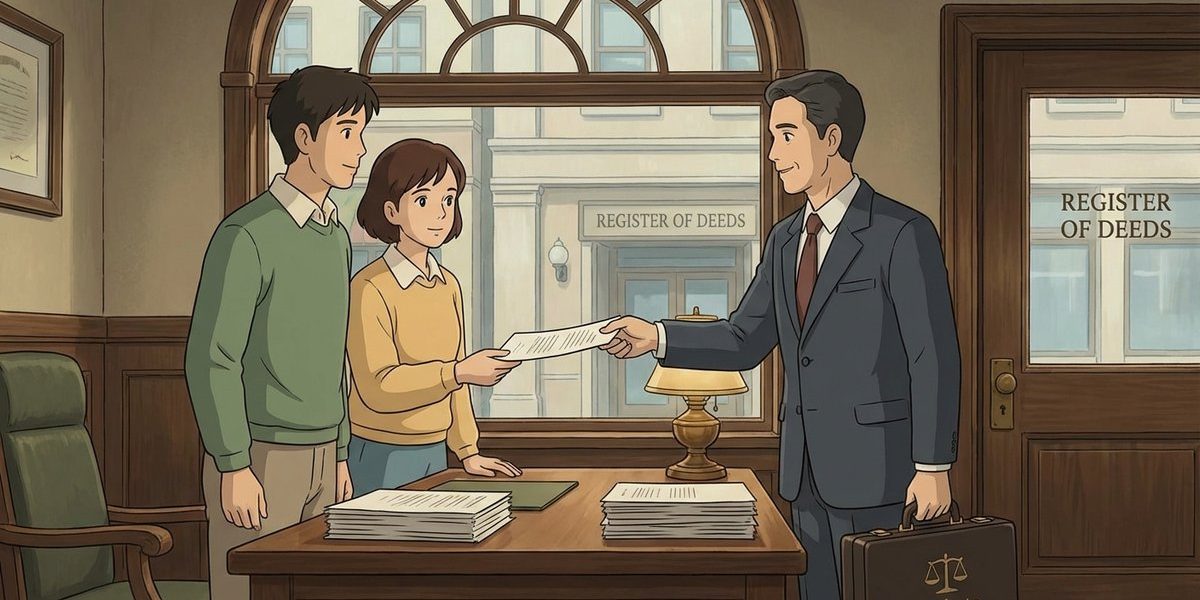
- Proper records office: The request usually goes to the county register of deeds where the death record is kept or to the State Registrar through North Carolina vital records.
- Insurer claim package: The carrier will usually need the certified death certificate, its claimant form, and sometimes the policy number or an affidavit if the original policy is unavailable.
What the Statutes Say
- N.C. Gen. Stat. § 130A-93 (Access to vital records; copies) – allows certified copies of most death records to certain family members and to a person seeking a legal determination of personal or property rights.
- N.C. Gen. Stat. § 130A-99 (Register of deeds to preserve copies of birth and death records) – provides that county registers of deeds keep death records and may issue certified copies to persons who qualify under the access statute.
- N.C. Gen. Stat. § 130A-115 (Death registration) – requires a death certificate to be filed within five days after death, usually by the funeral director, so the record should exist soon after the death.
Analysis
Apply the Rule to the Facts: Here, the surviving partner is the named beneficiary on a life insurance policy, so the claim involves a direct property right. That matters because North Carolina allows a certified death certificate to be issued to a person seeking a legal determination of personal or property rights, which can include proving the insured’s death to collect policy proceeds. The family’s refusal to hand over a copy does not necessarily block the claim if the beneficiary can request the certified copy directly from the proper records office and then submit it to the insurer.
If the policy names the surviving partner personally, the proceeds usually are not part of the probate estate, which is consistent with how life insurance beneficiary designations generally work. By contrast, if the estate is the beneficiary, or if no valid beneficiary survives, the insurer may require letters from a personal representative before paying the claim. For related background on when proceeds pass outside the estate, see does it go through probate.
Process & Timing
- Who files: the named beneficiary or the beneficiary’s attorney. Where: the register of deeds in the North Carolina county where the death certificate is recorded, or the State Registrar for North Carolina vital records. What: a request for a certified copy of the death certificate, supported by identification and a statement showing the request is for a legal determination of personal or property rights tied to the life insurance claim. When: after the death certificate has been filed, which North Carolina law generally requires within five days after death.
- After receiving the certified copy, the beneficiary submits the insurer’s claimant statement and any other requested documents, such as the policy number or lost-policy affidavit. Processing times vary by carrier, and delays often come from missing forms, name mismatches, or questions about the beneficiary designation.
- If the insurer says only an estate representative can act, the next step is to confirm whether the policy actually names the estate or whether the carrier is asking for paperwork it does not need. If estate authority is truly required, a probate filing with the Clerk of Superior Court may be needed so a personal representative can receive letters and deal with the insurer.
Exceptions & Pitfalls
- If the beneficiary cannot show a property-rights basis clearly enough, the records office may ask for more information before issuing a certified copy.
- Name errors on the death certificate or policy records can delay payment, so the certificate should be checked carefully before sending it to the insurer.
- If the insurer is dealing with a missing beneficiary designation, a predeceased beneficiary, or competing claimants, the claim may stall until probate papers or additional proof is provided. In that situation, issues similar to old beneficiary designations can affect who gets paid.
Conclusion
In North Carolina, a life insurance beneficiary often can get a certified death certificate directly without relying on the decedent’s family, because state law allows access when the request is tied to personal or property rights. The main threshold is showing that the certificate is needed to claim policy proceeds. The next step is to request the certified death certificate from the proper vital records office and submit it with the insurer’s claim form after the record is filed, usually within five days of death.
Talk to a Probate Attorney
If a life insurance claim is stalled because no one will provide the death certificate, our firm can help explain the options, records process, and whether probate papers are actually needed. Call us today at 919-341-7055.
Disclaimer: This article provides general information about North Carolina law based on the single question stated above. It is not legal advice for your specific situation and does not create an attorney-client relationship. Laws, procedures, and local practice can change and may vary by county. If you have a deadline, act promptly and speak with a licensed North Carolina attorney.

