
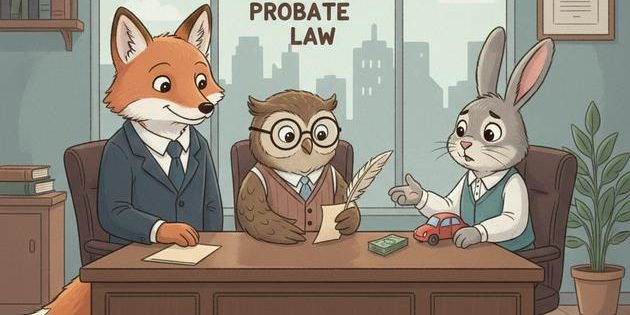
Is it a problem that we sold a vehicle and divided a small bank account before opening probate? – North Carolina
Short Answer
Under North Carolina law, selling a vehicle and dividing a small bank account before opening probate is not automatically a legal violation, especially in a modest, family-only estate. The concern is whether those items were probate assets that should have been handled by a personal representative and whether creditors or other heirs were harmed. In many small or simple estates, these issues can be cleaned up when the estate is formally or informally administered. The main risk is that someone may need to account for what was sold or withdrawn if questions arise later.
Understanding the Problem
The question here is whether North Carolina probate law is violated when family members sell a deceased spouse’s vehicle and split funds from a small bank account before anyone opens an estate with the clerk of superior court. The situation involves an intestate death (no will), mostly beneficiary-designated accounts, a co-owned inherited house expected to be sold, and one or more children as heirs. The focus is on whether those pre-probate actions create legal problems for the later estate administration or for the shares of the spouse’s children.
Apply the Law
North Carolina probate law expects a personal representative (administrator or executor) to collect and safeguard probate assets, pay valid debts and expenses, and then distribute what remains to the heirs. There are exceptions for small estates, certain motor vehicle transfers, and nonprobate assets that pass by beneficiary designation or survivorship. When property is handled before someone formally qualifies, the law asks whether the handling was consistent with the eventual rights of heirs and creditors, and whether it can be documented and corrected if needed.
Key Requirements
- Identify what is a probate asset: Determine which items (like a vehicle or bank account) belonged solely to the deceased spouse at death and did not have a joint owner or named beneficiary.
- Use a proper procedure for small or simple estates: For modest estates, North Carolina allows options such as collection by affidavit, summary administration for a surviving spouse, or limited procedures for transferring motor vehicles without full estate administration.
- Account for and reconcile pre-probate transactions: If property was sold or funds were divided beforehand, the eventual personal representative must treat those items as though they were received and then distributed, and be prepared to show that creditors and heirs were not shortchanged.
What the Statutes Say
- N.C. Gen. Stat. § 20-77(b) (Transfer of motor vehicle after death) – Allows certain motor vehicles to be retitled from a deceased owner using an affidavit when no personal representative has qualified and the estate is small enough that full administration is not justified.
- N.C. Gen. Stat. § 28A-25-1 (Collection by affidavit for small estates) – Permits heirs or certain creditors to collect personal property by affidavit when the total probate personal property is under a statutory limit, instead of opening a full estate.
- N.C. Gen. Stat. § 28A-28-1 et seq. (Summary administration for surviving spouse) – Lets a surviving spouse administer and receive assets directly when the spouse is the sole heir or beneficiary, with different rules about liability for debts.
- N.C. Gen. Stat. § 41-48 (Transfer-on-death designations) – Confirms that transfer-on-death accounts pass outside probate but remain reachable if the estate cannot cover the decedent’s debts.
Analysis
Apply the Rule to the Facts: In the facts described, many accounts already had named beneficiaries and life insurance covered funeral costs, so those nonprobate assets generally bypass the estate. The sold vehicle and the small bank account are the main potential probate assets. If the sale proceeds and divided funds roughly match what each heir would receive under intestacy and no creditors are left unpaid, the later administrator can usually treat those transfers as prior distributions and account for them in the estate paperwork. Problems are more likely if a child or other heir was left out, or if an unpaid creditor later claims the estate is short.
Process & Timing
- Who files: Typically the surviving spouse, another heir, or a creditor. Where: The Clerk of Superior Court, Estates Division, in the North Carolina county where the deceased spouse was domiciled. What: For a modest estate, common options are an Application for Probate and Letters of Administration (for full administration), an Application for Collection of Personal Property by Affidavit, or a Petition for Summary Administration if the spouse qualifies. When: There is no strict deadline to open an estate, but waiting more than a few months can complicate recordkeeping and creditor issues.
- After qualification or approval of the small-estate procedure, the personal representative (or affiant) lists assets and debts, including the vehicle that was sold and the small bank account. The pre-probate sale proceeds and divided funds are treated as if the estate received them and then distributed them, and the representative may ask the family to document what amounts went to whom.
- Once debts, taxes, and expenses are resolved, the representative completes an accounting with the clerk that shows those prior transfers. The clerk reviews and, if everything lines up, accepts the account and closes the file, formally ending the administration.
Exceptions & Pitfalls
- If the estate has more debts than assets, or if creditors appear after the vehicle and bank funds were used, the family members who received money may be asked to return part of it so the representative can pay valid claims.
- If a child or other heir did not consent to or benefit from the pre-probate transfers, that person could challenge them, and the representative may need to rebalance later distributions.
- Using informal bank withdrawals or cash transactions without records can make the final accounting difficult; clear notes, receipts, and copies of titles or bills of sale help show that the estate was handled in good faith.
- Real estate co-owned with a sibling that came by inheritance may pass outside of probate, but a sale within two years of death can affect creditors’ rights and should be coordinated with the estate process.
- Separate land owned in another jurisdiction by the surviving spouse is generally not part of the deceased spouse’s estate and usually does not reduce the children’s intestate shares under North Carolina law, but out-of-state rules for that other land can differ.
Conclusion
Under North Carolina probate law, selling a vehicle and dividing a small bank account before opening probate is not automatically a fatal error, especially in a small, family-centered estate. The key is whether those assets were probate property and whether creditors and all heirs ultimately receive what the law provides. The safest next step is for an heir or the surviving spouse to file the appropriate estate documents with the clerk of superior court and be prepared to list and document the earlier sale and division so they can be reconciled in the final accounting.
Talk to a Probate Attorney
If a loved one’s vehicle was sold and a small bank account was divided before anyone opened probate in North Carolina, our firm has experienced probate attorneys who can help clarify what needs to be done and how to correct or document prior transfers. Call us today at 919-341-7055.
Disclaimer: This article provides general information about North Carolina law based on the single question stated above. It is not legal advice for your specific situation and does not create an attorney-client relationship. Laws, procedures, and local practice can change and may vary by county. If you have a deadline, act promptly and speak with a licensed North Carolina attorney.

