
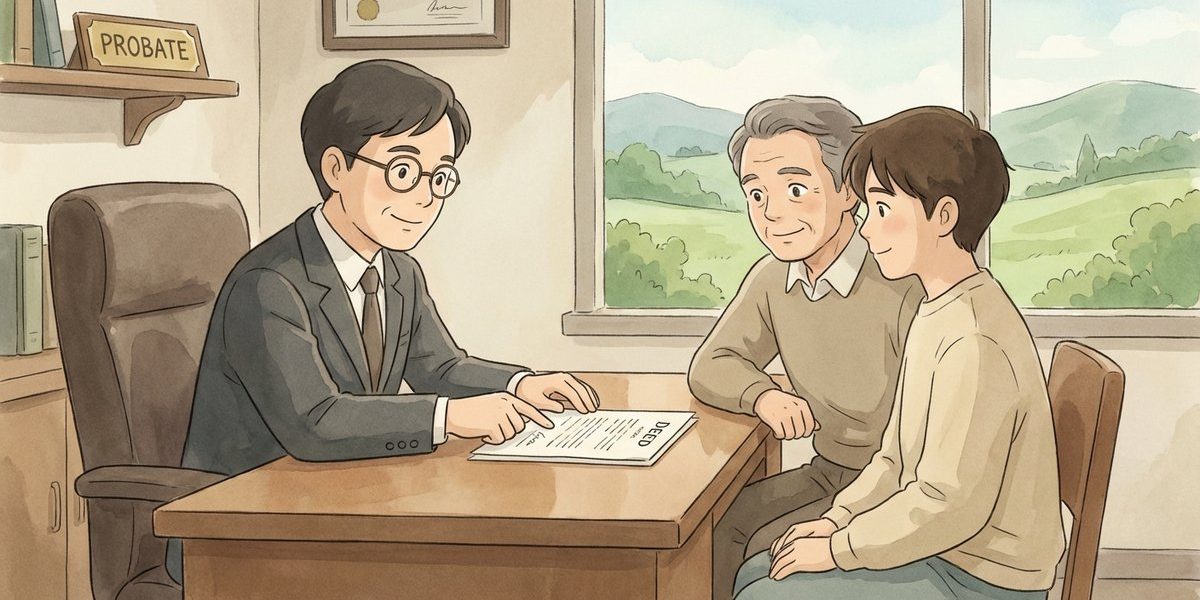
If my parent put the property in my name before they died, do I still need to go through probate? – North Carolina
Short Answer
Often, no—if the home was validly deeded into the child’s name during the parent’s lifetime, the home is usually not a probate asset in North Carolina because the parent did not own it at death. But probate (or a smaller estate procedure) may still be needed for other assets, debts, or to clear up title issues. Next steps usually include confirming the deed was properly signed and recorded and checking whether any other property still requires an estate file with the Clerk of Superior Court.
Understanding the Problem
In North Carolina probate, the key question is whether the parent still owned the home at death, or whether the home had already been transferred during life. If the parent transferred the home into a child’s name about a year before death, the issue becomes whether that transfer was completed in a way that makes the child the owner now, without needing the Clerk of Superior Court to open a full estate just to pass the home. The next steps depend on what the recorded deed shows and whether anything else in the parent’s name still needs an estate process.
Apply the Law
In North Carolina, probate is the court-supervised process (handled through the Clerk of Superior Court) used to appoint a personal representative and administer property that was owned by the decedent at death. If a home was transferred by deed during life and the deed was properly delivered and recorded, the home generally is not part of the probate estate because title already moved before death. Even so, an estate file may still be needed to deal with other assets, creditor issues, or to probate a will when required to pass title to property that remained in the decedent’s name.
Key Requirements
- Ownership at death: Probate is mainly needed for assets the parent still owned at death. If the deed transfer was completed during life, the home usually falls outside probate.
- Valid transfer and recordation: The deed must have been properly executed and recorded in the county where the property is located so the public records show the child as owner.
- No other estate work needed: Even if the home avoids probate, an estate process may still be needed for other assets, debts, or to probate a will for other reasons.
What the Statutes Say
- N.C. Gen. Stat. § 31-39 (Probate necessary to pass title under a will) – Explains that a will generally must be probated to effectively pass title, especially as against certain creditors and purchasers.
- N.C. Gen. Stat. § 47-26 (Deeds of gift) – Requires deeds of gift to be proved and registered within two years or they can be void as to creditors and purchasers; also addresses effectiveness against creditors and purchasers from the time of registration.
- N.C. Gen. Stat. § 39-11 (Certain conveyances; fraud/duress/undue influence) – Addresses when a deed can be challenged based on fraud, duress, or undue influence and when the grantee’s participation or notice matters.
Analysis
Apply the Rule to the Facts: Here, the parent transferred the home into the child’s name about a year before death. If the deed was properly signed, delivered, and recorded, the home was likely not owned by the parent at death, so the home itself usually does not need probate to transfer title. The remaining question is whether anything else (bank accounts, vehicles, refunds, claims, or debts) still requires an estate file with the Clerk of Superior Court.
Process & Timing
- Who checks first: The person now claiming ownership (often the child listed on the deed). Where: The Register of Deeds in the county where the home is located. What: Obtain a certified copy of the recorded deed and confirm the recording details and how title is held. When: As soon as possible after death, especially if a sale or refinance is planned.
- Decide whether an estate file is still needed: If the parent owned other assets at death or there are debts that must be handled through an estate, a probate estate may still be opened with the Clerk of Superior Court in the county where the parent lived.
- Clean up title and administration issues: If the deed looks like a gift transfer, confirm it was recorded within the required time and that there is no reason the transfer could be challenged. If a will exists and the parent still owned any property at death that must pass under the will, the will may need to be probated (sometimes without qualifying a personal representative when there is no personal property to administer).
Exceptions & Pitfalls
- Deed problems: A deed that was never recorded, was recorded incorrectly, or was not properly executed can create a title problem that may force additional court steps.
- Challenges to the transfer: Other heirs may claim the transfer resulted from fraud, duress, or undue influence, or that the parent lacked capacity. These disputes can pull the property into litigation even if probate is not needed to “transfer” it.
- Other assets still require probate: Even when the house is already in the child’s name, an estate may still be needed to handle remaining assets, creditor issues, or to probate a will for property that stayed in the parent’s name.
For more background on when a deed transfer can avoid probate (and the tradeoffs), see add them to the deed now and transfer the property directly.
Conclusion
If a North Carolina parent deeded the home into a child’s name during life and the deed was properly completed and recorded, the home usually does not need probate to pass title because it was not owned by the parent at death. Probate may still be needed for other assets, debts, or to probate a will for property that remained in the parent’s name. The practical next step is to obtain the recorded deed from the Register of Deeds and confirm it was recorded within the required time.
Talk to a Probate Attorney
If you’re dealing with a parent’s death and a home that was transferred into a child’s name before death, our firm has experienced attorneys who can help explain whether probate is still needed and what filings (if any) should be made with the Clerk of Superior Court. Call us today at (919) 341-7055.
Disclaimer: This article provides general information about North Carolina law based on the single question stated above. It is not legal advice for your specific situation and does not create an attorney-client relationship. Laws, procedures, and local practice can change and may vary by county. If you have a deadline, act promptly and speak with a licensed North Carolina attorney.

