
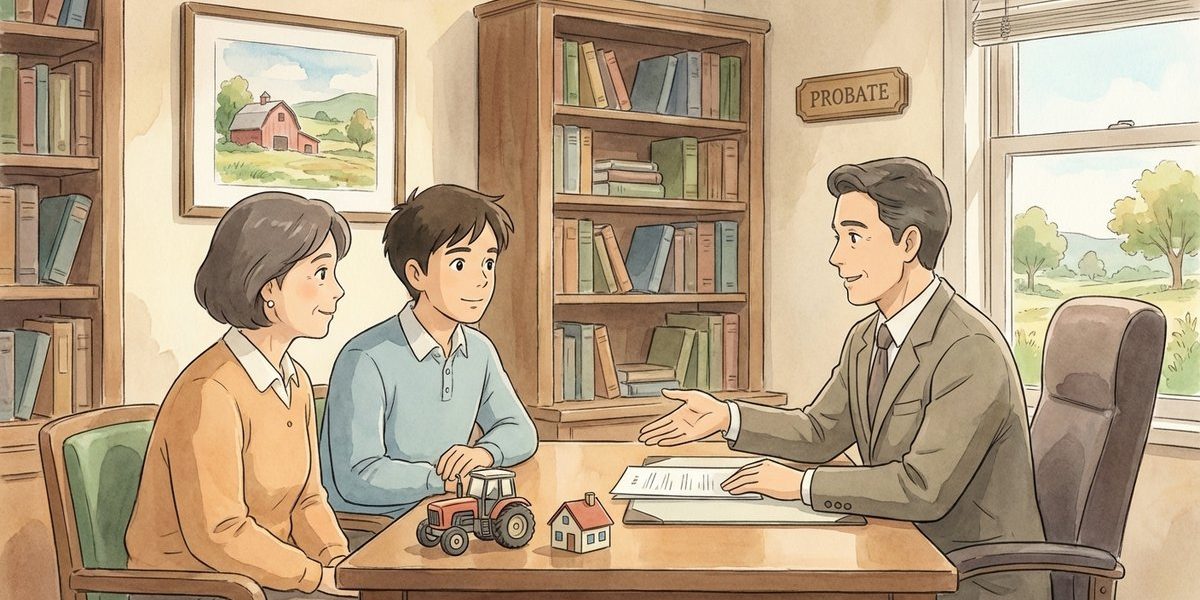
If my parent gifted farm equipment and property to me shortly before death, can creditors or the estate challenge those transfers? – North Carolina
Short Answer
Yes. In North Carolina, a transfer made shortly before death can be challenged in several ways depending on what was transferred and how it was documented. Creditors (usually through the estate’s personal representative) may be able to reach certain deathbed gifts, and a deed of gift for real estate can be ineffective against creditors if it was not timely recorded. Whether the transfer stands often turns on timing, paperwork (deeds, titles, bills of sale), and whether the estate has enough assets to pay valid debts.
Understanding the Problem
In North Carolina probate, the key question is whether a parent’s last-minute transfer of farm equipment or real property to an adult child can be treated as final, or whether the estate administration process allows the personal representative to pull that property back in to pay debts. The decision point is whether the transfer was a valid lifetime transfer that is protected against estate creditors, or whether it is the kind of transfer that can be set aside or reached when the estate cannot pay claims. This issue commonly comes up when a parent dies without a will and the family expects the child to keep the farm assets that were “given” shortly before death.
Apply the Law
North Carolina generally recognizes lifetime gifts, but creditors’ rights and estate administration rules can limit how effective a last-minute transfer is. The personal representative (appointed by the Clerk of Superior Court) has a duty to identify estate assets, determine creditor claims, and, if needed, pursue recovery of certain transfers when the estate is short of funds. Different rules can apply to (1) real estate transferred by deed of gift, (2) personal property like equipment transferred by bill of sale or title change, and (3) gifts causa mortis made in contemplation of impending death.
Key Requirements
- Valid transfer formalities: Real estate usually requires a properly executed deed and proper recording; personal property transfers often require clear evidence of delivery and ownership change (and title changes for titled equipment/vehicles).
- Creditor protection rules: Even if a transfer is valid between family members, it may not be effective against creditors if the law requires recording or if the transfer falls into a category the estate can reach to pay claims.
- Estate solvency and authority of the personal representative: If the estate lacks enough assets to pay allowed claims and expenses, the personal representative may have to pursue assets or transfers that can legally be used to satisfy those claims.
What the Statutes Say
- N.C. Gen. Stat. § 47-26 (Deeds of gift) – A deed of gift must be proved and registered within two years after the making of the deed, or it is void, and as against creditors and purchasers for value it is valid only from the time of registration.
- N.C. Gen. Stat. § 29-24 (Presumption of gift) – A gratuitous lifetime transfer is presumed to be a gift (not an advancement) unless shown otherwise.
Analysis
Apply the Rule to the Facts: The facts describe a parent who died without a will and owned real property in the parent’s sole name, plus farm-related assets. If the “gifted” property included real estate transferred by a deed of gift, the recording date matters because an unrecorded (or late-recorded) deed of gift can be ineffective against creditors under North Carolina law. If the “gifted” property included farm equipment, the estate’s personal representative will typically look for proof that ownership actually changed before death (for example, a signed bill of sale, delivery, and any required title changes), and will also evaluate whether the estate has enough assets to pay valid claims without reaching disputed transfers.
Process & Timing
- Who files: Typically the estate’s personal representative (or a creditor pushing the personal representative to act). Where: The Clerk of Superior Court in the county with jurisdiction over the estate (estate administration) and, if litigation is needed, the appropriate North Carolina trial court. What: Estate filings to open the estate and qualify a personal representative, plus any civil action needed to recover property or set aside a transfer. When: Timing depends on the type of transfer; for deeds of gift, the two-year registration rule is a major timing issue.
- Investigation step: The personal representative gathers deeds, bills of sale, equipment titles/registrations (if any), lien information, and farm operation records. Farm assets (including equipment) are typically itemized during administration, and lienholders are identified so secured claims and priorities can be evaluated.
- Resolution step: If the estate is solvent, the personal representative may not need to pursue disputed transfers. If the estate is insolvent or claims cannot be paid, the personal representative may seek to bring certain property back into the estate’s reach (depending on the legal theory) or negotiate with recipients and creditors to resolve the dispute.
Exceptions & Pitfalls
- Unrecorded or late-recorded deed of gift: A deed of gift that is not properly proved and recorded can create major problems, including being ineffective against creditors until recorded and being void if not recorded within the statutory period.
- Gifts causa mortis and estate claims: Some gifts made in contemplation of impending death can be treated differently during administration, and the personal representative may be able to take custody of those items when needed to satisfy claims.
- Fraud-type challenges when the estate cannot pay debts: When the estate lacks sufficient assets to pay claims, the personal representative may pursue recovery of property that was transferred with an intent to hinder creditors. These cases are fact-intensive and often turn on timing, documentation, and the decedent’s financial condition at the time of transfer.
- Confusing “heir” rights with “ownership” rights: Being the only heir in an intestate estate does not automatically validate a pre-death transfer. The key question is whether the decedent actually transferred ownership before death in a way the law recognizes and that holds up against creditor rights.
- Title problems and third-party ownership: Property still titled to grandparents is not automatically part of the parent’s estate, and it also cannot be “gifted” by the parent unless the parent had a transferable ownership interest. Sorting out title early can prevent expensive disputes.
Conclusion
Yes—under North Carolina law, creditors (usually through the estate’s personal representative) can sometimes challenge or reach transfers made shortly before death, especially if the estate cannot pay valid claims. Real estate deeds of gift raise a specific risk because they must be properly proved and recorded within two years after the making of the deed and are only effective against creditors from the time of registration. The practical next step is to open the estate with the Clerk of Superior Court and gather the deed, recording information, and any bills of sale or title documents so the personal representative can determine whether the transfers hold up and whether estate claims require recovery.
Talk to a Probate Attorney
If you’re dealing with a last-minute transfer of farm equipment or property and questions about creditor claims in a North Carolina estate, our firm has experienced attorneys who can help explain the options and timelines. Call us today at (919) 341-7055.
Disclaimer: This article provides general information about North Carolina law based on the single question stated above. It is not legal advice for your specific situation and does not create an attorney-client relationship. Laws, procedures, and local practice can change and may vary by county. If you have a deadline, act promptly and speak with a licensed North Carolina attorney.

