
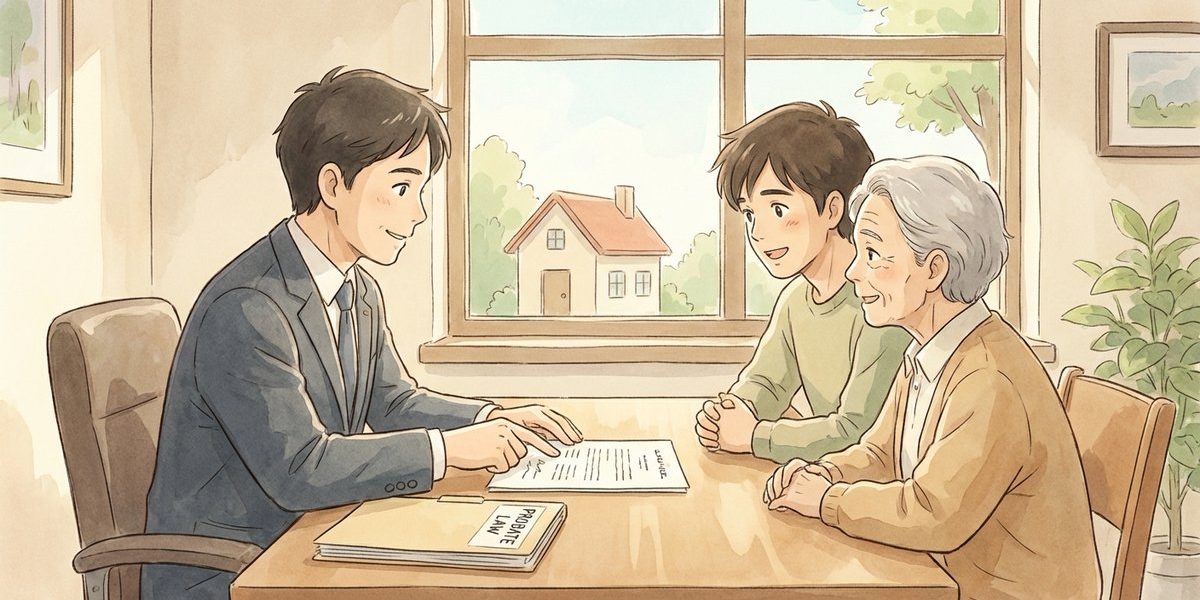
If I paid expenses and worked to save the family home and manage finances, can I be reimbursed or claim an interest in the property? – North Carolina
Short Answer
Sometimes, but it depends on who owned the home, what legal role existed, and whether there was an agreement. Under North Carolina law, paying expenses or providing help does not automatically create ownership in a home, especially if title was in a surviving spouse’s name (including by survivorship). Reimbursement is most realistic when the payer was a co-owner (a “cotenant”), when the payments were made under a written agreement, or when a court finds an equitable basis to repay documented, necessary expenses.
Understanding the Problem
In North Carolina probate situations, a common question is whether an adult child who spent personal money and significant time helping a stepparent keep the family home and manage finances can later claim repayment or an ownership interest. The decision point is whether the payments and work create a legal right against the home or other assets, even when a parent died without a located will and the surviving spouse now plans to leave assets to other relatives. The key trigger is how the home and accounts were titled at the parent’s death and whether the help was provided under an enforceable agreement or a recognized legal duty.
Apply the Law
North Carolina separates (1) who owns property after a death from (2) whether someone can be repaid for money spent. Ownership usually follows the deed, beneficiary designations, and survivorship rules, not informal family understandings. Reimbursement claims depend on the legal relationship to the property (for example, co-ownership) and the type of expense (for example, taxes, necessary repairs, mortgage interest), plus proof and timing. Probate matters are typically handled through the estate file before the Clerk of Superior Court, but some disputes (including title and equitable claims) may end up in Superior Court.
Key Requirements
- Ownership status (title controls): A claim to an ownership interest usually requires being on the deed (or inheriting an interest through the estate). Paying bills or doing work, by itself, usually does not change title.
- Right to reimbursement depends on the legal relationship: Reimbursement is most direct when the payer is a co-owner and paid certain protected categories (like taxes or necessary repairs), or when there is a valid contract or promissory note.
- Proof and documentation: Courts and estate fiduciaries generally require clear records showing what was paid, when it was paid, why it was necessary, and who benefited.
What the Statutes Say
- N.C. Gen. Stat. § 41-86 (Reimbursement of a cotenant) – Allows a co-owner in certain situations to seek contribution for necessary repairs and reimbursement for taxes and certain encumbrance payments, with important limits.
- N.C. Gen. Stat. § 41-61 (Reimbursement for expenditures made on entireties property) – Generally bars reimbursement claims between spouses (and their estates) for expenses paid on property held as tenants by the entirety during the tenancy, including when the tenancy ends by death.
- N.C. Gen. Stat. § 36C-7-709 (Trustee reimbursement) – If a trust exists and a trustee properly advanced expenses to administer it, the trustee can be reimbursed from trust assets and may have a lien on trust property.
Analysis
Apply the Rule to the Facts: The facts describe time and money spent helping a stepparent manage finances and keep the family home after a parent died with no located will. Those efforts do not automatically create an ownership interest in the home; ownership usually follows the deed and survivorship rules. Reimbursement is more likely if the payments were made under an agreement to repay, or if the client was a legal co-owner and paid categories that North Carolina treats as reimbursable between co-owners (such as taxes or necessary repairs). If the home passed to the surviving spouse by survivorship (common with married couples), the home may not have become part of the parent’s probate estate at all, which can limit estate-based reimbursement theories.
Process & Timing
- Who files: Often the personal representative (administrator) of the deceased parent’s estate, or the person seeking reimbursement if a civil claim is required. Where: The estate is opened with the Clerk of Superior Court in the county where the decedent lived; related civil claims may be filed in North Carolina Superior Court depending on the remedy sought. What: Estate opening paperwork (application for letters of administration when there is no will) and, if needed, a written creditor claim or a civil complaint based on the theory (contract, unjust enrichment, or co-tenant contribution). When: Deadlines depend on the type of claim and posture of the estate; timing can change quickly once an estate is opened and notices are published.
- Document and classify the payments: Gather proof (receipts, bank statements, canceled checks) and separate payments into categories such as property taxes, insurance, mortgage principal, mortgage interest, utilities, and repairs. North Carolina treats some categories differently for reimbursement purposes, especially when co-ownership exists.
- Choose the right legal theory and forum: If the client is not on title, the claim often focuses on repayment (contract or equitable reimbursement) rather than ownership. If the client is on title as a co-owner, a contribution claim under the cotenant statute may apply, and a partition-related accounting may become relevant if co-owners cannot agree.
Exceptions & Pitfalls
- Survivorship and “non-probate” transfers: If the home was owned by the spouses with survivorship (such as tenancy by the entirety), it typically passes to the surviving spouse outside probate, which can leave little or no “estate property” to attach an ownership claim to.
- Co-ownership limits and “exclusive possession” issues: Even when someone is a co-owner, North Carolina limits reimbursement for certain items if the payer had exclusive possession of the property during the relevant time period.
- Entireties reimbursement rule is narrow but powerful: North Carolina has a specific statute that generally blocks reimbursement claims between spouses (and their estates) for expenses paid on entireties property during the marriage and even when the tenancy ends by death. This often surprises families who assumed the estate could “true up” who paid what.
- “Work” and caregiving are hard to convert into money claims: Time spent helping manage finances or maintain a home may not be reimbursable without a clear agreement for compensation. Courts often treat family help as voluntary unless there is strong proof otherwise.
- Mixing funds and missing records: Cash payments, undocumented reimbursements, and shared accounts can make it difficult to prove what was paid and for whose benefit.
Conclusion
In North Carolina, paying expenses and providing help to keep a family home usually does not create an automatic ownership interest. Reimbursement is most likely when the payer was a co-owner with rights under the cotenant reimbursement statute, or when there was a clear agreement to repay, supported by records. If the home passed to a surviving spouse by survivorship, probate may not control the home at all. A practical next step is to open (or review) the estate file with the Clerk of Superior Court and promptly submit a documented claim for reimbursement if a deadline is running.
Talk to a Probate Attorney
If a family member paid bills or put in significant work to keep a home afloat and is now being cut out, a North Carolina probate attorney can help sort out title, survivorship issues, and whether a reimbursement claim is realistic. Call us today at (919) 341-7055.
Disclaimer: This article provides general information about North Carolina law based on the single question stated above. It is not legal advice for your specific situation and does not create an attorney-client relationship. Laws, procedures, and local practice can change and may vary by county. If you have a deadline, act promptly and speak with a licensed North Carolina attorney.

