
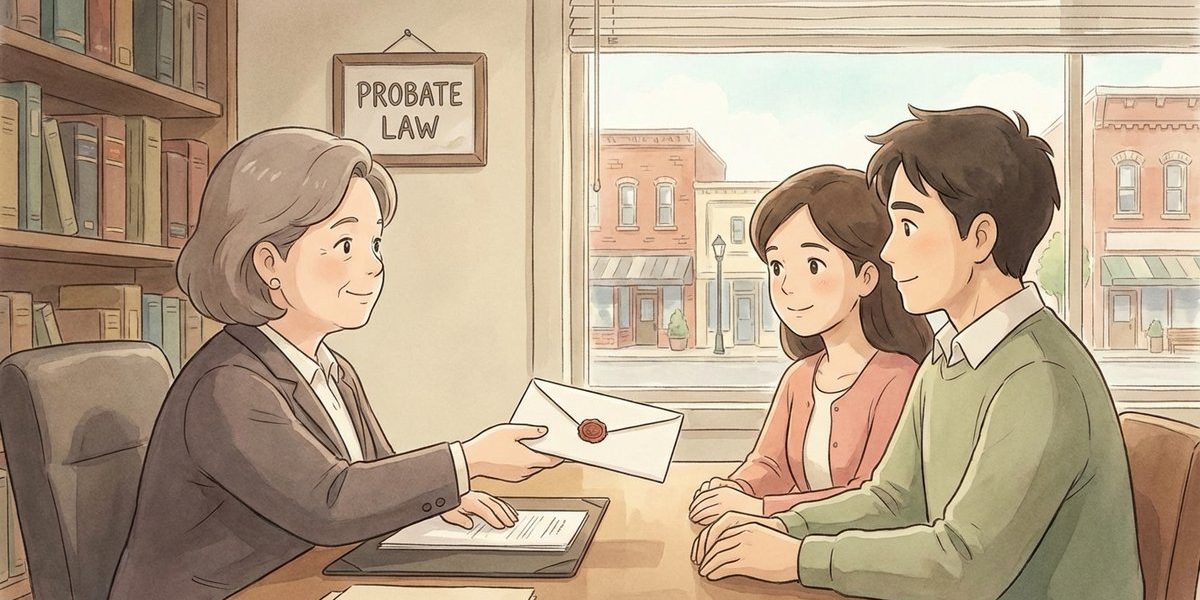
How will I receive the probate letters once they are issued, and how long does it usually take after the revision is filed? – North Carolina
Short Answer
In North Carolina, probate “letters” (letters testamentary or letters of administration) are issued by the Clerk of Superior Court after the personal representative qualifies. How they are received depends on the county’s process: many clerks provide certified letters at the counter (or by mail if requested), and some counties also make an electronic copy available through the estate file. Timing after a “revision” is filed varies by county and by what the clerk needs to review, but letters are typically issued only after the clerk approves the updated paperwork and any required oath and bond are complete.
Understanding the Problem
In North Carolina probate, the key question is: after the Clerk of Superior Court enters an order authorizing issuance of letters, how are the letters actually delivered, and what usually causes a delay between a corrected or revised filing and the letters being issued. The actor is the Clerk of Superior Court (and assistant clerks) in the county where the estate is pending, and the trigger is the clerk’s acceptance of the qualification package (including any required revisions) so the clerk can issue the letters that prove the appointment.
Apply the Law
North Carolina gives the Clerk of Superior Court exclusive original jurisdiction over probate and estate administration. The clerk issues letters only after the personal representative “qualifies,” which generally means the clerk has an acceptable application on file, an oath has been taken, and any required bond is addressed. If the clerk’s online record shows an order authorizing issuance, the remaining step is usually administrative: the clerk’s office must finalize the letters and provide certified copies for use with banks, title companies, and other institutions.
Key Requirements
- Qualification is complete: The clerk must have a complete, acceptable application and supporting documents, plus the personal representative’s oath (often notarized) and any required bond or waiver.
- Any required notice/priority issues are resolved: If someone else has equal or higher priority to serve and has not renounced, the clerk may need a waiting period after notice before issuing letters.
- Clerk’s issuance and certification: Letters are not just “authorized”; they must be issued and (in practice) certified so third parties will accept them as proof of authority.
What the Statutes Say
- N.C. Gen. Stat. § 7A-241 (Probate jurisdiction) – Gives the Clerk of Superior Court authority over probate and estate administration in North Carolina.
Analysis
Apply the Rule to the Facts: The online entry showing a qualification date and an order authorizing issuance usually means the clerk has approved the appointment in principle, but the letters may still be in the “to be issued/printed/certified” stage. If a revision was filed (for example, a corrected application, corrected name, updated bond information, or a missing renunciation), the clerk typically will not issue letters until the revised item is reviewed and accepted into the estate record. If the revision affects priority or notice (such as adding an interested person with equal priority), the clerk may need additional steps before issuing letters.
Process & Timing
- Who provides the letters: The Clerk of Superior Court (Estates/Probate division). Where: The clerk’s office in the county where the estate is filed. What: Certified copies of “Letters Testamentary” (if there is a will) or “Letters of Administration” (if there is no will). When: After the clerk accepts the final, corrected qualification paperwork and the oath/bond requirements are satisfied.
- How they are received: Many counties provide letters for pickup at the clerk’s office once issued; some will mail certified letters if requested and a mailing address is confirmed. Some counties also upload a file-stamped copy to the electronic case record, but third parties often still require a certified copy from the clerk.
- How long after a revision is filed: There is no single statewide turnaround time. In routine situations, letters may be issued shortly after the clerk reviews and accepts the revision, but delays are common when the clerk needs additional documents, needs a corrected oath/bond, or must address notice/priority issues. County staffing and local practice also affect timing.
Exceptions & Pitfalls
- “Order authorizing” is not the same as “letters issued”: Online docket language can show approval while the letters still need to be generated, signed, sealed, and certified by the clerk’s office.
- Revisions that trigger more review: Corrections involving the personal representative’s identity, the will status, bond, or priority/renunciations often take longer than minor clerical fixes.
- Using unofficial copies: Banks and other institutions commonly reject non-certified printouts. Asking the clerk for certified letters (and enough copies) avoids repeat trips and delays.
For more background on the qualification paperwork and what the clerk typically needs before issuing letters, see paperwork needed to be officially appointed and documents typically signed to receive letters.
Conclusion
In North Carolina, probate letters come from the Clerk of Superior Court and are issued only after the personal representative’s qualification is complete, including acceptance of any revised filing and completion of the oath and any bond requirements. An online order authorizing issuance often means the clerk has approved the appointment, but the letters may still be pending printing/certification. The most practical next step is to request certified letters from the clerk’s estates division after confirming the revision has been accepted into the file.
Talk to a Probate Attorney
If a probate case shows an order authorizing letters but the letters still have not issued, our firm has experienced attorneys who can help clarify what the clerk is waiting on and what can be done to keep the estate moving. Call us today at (919) 341-7055.
Disclaimer: This article provides general information about North Carolina law based on the single question stated above. It is not legal advice for your specific situation and does not create an attorney-client relationship. Laws, procedures, and local practice can change and may vary by county. If you have a deadline, act promptly and speak with a licensed North Carolina attorney.

