
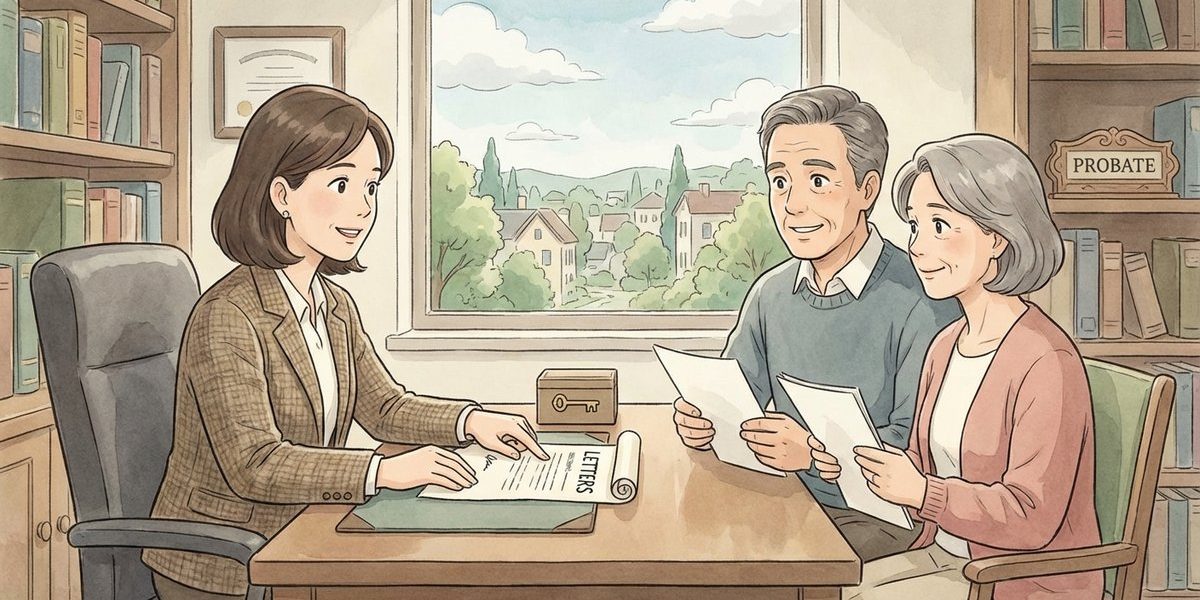
How do we open probate and get legal authority to deal with bank accounts, a safe deposit box, vehicles, and personal property? – North Carolina
Short Answer
In North Carolina, legal authority to deal with a deceased person’s bank accounts, safe deposit box, vehicles, and personal property usually comes from the Clerk of Superior Court issuing Letters Testamentary (if there is a will) or Letters of Administration (if there is no will available to probate). Probate is opened by filing the will (if available) and an application to qualify a personal representative in the county where the decedent lived. If the most recent original will cannot be found, the estate may need a “lost will” process or an initial intestate appointment to protect assets while the will issue gets resolved.
Understanding the Problem
In North Carolina probate, the key question is: who has authority to act for the estate when a newer will is suspected but the original has not been produced. The actor is the person seeking to be appointed as the estate’s personal representative, and the relief is an order from the Clerk of Superior Court that allows access to and control over estate property. The trigger is the death of the decedent and the need for a court-issued document that banks, the DMV, and others will accept as proof of authority.
Apply the Law
North Carolina gives the Clerk of Superior Court (as judge of probate) the authority to probate wills and appoint personal representatives. The document that typically unlocks practical control over accounts and property is the clerk-issued Letters (Letters Testamentary or Letters of Administration). If there is a dispute about who should serve, or if someone is claiming to be “executor” without qualifying, the clerk can decide appointment issues and, in some situations, the dispute can become a contested estate matter.
Key Requirements
- Proper forum (right county and office): The estate is opened with the Clerk of Superior Court in the county where the decedent was domiciled (lived) at death.
- Appointment/qualification of a personal representative: A person must apply to qualify, take required steps (often including an oath and sometimes a bond), and receive clerk-issued Letters before most third parties will release assets.
- Correct “will posture” (will produced, will on deposit, or will missing): If an original will exists, it should be filed for probate. If the original cannot be found but a newer will is believed to exist, the estate may need a safe-deposit-box inventory, a clerk search for a will deposited for safekeeping, and possibly a lost-will proceeding or an interim intestate administration to preserve assets.
What the Statutes Say
- N.C. Gen. Stat. § 7A-241 (Probate jurisdiction) – Gives the clerk authority over probate of wills and administration of estates.
- N.C. Gen. Stat. § 31-11 (Will safekeeping with clerk) – Allows a person to deposit a will with the clerk for safekeeping during life, which can matter when an original will is missing.
- N.C. Gen. Stat. § 31-32 (Caveat) – Allows an interested person to challenge a will’s probate within the statutory time window.
- N.C. Gen. Stat. § 31-36 (Effect of caveat) – Limits distributions while a caveat is pending and focuses the personal representative on preserving assets and paying allowed expenses.
- N.C. Gen. Stat. § 53C-6-6 (Multiple-party accounts at banks) – Addresses survivorship rights in certain joint bank accounts, while estate claims may still arise in some circumstances.
Analysis
Apply the Rule to the Facts: Here, the family needs clerk-issued Letters to deal with bank accounts, a safe deposit box, vehicles, and personal property, but the most recent original will has not been produced and someone else is claiming to be executor without taking action. Under North Carolina practice, that “executor” title generally does not function with banks or the DMV until the person actually qualifies and receives Letters from the Clerk of Superior Court. Because a newer will is suspected, the immediate focus is (1) locating the original will (including checking whether it was deposited with the clerk and whether it is in a safe deposit box) and (2) getting a qualified personal representative appointed so assets can be secured while the will issue is addressed.
Process & Timing
- Who files: A person with priority to serve (often a named executor in the will, or an heir if no will is available). Where: The Estates Division of the Clerk of Superior Court in the county where the decedent lived at death. What: An application to probate the will and qualify (if an original will is available), or an application to qualify as administrator if no will can be produced yet; the clerk then issues Letters Testamentary or Letters of Administration. When: As soon as practical after death, especially if accounts must be accessed, property must be secured, or bills must be handled.
- Locate the will before (or alongside) qualification when possible: A thorough search of personal papers is typically needed to confirm whether a later will or codicil exists. If the will may be in a safe deposit box, the box often must be sealed and opened through an inventory process; some counties require the inventory before qualification if the will is believed to be inside. If the will may have been deposited for safekeeping with the clerk, a manual search request may be needed because it may not be automatically checked when an estate file is opened.
- Use Letters to collect and retitle assets: Once Letters are issued, the personal representative can request date-of-death balances, close or retitle estate accounts, arrange for safe deposit box access consistent with clerk procedures, and handle vehicles and personal property as part of the estate administration. Institutions commonly require certified copies of the Letters and (if applicable) the will.
Exceptions & Pitfalls
- “Executor” without qualification: A person can possess the original will and claim authority, but banks and other third parties usually will not accept that claim without clerk-issued Letters.
- Safe deposit box missteps: Entering a safe deposit box after death can create delays. Clerks may require sworn explanations and inventories if a box was opened without following the expected process. If the key is missing, drilling may be required and should be coordinated so the inventory can occur immediately after opening.
- Missing original will: If a newer will is believed to exist but cannot be produced, the estate may need a court process to admit a copy/duplicate (or otherwise address a lost will) before the clerk will treat it as the controlling will. In the meantime, an intestate appointment may be considered to preserve assets, depending on the situation and local practice.
- Non-probate assets: Some bank accounts pass by survivorship or beneficiary designation and may not be controlled by the estate, even after probate opens. That can change what “authority” is needed for a particular account.
- Contested administration: If a dispute develops over who should serve as personal representative, North Carolina procedure can require a verified petition and formal service, and the clerk decides the issue subject to appeal rules.
For more on will-location and access issues, see how to find and get a copy of the most recent will and opening a safe deposit box that likely holds the will.
Conclusion
In North Carolina, the practical authority to handle bank accounts, a safe deposit box, vehicles, and personal property usually comes only after the Clerk of Superior Court appoints a personal representative and issues Letters Testamentary or Letters of Administration. When a newer original will is missing, the estate often must first locate it (including checking clerk safekeeping and safe deposit box inventory procedures) or use a court process to address a lost will. The next step is to file to qualify with the Clerk of Superior Court in the decedent’s county of residence so Letters can be issued.
Talk to a Probate Attorney
If a family is dealing with a missing original will and needs court-issued authority to access accounts, a safe deposit box, vehicles, and personal property, our firm has experienced attorneys who can help explain options and timelines and coordinate the clerk process. Call us today at 919-341-7055.
Disclaimer: This article provides general information about North Carolina law based on the single question stated above. It is not legal advice for your specific situation and does not create an attorney-client relationship. Laws, procedures, and local practice can change and may vary by county. If you have a deadline, act promptly and speak with a licensed North Carolina attorney.

