
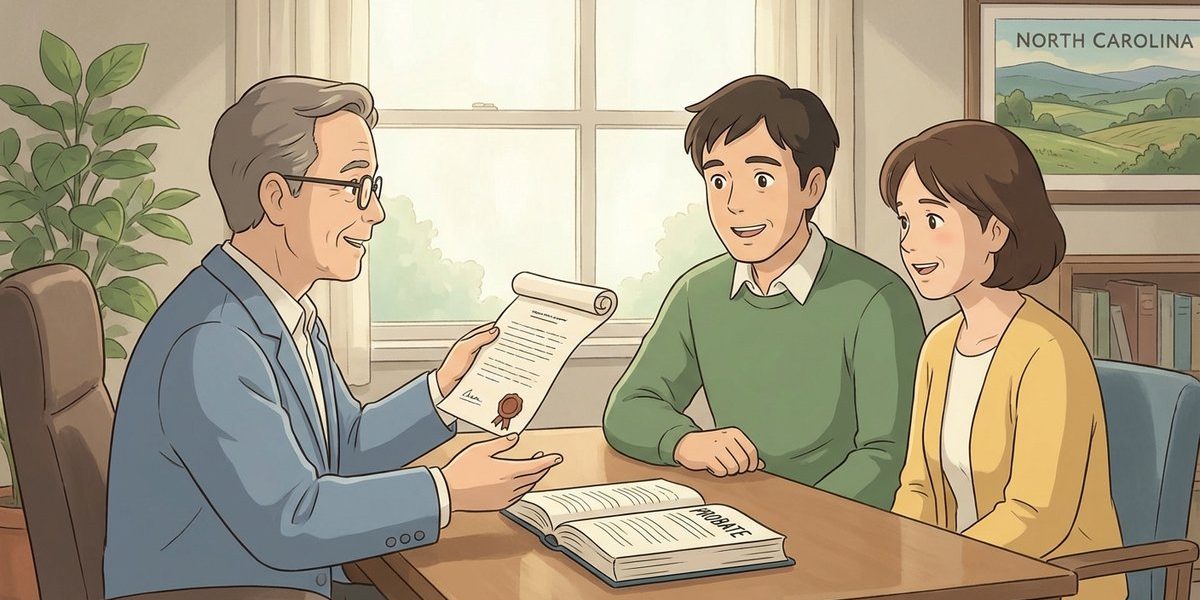
How do we confirm who has authority to communicate and make decisions for the estate during the property sale process? – North Carolina
Short Answer
In North Carolina, the person with authority to speak for and make decisions for an estate during a real estate sale is usually the court-appointed personal representative (executor or administrator). Authority is confirmed by checking the estate file with the Clerk of Superior Court and reviewing the current Letters Testamentary or Letters of Administration. If no personal representative has been appointed, the “estate” typically has no single decision-maker, and the heirs or devisees may need to act together (or open an estate) before a sale can move forward cleanly.
Understanding the Problem
In a North Carolina property sale connected to a death, the key question is: who has legal authority to communicate with the closing attorney, sign listing or sale documents, accept an offer, and give binding instructions for the estate. The answer depends on whether a personal representative has been appointed, whether the property is being sold by the heirs/devisees versus sold through an estate sale process, and whether court involvement is required. The trigger is usually the point when a contract, deed, or court filing is needed to transfer good title.
Apply the Law
North Carolina generally treats the personal representative (PR) as the estate’s authorized decision-maker once the PR qualifies with the Clerk of Superior Court and receives Letters. Real estate often vests in heirs or devisees at death, but the PR can still have important powers over the property during administration, including taking control when needed for administration and, in some situations, joining in a sale so the buyer receives good title. If a court-ordered sale is required, the Clerk’s order will identify who is authorized to conduct the sale.
Key Requirements
- Confirm a PR is appointed: Look for an open estate file and a currently serving executor/administrator (not just a family spokesperson or an “heirs’ attorney”).
- Verify the PR’s proof of authority: Review the PR’s Letters (and any limitations) and confirm the PR has not resigned, been removed, or been replaced.
- Match the authority to the type of sale: Determine whether the PR can sell under a power of sale in the will/authority granted by law, whether the heirs/devisees are selling with the PR joining, or whether a special proceeding/court order is required.
What the Statutes Say
- N.C. Gen. Stat. § 1-339.4 (Who may hold judicial sale) – In a proceeding to sell a decedent’s property, the court may authorize the executor, administrator, or collector (or a commissioner) to hold the sale.
- N.C. Gen. Stat. § 1-339.33 (Private sale; order of sale) – When a private judicial sale is ordered, the order must designate the person authorized to make the sale and describe the property and terms.
Analysis
Apply the Rule to the Facts: Here, an attorney for heirs is working with the family on selling real property the decedent owned. The first step is confirming whether a North Carolina estate has been opened and whether a PR has qualified, because that PR is typically the person authorized to give binding instructions for the estate and sign estate-side documents. If no PR exists, the “estate” usually cannot speak with one voice, and the sale process often shifts to (1) opening an estate so a PR can act, or (2) having all heirs/devisees participate in decisions and signatures, with the PR joining if an estate is open and the PR’s participation is required for good title.
Process & Timing
- Who confirms authority: The closing attorney, real estate attorney, or heirs’ counsel typically confirms. Where: The Clerk of Superior Court (Estates) in the county where the estate is administered. What: Obtain and review Letters Testamentary (executor) or Letters of Administration (administrator), plus the file showing the current PR appointment. When: Before accepting an offer, signing a contract, or scheduling closing.
- Check for limits and changes: Review whether there are co-personal representatives who must act together, whether the PR’s authority is restricted by a court order, and whether a resignation/removal/substitution has occurred since the Letters were issued.
- Match the paperwork to the sale path: If the sale requires a court-ordered/judicial sale, confirm the order of sale identifies who is authorized to sell and whether it is public or private; if it is a private judicial sale, confirm the order designates the authorized seller and terms.
Exceptions & Pitfalls
- Assuming “next of kin” can sign: A spouse or adult child may be the point of contact, but that does not automatically create authority to bind the estate in a sale.
- Outdated Letters: Letters can become stale for practical purposes in closings if they are old or if the PR changed; many closings require a recently certified copy from the Clerk.
- Multiple decision-makers: Co-executors/co-administrators may need to act jointly, and heirs/devisees may all need to sign certain documents if the transaction is structured as an heirs’ sale rather than an estate sale.
- Wrong sale procedure: If a judicial/special proceeding sale is required, the court’s order controls who may sell and on what terms; skipping that step can stop a closing.
- Confusing “heirs’ attorney” with estate authority: An attorney may represent heirs, but only the PR (or a court-appointed commissioner in a judicial sale) typically has authority to act for the estate itself.
Conclusion
In North Carolina, authority to communicate and make decisions for an estate during a real estate sale is usually confirmed by identifying the currently serving personal representative and reviewing the Letters issued by the Clerk of Superior Court. If a court-ordered sale is involved, the order of sale will designate who is authorized to sell. The practical next step is to obtain a certified copy of the current Letters (and any relevant court orders) from the estate file before a contract is signed or closing is scheduled.
Talk to a Probate Attorney
If you’re dealing with a probate-related property sale and there is uncertainty about who can give instructions or sign for the estate, our firm has experienced attorneys who can help you understand your options and timelines. Call us today at [CONTACT NUMBER].
Disclaimer: This article provides general information about North Carolina law based on the single question stated above. It is not legal advice for your specific situation and does not create an attorney-client relationship. Laws, procedures, and local practice can change and may vary by county. If you have a deadline, act promptly and speak with a licensed North Carolina attorney.

