
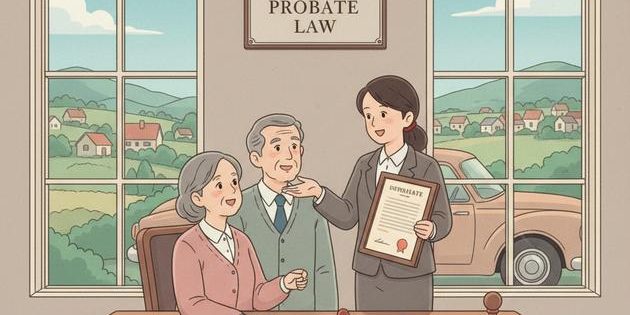
How do I transfer title and registration for vehicles that are part of an estate, and can anyone drive them before the case is finished? – North Carolina
Short Answer
In North Carolina, motor vehicles titled in a decedent’s name are estate assets, and the personal representative (executor or administrator) usually signs the title and submits required documents to the Division of Motor Vehicles (DMV) to transfer title and registration to the buyer or beneficiary. In some small or no‑administration estates, heirs may use a DMV affidavit procedure instead of full probate. While an estate is open, only the personal representative or someone authorized and insured by the personal representative should drive estate vehicles, and they should do so only for proper estate purposes, not personal use.
Understanding the Problem
The central question is how North Carolina probate law and DMV rules work together when a deceased person owned one or more vehicles, and those vehicles now sit in the estate while probate is pending. Common concerns include who has the legal authority to sign the title, what forms and proof the DMV requires, how quickly vehicles should be transferred, and whether family members can continue to drive them before the court closes the estate. The focus is on North Carolina estates where a personal representative has qualified, probate is underway, and vehicles still show the decedent as the titled owner.
Apply the Law
Under North Carolina law, a will that has been probated passes title to the decedent’s property, including vehicles, but the personal representative controls and transfers estate assets during administration. For vehicles, North Carolina’s motor vehicle statutes treat transfers at death as transfers “by operation of law” or “upon inheritance or devise,” and the DMV must see proper authority (such as Letters Testamentary or Administration, a will, or a qualifying affidavit) to retitle the vehicle. The main forum is the clerk of superior court (for appointing the personal representative) and the North Carolina Division of Motor Vehicles (for title and registration). Timing matters because vehicles depreciate, insurance and property taxes continue, and some simplified DMV procedures are only available when no estate administration is opened.
Key Requirements
- Estate authority in place: A personal representative must be formally appointed by the clerk of superior court (or a no‑administration/affidavit path must apply) before signing titles or directing DMV transfers.
- Proper DMV documentation: To transfer title and registration, the DMV generally requires the original certificate of title signed by the personal representative, certified Letters, a certified death certificate, and completed DMV title/registration forms with proof of insurance and tax listing.
- Proper use and control of vehicles: While the estate is open, vehicles remain estate assets; the personal representative must safeguard them, keep them insured, and limit driving to authorized, estate‑related purposes, not free personal use by heirs.
What the Statutes Say
- N.C. Gen. Stat. § 20-77 (Transfer by operation of law; inheritance or devise) – Allows DMV to transfer title and license upon inheritance or devise when it receives a will, Letters, a spousal year’s allowance certificate, or a qualifying heirs’ affidavit.
- N.C. Gen. Stat. § 31-39 (Probate necessary to pass title) – Provides that a duly probated will is effective to pass title to real and personal property, including vehicles.
Analysis
Apply the Rule to the Facts: In a typical North Carolina probate where a personal representative has qualified, that person has the duty to identify all vehicles, confirm how they are titled, maintain insurance, and then transfer or sell them according to the will or intestacy rules. If a vehicle is in the decedent’s sole name, the personal representative normally signs the back of the title as seller, provides certified Letters and a death certificate, and the beneficiary or buyer completes the DMV title application and insurance certification. If there were no formal administration, and the estate is small and meets the conditions in the statute, the heirs might instead use DMV’s affidavit process to transfer title without opening a full estate.
Process & Timing
- Who files: The personal representative (executor or administrator). Where: First with the Clerk of Superior Court in the North Carolina county where the decedent lived (for appointment, if not already done), then with the North Carolina Division of Motor Vehicles or a local license plate agency (for title/registration). What: Original certificate of title endorsed by the personal representative; certified Letters Testamentary or Letters of Administration; certified death certificate; DMV title application (often on the reverse of the title or on Form MVR-1); any required odometer disclosure form; proof of liability insurance; and payment of title and registration fees. When: As soon as reasonably practical after qualification, once beneficiaries or sale decisions are clear.
- The DMV or local license plate agency processes the documents, verifies authority and insurance, and issues a new certificate of title and registration in the name of the beneficiary or purchaser. Processing time can vary by office and volume but often occurs at the counter or within a few weeks if mailed.
- The personal representative updates the estate inventory and account to show the transfer or sale, and once all assets and claims are handled, files a final account with the clerk of superior court to close the estate.
Exceptions & Pitfalls
- No administration / small estate transfers: If no personal representative has qualified and the estate is small, N.C. Gen. Stat. § 20-77(b) allows DMV to transfer title based on an heirs’ affidavit (often using DMV Form MVR‑317) when statutory conditions are met.
- Joint ownership or survivorship: If a vehicle was titled with a surviving co‑owner with right of survivorship, DMV may transfer title to the survivor with only the existing title and a death certificate, instead of running the vehicle through the estate.
- Insurance and liability risk: Letting family members drive estate vehicles for personal reasons can create uninsured or underinsured liability if coverage lapses or does not match actual use. The personal representative should confirm coverage, limit use, and consider parking or selling vehicles promptly.
- Trusts and complex beneficiaries: Transfers to a trustee or to certain entities can be more cumbersome at local license agencies, and DMV headquarters guidance may be needed for correct titling.
- Unclear authority: Signing the title without proper appointment or without providing certified Letters can result in DMV rejection or later title challenges. Only someone with clear legal authority, or qualified heirs using the statutory affidavit route, should sign.
Conclusion
In North Carolina probate, vehicles titled in the decedent’s name are estate assets, and a duly appointed personal representative normally handles transferring title and registration through the DMV using the signed original title, certified Letters, a death certificate, and required DMV forms. In limited small or no‑administration estates, heirs may instead use a statutory affidavit process under N.C. Gen. Stat. § 20-77(b). To protect the estate and manage liability, the key next step is for the personal representative to confirm authority, insurance, and intended disposition of each vehicle and then complete the DMV transfer promptly.
Talk to a Probate Attorney
If an estate in North Carolina involves vehicles and there are questions about title transfer, DMV requirements, or who may safely drive the vehicles during probate, our firm has experienced attorneys who can help clarify the options and timelines. Call us today at (919) 341-7055.
Disclaimer: This article provides general information about North Carolina law based on the single question stated above. It is not legal advice for any specific situation and does not create an attorney-client relationship. Laws, procedures, and local practice can change and may vary by county. If there is a deadline, act promptly and speak with a licensed North Carolina attorney.

