
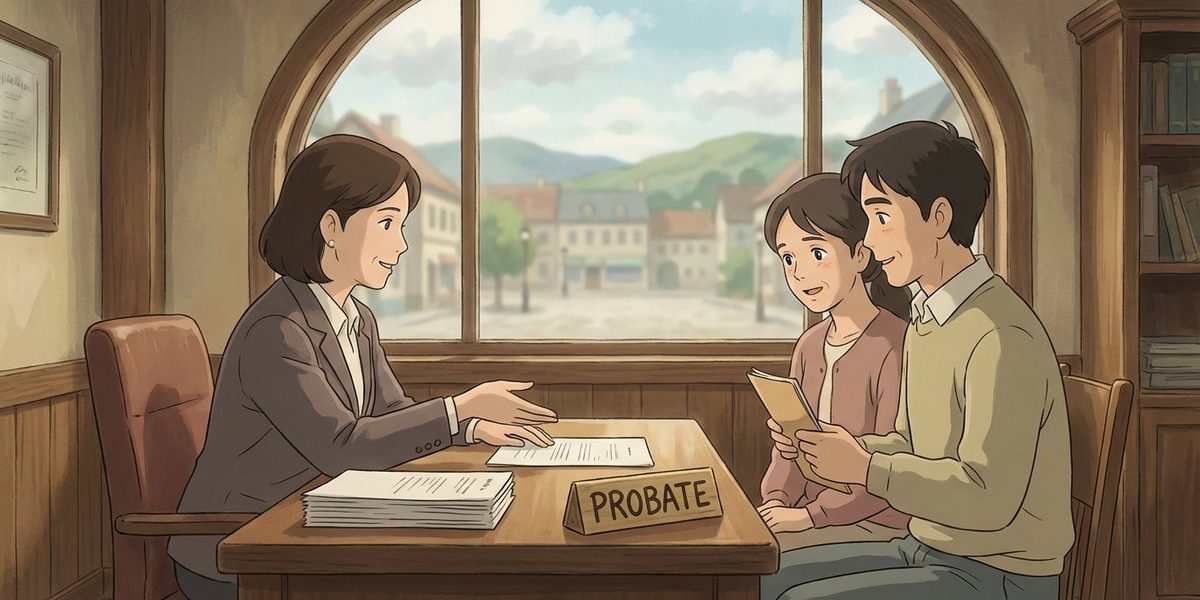
How do I start the process to be officially appointed to handle my spouse’s estate when there is a will? – North Carolina
Short Answer
In North Carolina, the process usually starts by taking the original will and a certified death certificate to the Clerk of Superior Court in the county where the spouse lived at death and applying to qualify as the executor (personal representative). After the clerk accepts the will for probate and approves the application, the clerk issues “letters testamentary,” which are the court papers that prove the legal authority to act for the estate. Depending on the will, residency, and local clerk practice, an oath and sometimes a bond (or other requirements) may apply before letters are issued.
Understanding the Problem
When a spouse dies in North Carolina leaving a will, the key question is: how does the surviving spouse get officially appointed by the Clerk of Superior Court to act as the executor (also called the personal representative) so banks, title offices, and other institutions will recognize that authority? The trigger is the death of the person who made the will, and the practical goal is getting the court-issued letters that allow the executor to collect information, secure property, and begin administration. This question focuses only on the first step—getting appointed—not on everything that happens later in the estate.
Apply the Law
North Carolina places probate and estate administration under the Clerk of Superior Court (the clerk acts as the probate judge). The usual starting point is to file the will for probate and submit an application to qualify as the personal representative in the proper county. If the clerk is satisfied the will is valid (often because it is “self-proved” with notarized witness affidavits, or because proof is otherwise provided), the clerk can admit the will to probate and issue letters testamentary. Those letters are what third parties typically require before releasing estate assets or changing titles.
Key Requirements
- File in the right place: Probate is handled through the Clerk of Superior Court, usually in the county where the decedent was domiciled at death.
- Provide the core documents: The clerk typically needs the original will and a death certificate to open the estate file and evaluate probate.
- Qualify as personal representative: Qualification generally includes an application, an oath, and bond if required (bond requirements often depend on the will’s terms, residency, and local clerk practice).
What the Statutes Say
- N.C. Gen. Stat. § 7A-241 (Probate jurisdiction) – Gives the Clerk of Superior Court authority over probate of wills and estate administration.
- N.C. Gen. Stat. § 31-11.6 (Self-proved wills) – Explains how a will can be made “self-proved,” which can streamline the clerk’s acceptance of the will for probate.
Analysis
Apply the Rule to the Facts: Here, the surviving spouse has the original will and a death certificate, which are the two items that typically allow the clerk to start the probate file and evaluate the will for probate. Because there is a minor child and multiple assets with unknown beneficiaries, third parties may insist on seeing letters testamentary before sharing information or releasing property, so getting qualified early often matters. A request from a parent for personal belongings is a common pressure point; until letters issue, the person holding the will may have limited authority to distribute property, and the safer first move is usually to secure items and start the clerk process.
Process & Timing
- Who files: The person named as executor in the will (often the surviving spouse). Where: The Clerk of Superior Court (Estates/Probate) in the county where the decedent lived at death. What: File the original will and start the qualification application to be appointed; the clerk will typically require an oath and may require bond depending on the will and circumstances. When: As soon as practical after death, especially if assets need to be secured or information must be obtained from banks and other institutions.
- Clerk review and probate: The clerk reviews the will for probate. If the will is self-proved, the clerk can often proceed without tracking down witnesses; if not, the clerk may require additional proof before admitting the will.
- Letters issued: Once the clerk approves qualification, the clerk issues letters testamentary. Those letters are then used to request date-of-death account information, retitle certain assets, and take other estate administration steps.
Exceptions & Pitfalls
- Bond and residency issues: Even when a will tries to waive bond, bond requirements can still come up depending on the personal representative’s residency and local clerk practice; some situations also require appointing an in-state process agent for service.
- Not all assets are controlled by the will: Some assets pass outside probate (for example, accounts with payable-on-death beneficiaries or jointly owned property). Unknown beneficiaries can create uncertainty, but letters are still often needed to investigate and confirm what is probate versus non-probate.
- Family pressure over personal items: Handing out personal property before appointment can create disputes later, especially with a minor child involved. A safer approach is to inventory and secure items first, then distribute according to the will and the estate process.
For more background on opening an estate and getting court authority, see open a new estate with the clerk of court and get appointed as executor and obtain the court letters.
Conclusion
In North Carolina, getting officially appointed to handle a spouse’s estate with a will usually means filing the original will with the Clerk of Superior Court in the proper county and completing the qualification steps so the clerk can issue letters testamentary. Those letters are the proof of authority that banks and other institutions rely on. The most important next step is to file the will and apply to qualify with the Clerk of Superior Court as soon as practical after death so letters can be issued.
Talk to a Probate Attorney
If you’re dealing with starting probate after a spouse’s death and need to be appointed to act under a will, our firm has experienced attorneys who can help explain the steps, paperwork, and timelines. Call us today at 919-341-7055.
Disclaimer: This article provides general information about North Carolina law based on the single question stated above. It is not legal advice for your specific situation and does not create an attorney-client relationship. Laws, procedures, and local practice can change and may vary by county. If you have a deadline, act promptly and speak with a licensed North Carolina attorney.

