
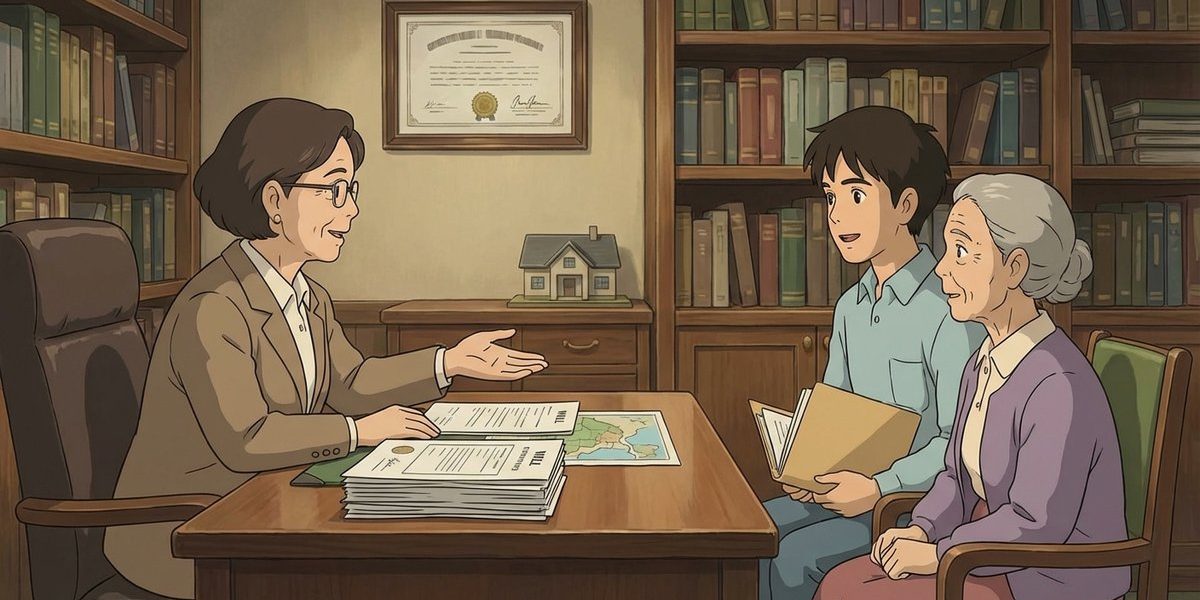
How do I start probate for a deceased relative’s real property when no estate has been opened yet? – North Carolina
Short Answer
In North Carolina, probate (estate administration) usually starts by filing an application with the Clerk of Superior Court in the proper county to have a personal representative appointed. If there is a will, the process typically starts with offering the will for probate and requesting “letters testamentary.” If there is no will (or no will can be found), an eligible person asks for “letters of administration” so someone has legal authority to deal with estate tasks that can affect real property, like signing estate documents, paying valid claims, and handling court-required filings.
Understanding the Problem
In North Carolina, when a relative dies owning real property and no estate file exists yet, the key question is: who can ask the Clerk of Superior Court to open an estate and appoint someone with authority to act? The decision point is whether there is a will that can be offered for probate or whether the estate must be opened as an intestate estate (no will). The goal is to get the correct court appointment in place so the estate has a recognized decision-maker for property-related steps.
Apply the Law
North Carolina gives the Clerk of Superior Court (acting as the judge of probate) original authority over probate and estate administration. The usual starting point is an application to the clerk to (1) probate a will and appoint an executor, or (2) appoint an administrator if there is no will. For real property issues, timing can matter because a will generally must be probated to be effective to pass title, and North Carolina law sets a two-year window that can affect lien creditors and purchasers in certain situations.
Key Requirements
- Proper court and venue: The application is filed with the Clerk of Superior Court that has jurisdiction over the decedent’s estate (typically tied to where the decedent lived at death, or where property is located if needed for venue).
- Right person applies (priority/renunciations): The clerk generally follows a priority list for who may serve. If multiple people share the same priority (for example, multiple adult children), the clerk often requires renunciations from the others before appointing one person, unless the clerk decides otherwise under the statute.
- Proof of death and basic estate information: The clerk typically requires acceptable evidence of death and enough information to identify heirs/beneficiaries and the nature of the assets (including whether real property exists).
What the Statutes Say
- N.C. Gen. Stat. § 7A-241 (Probate jurisdiction) – Gives the Clerk of Superior Court original jurisdiction over probate and estate administration.
- N.C. Gen. Stat. § 31-39 (Probate necessary to pass title; two-year rule) – Explains why probating a will matters for title and sets a two-year limitation that can affect lien creditors and purchasers in certain situations.
- N.C. Gen. Stat. § 1-301.3 (Clerk decides estate matters; appeal) – Describes the clerk’s role in deciding estate issues and the short appeal window for clerk orders in covered estate matters.
Analysis
Apply the Rule to the Facts: Here, the family believes the decedent owned real property in North Carolina, but the probate records show no open estate and no will on file. That usually means no one currently has “letters” from the Clerk of Superior Court, so there is no court-appointed person with authority to sign estate paperwork or take formal steps that can affect the property. The practical next step is identifying whether a will exists and then filing the correct application with the clerk so the clerk can appoint a personal representative (executor if testate, administrator if intestate).
Process & Timing
- Who files: Typically an eligible family member (or another qualified person if those with priority do not apply or renounce). Where: The Estates Division of the Clerk of Superior Court in the proper North Carolina county. What: Common starting forms include AOC-E-201 (Application for Probate and Letters) if there is a will, or AOC-E-202 (Application for Letters of Administration) if there is no will. When: As soon as authority is needed to handle estate tasks affecting the property; timing can be important if a will exists because of the two-year rule that can affect title issues in certain situations.
- Qualification steps: The clerk typically reviews the application, evidence of death, the proposed personal representative’s eligibility, and whether a bond is required or can be waived. If multiple people have equal priority, the clerk often expects signed renunciations from the others before issuing letters.
- Letters issued: Once the clerk approves the application and qualification requirements are met, the clerk issues letters (letters testamentary or letters of administration). Those letters are the document third parties usually require before accepting instructions about estate matters.
Exceptions & Pitfalls
- Assuming real property always requires “probate” to pass: North Carolina real property often passes to heirs at death subject to estate administration and creditor issues, but many real-property actions still require a court-appointed personal representative to sign documents, address claims, or complete required filings.
- Not addressing equal-priority applicants: When several people share the same priority to serve, missing renunciations (or disagreement among family members) can delay issuance of letters and may push the matter into a contested estate proceeding.
- Bond surprises: Even when family members agree, the clerk may require a bond depending on the situation, the will language (if any), and local practice. Planning for that early can prevent delays.
- Will located later: If the estate starts as intestate and a will is later found, additional court steps may be needed to probate the will and adjust authority, which can affect how real property is handled.
Conclusion
In North Carolina, starting probate for a decedent’s real property when no estate is open usually means filing an application with the Clerk of Superior Court to appoint a personal representative (executor if there is a will; administrator if there is not). The clerk’s appointment is what creates legal authority to act for the estate. If a will exists, it should be offered for probate promptly, and the two-year limitation in North Carolina law can matter for title issues in certain situations. The next step is to file the appropriate application with the clerk in the proper county.
Talk to a Probate Attorney
If an estate needs to be opened so someone has authority to deal with a deceased relative’s real property, our firm has experienced attorneys who can help explain the options, identify who can apply, and avoid delays with the clerk’s process. Call us today at [919-341-7055].
Disclaimer: This article provides general information about North Carolina law based on the single question stated above. It is not legal advice for your specific situation and does not create an attorney-client relationship. Laws, procedures, and local practice can change and may vary by county. If you have a deadline, act promptly and speak with a licensed North Carolina attorney.

