
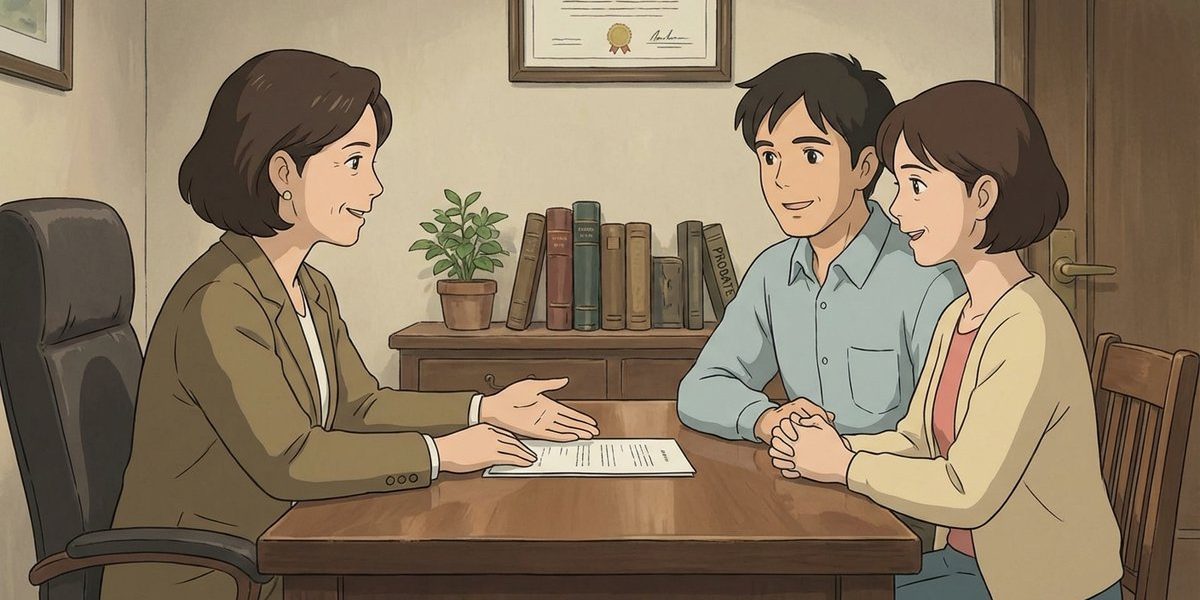
How do I probate a copy of a will when everyone in the family agrees on what it says? – NC
Short Answer
In North Carolina, family agreement alone does not automatically let the clerk admit a copy of a will to probate. The Clerk of Superior Court still has to decide whether the paper offered can be proved as a will under North Carolina law or whether the estate must proceed as intestate if the original cannot be established. If the original is missing, the process usually turns on proof of due execution, the contents of the will, whether the original was lost or destroyed without revocation, and whether the absence of the original can be satisfactorily accounted for.
Understanding the Problem
In North Carolina probate, the single issue is whether the Clerk of Superior Court can admit a copy of a decedent’s will when the original is not being filed, even though the interested family members agree about its contents. That question usually comes up when the person opening the estate has only an older copy, the clerk questions whether the document is the original, and the estate may need to move either as a testate estate using the copy or as an intestate estate if the copy cannot be proved.
Apply the Law
North Carolina probate is handled through the office of the Clerk of Superior Court in the county where the estate is opened. The controlling rule is practical: a copy is not admitted just because no one objects. The clerk still needs proof that the document qualifies for probate under North Carolina law. For a lost or destroyed will, North Carolina law is governed largely by case law rather than a general statute authorizing probate of any missing original will copy. The propounder must provide clear, strong, and convincing evidence of the required elements, including due execution, the contents of the will, loss or destruction of the original, and facts sufficient to overcome the presumption of revocation that can arise when the original cannot be found. When the original cannot be established, the estate may instead proceed under intestacy rules, which can change who serves and what renunciations, waivers, or consents are needed.
Key Requirements
- Reliable proof of the will: The clerk must have competent proof that the document offered reflects a valid will and not just an unsigned or incomplete draft.
- Proper probate forum: The matter is handled before the Clerk of Superior Court, who reviews the application or petition and supporting proof.
- Correct estate track: If the copy cannot be proved well enough for probate, the estate may need to open as intestate, which often requires looking to the closest heirs and any needed renunciations or waivers for appointment.
What the Statutes Say
- N.C. Gen. Stat. § 31-35 (Affidavit of witness as evidence) – permits prior witness affidavits and probate proofs to serve as prima facie evidence of due execution in certain situations.
- N.C. Gen. Stat. § 31-11.6 (How attested wills may be made self-proved) – provides methods by which an attested will may be made self-proved, including recognition in some circumstances of self-proved wills from other jurisdictions.
- N.C. Gen. Stat. § 31-11 (Depositories in offices of clerks of superior court where living persons may file wills) – allows a testator to deposit a will with the clerk for safekeeping, which can matter when an original cannot be located elsewhere.
Analysis
Apply the Rule to the Facts: Here, the estate is being opened in North Carolina, but the will copy appears tied to another jurisdiction and the clerk wants revised affidavits or addendum language that fits North Carolina law. That matters because the clerk is not deciding only whether the family agrees; the clerk is deciding whether the document being filed can be proved as a will in this probate file. If the paper offered is only a copy and the original cannot be produced, the estate will likely need stronger proof about the will’s execution, the copy’s reliability, the contents of the will, and why the original is unavailable before the clerk will treat the estate as testate.
The facts also suggest a second path: if the copy cannot be admitted, the estate may need to proceed as if there is no will. In that setting, the closest heirs become central to appointment and administration, and the clerk may require renunciations, waivers, or consents from others with equal or higher priority to serve. That is why even a fully cooperative family may still need corrected paperwork rather than a simple agreement on what the will said.
Process & Timing
- Who files: the proposed executor named in the will copy, or if the copy cannot be proved, an eligible heir or other qualified applicant. Where: the Estates Division of the Clerk of Superior Court in the North Carolina county handling the estate. What: an application or petition for probate or estate administration, the will copy if available, and supporting affidavits or other evidence addressing execution, contents, and the missing original, plus any renunciations or waivers needed for appointment if the estate proceeds intestate. When: as soon as practical after death. If the named executor does not present the will for probate within 60 days after death, an interested person may apply for probate upon the notice required by North Carolina law.
- The clerk reviews whether the filing supports probate of the will copy under North Carolina law. If the clerk finds the proof incomplete, the clerk may require revised witness affidavits, additional statements explaining the missing original, or a shift to intestate administration.
- If the copy is admitted, the clerk can issue letters to the personal representative named or otherwise qualified. If the copy is not admitted, the clerk may open the estate as intestate and issue the appropriate letters after any required renunciations or waivers are filed.
Exceptions & Pitfalls
- Family agreement does not replace proof. Even unanimous beneficiaries cannot waive the clerk’s duty to require proper probate evidence.
- When an original will last known to be in the testator’s possession cannot be found at death, North Carolina case law generally applies a presumption that the testator destroyed it with intent to revoke it unless that presumption is rebutted.
- A copy tied to another state may require proof that the will was validly executed under a law North Carolina recognizes, and self-proving language from another jurisdiction may or may not satisfy the clerk without additional proof.
- Common mistakes include filing a photocopy as if it were the original, overlooking witness-proof issues, or failing to gather renunciations and waivers early if the estate may need to proceed intestate. For a related discussion, see start probate if I don’t have the original will.
Conclusion
In North Carolina, a copy of a will can be probated only if the Clerk of Superior Court is satisfied that the copy and supporting proof meet North Carolina requirements for a lost or destroyed will; family agreement by itself is not enough. If the original cannot be established or the presumption of revocation cannot be overcome, the estate may need to proceed as intestate instead. The next step is to file corrected probate materials with the Clerk of Superior Court promptly, including any revised affidavits and any needed renunciations or waivers.
Talk to a Probate Attorney
If a family is trying to open an estate with a missing original will or a copy that the clerk questions, our firm has experienced attorneys who can help explain the probate options, required affidavits, and likely next steps. Call us today at 919-341-7055.
Disclaimer: This article provides general information about North Carolina law based on the single question stated above. It is not legal advice for your specific situation and does not create an attorney-client relationship. Laws, procedures, and local practice can change and may vary by county. If you have a deadline, act promptly and speak with a licensed North Carolina attorney.

