
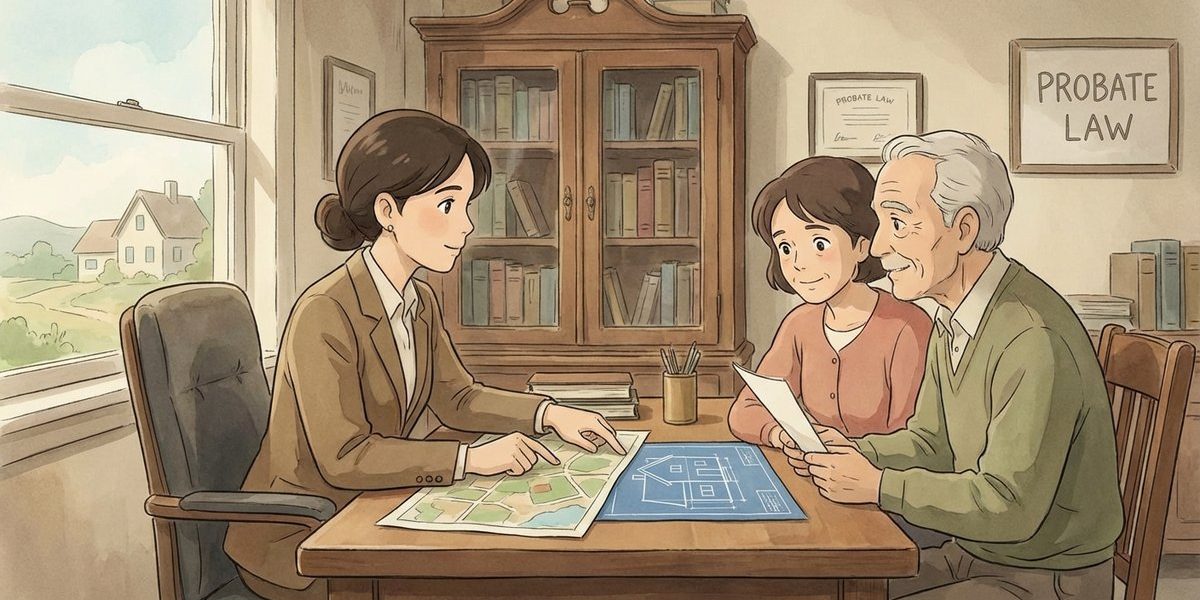
How do I open probate for a long-deceased relative so the home can pass to the heirs and clear title for a sale? – North Carolina
Short Answer
In North Carolina, probate (or an estate administration file) is opened through the Clerk of Superior Court in the county where the decedent lived at death (or where the North Carolina real estate is located in some situations). The usual path is to file an application to probate the will (if there is one) and request Letters Testamentary/Letters of Administration so a personal representative can sign deed documents and address creditor issues. When the death was a long time ago, the case often turns on proving heirship, confirming whether a will exists, and correcting or challenging any later-recorded deeds that cloud title.
Understanding the Problem
Under North Carolina probate law, the core question is: can an estate be opened long after a death so the Clerk of Superior Court can recognize who has authority to act for the estate and so the home can be transferred to the proper heirs (or sold) with clear title. This comes up when a decedent’s home stayed in the decedent’s name for years, and a later deed appears in the public records that does not match the family’s understanding of inheritance. The decision point is whether opening an estate administration (and, if applicable, probating a will) is still needed to establish the right people to sign and to resolve title problems before a closing.
Apply the Law
In North Carolina, the Clerk of Superior Court has probate jurisdiction and handles estate administration filings. If the decedent left a will, probating that will is what makes the will effective to pass title, and there are special timing rules that can affect how a late-probated will impacts purchasers and lien creditors. If there is no will, the estate is handled as an intestate estate, and the administration process is used to identify heirs and appoint a personal representative (often called an “administrator”) who can take the steps needed to transfer or sell real property and address creditor claims.
Key Requirements
- Correct probate forum: The estate is opened with the Clerk of Superior Court (probate division) with jurisdiction over the decedent’s estate under North Carolina law.
- Proof of authority and heirship: The Clerk typically needs reliable information about whether there is a valid will and, if not, who the legal heirs are so the right person can be appointed and the right people can sign.
- Title-clearing steps for real estate: Even after an estate file is opened, clearing title often requires recording the right probate documents and addressing “clouds” such as later-recorded quitclaim deeds, missing probate filings in the county where the land sits, or disputes about who inherited.
What the Statutes Say
- N.C. Gen. Stat. § 7A-241 (Probate jurisdiction) – Gives the Clerk of Superior Court authority over probate and estate administration matters.
- N.C. Gen. Stat. § 31-39 (Probate necessary to pass title; timing limits) – Explains when a probated will is effective to pass title and how late probate can affect purchasers and lien creditors.
Analysis
Apply the Rule to the Facts: Here, the property was never probated, and the goal is to pass the home to the heirs and clear title for a sale. Opening an estate file with the Clerk of Superior Court is the usual way to (1) establish whether there is a will that controls the home and (2) appoint a personal representative who can sign documents needed for a marketable title closing. The later-recorded quitclaim deed by a relative’s family is a classic “title cloud” issue; probate may help establish the proper chain of title, but a deed dispute may also require additional legal action depending on who signed, what authority they had, and whether the deed is valid.
Process & Timing
- Who files: Typically an heir, a named executor in a will, or another qualified person. Where: The Clerk of Superior Court (Estates/Probate) in the proper North Carolina county. What: An application to probate the will and for Letters (if there is a will), or an application for Letters of Administration (if there is no will), along with the death certificate and supporting family information. When: As soon as a sale or title issue is identified; delays can create more title and evidence problems.
- Administration steps: After appointment, the personal representative gathers information about heirs/devisees, identifies estate assets and debts, and follows the required notice/claims process before distributing or selling property. If the only meaningful asset is real estate, the strategy often focuses on what is necessary to transfer or sell the property cleanly rather than running a needlessly complex administration.
- Title cleanup for closing: The closing attorney or title company usually requires recorded probate documents (and sometimes additional affidavits or corrective instruments) to connect the chain of title from the decedent to the heirs or to the buyer. If a will exists and affects real estate in a different county, additional filing/recording steps may be needed in the county where the land is located to protect the transfer against purchasers and lien creditors.
Exceptions & Pitfalls
- Late-probated will issues: When a will is offered long after death, the practical question is often not just “can it be probated,” but whether it will be effective against third parties who relied on intestate heirs or earlier-recorded deeds.
- Quitclaim deed confusion: A quitclaim deed only conveys whatever interest the signer actually had. If the signer had no ownership interest (or lacked authority to sign for the true owners), the deed may not fix title and can create a cloud that must be addressed before sale.
- Heirship proof problems: Long delays can mean missing records, deceased witnesses, and family disputes. The Clerk may require more documentation to identify heirs, and disagreements can push parts of the case into a contested proceeding.
- County-to-county recording gaps: Even when probate is opened, failing to file/record the right probate documents in the county where the real property sits can leave title problems unresolved for closing.
Conclusion
To clear title and sell a long-unprobated North Carolina home, the usual next step is to open an estate file with the Clerk of Superior Court and obtain Letters so a personal representative can handle the transfer and address creditor and title requirements. If a will exists, it generally must be probated to pass title, and late probate can trigger special timing consequences for purchasers and lien creditors under North Carolina law. The practical next step is to file the probate/administration application with the Clerk of Superior Court promptly and evaluate any later-recorded quitclaim deed as part of the title-clearing plan.
Talk to a Probate Attorney
If a long-deceased relative’s home was never probated and a later deed is now clouding title for a sale, our firm has experienced attorneys who can help explain the probate steps, the paperwork the Clerk will expect, and the timelines that can affect a closing. Call us today at (919) 341-7055.
Disclaimer: This article provides general information about North Carolina law based on the single question stated above. It is not legal advice for your specific situation and does not create an attorney-client relationship. Laws, procedures, and local practice can change and may vary by county. If you have a deadline, act promptly and speak with a licensed North Carolina attorney.

