
How do I make sure the engagement letter correctly says I’m a claimant to a vehicle and not an heir? – North Carolina
Short Answer
In North Carolina, the engagement letter should clearly identify who the client is and what the firm is (and is not) being hired to do. To reflect “claimant” status (a person asserting a right to a vehicle) rather than “heir” status (a person inheriting through the estate), the letter should (1) name the client, (2) describe the client’s role as a claimant, and (3) limit the scope to pursuing the vehicle claim and related communications or filings. If the letter uses “heir” language, ask for a revised letter before signing so the scope and potential conflicts are clear from the start.
Understanding the Problem
In a North Carolina probate-related vehicle dispute, can an engagement letter be written so the firm represents a person as a claimant to the vehicle rather than as an heir of the estate? The decision point is whether the representation is for asserting an ownership or creditor-type claim to a specific vehicle, versus representing an heir’s interests in receiving estate distributions. The wording matters because it affects the scope of work, who the lawyer takes instructions from, and whether the representation could become adverse to the personal representative or beneficiaries.
Apply the Law
North Carolina lawyers are expected to define the client and the scope of representation clearly, and to address conflicts when interests may be adverse. In estate matters, confusion often arises because “the estate,” the personal representative, heirs/beneficiaries, and third-party claimants can all have different interests. A vehicle dispute may involve the clerk of superior court (estate administration), the personal representative (who controls estate property), and sometimes a separate civil process if ownership is contested. Clear engagement language helps prevent the firm from being treated as representing heirs or the estate when the actual goal is to pursue a claimant’s position to a specific asset.
Key Requirements
- Correct client identity: The letter should state that the firm represents the individual claimant only (not the estate, not the personal representative, and not any heirs or family members who attended the meeting).
- Clear scope tied to the vehicle claim: The letter should describe the work as investigating and pursuing the client’s claim to the vehicle (for example, communicating with the personal representative, gathering title/transfer documents, and advising on claim options), and should also list what is excluded (such as representing any heirship or distribution issues).
- Conflict and “who is not the client” clarity: The letter should address that other interested persons (heirs, beneficiaries, the personal representative, or other claimants) may have interests that differ from the client’s, and the firm is not advising them.
What the Statutes Say
- N.C. Gen. Stat. Chapter 28A (Administration of Decedents’ Estates) – North Carolina’s main statutory framework for estate administration, including the roles of the personal representative and estate procedures handled through the clerk of superior court.
- N.C. Gen. Stat. § 28A-2-7 (Representation of interested persons) – Addresses representation concepts in estate proceedings, including when a personal representative or other representative may bind interested persons, which can affect how parties are treated in clerk-supervised estate matters.
Analysis
Apply the Rule to the Facts: The facts describe an estate-related matter involving a vehicle where the client is not an heir but wants to pursue a claim to the vehicle. That makes “who is the client” and “what is the scope” the two most important engagement-letter fixes. The engagement letter should avoid describing the client as an heir or beneficiary and should instead describe representation as pursuing a claimant position to the vehicle, including communications with the personal representative and any necessary filings related to the claim.
Process & Timing
- Who requests the change: The claimant (the client). Where: directly with the law firm before signing. What: a revised engagement letter that (a) identifies the client as “claimant,” (b) states the objective (vehicle claim), and (c) lists exclusions (no heir/distribution representation). When: before any substantive work begins and before any fee is paid, if possible.
- Confirm the probate posture: Determine whether an estate is open with the Clerk of Superior Court (Estate Division) in the county where the estate is being administered, and identify the personal representative. This helps the engagement letter name the correct opposing/other parties (for example, “communications with the personal representative”) without implying representation of the estate.
- Document the claim theory early: The engagement letter (or an attached scope memo) should state the general basis of the claim (for example, ownership based on title/transfer, or a reimbursement claim tied to the vehicle) and what deliverable ends the engagement (for example, written demand, negotiated release, or a decision point about filing a formal claim or civil action).
Exceptions & Pitfalls
- Mixing “heir” and “claimant” roles in one letter: If the letter says the firm represents an “heir” or “beneficiary,” it can imply the firm is advising on distributions and estate administration strategy, which may conflict with asserting a claim against estate property.
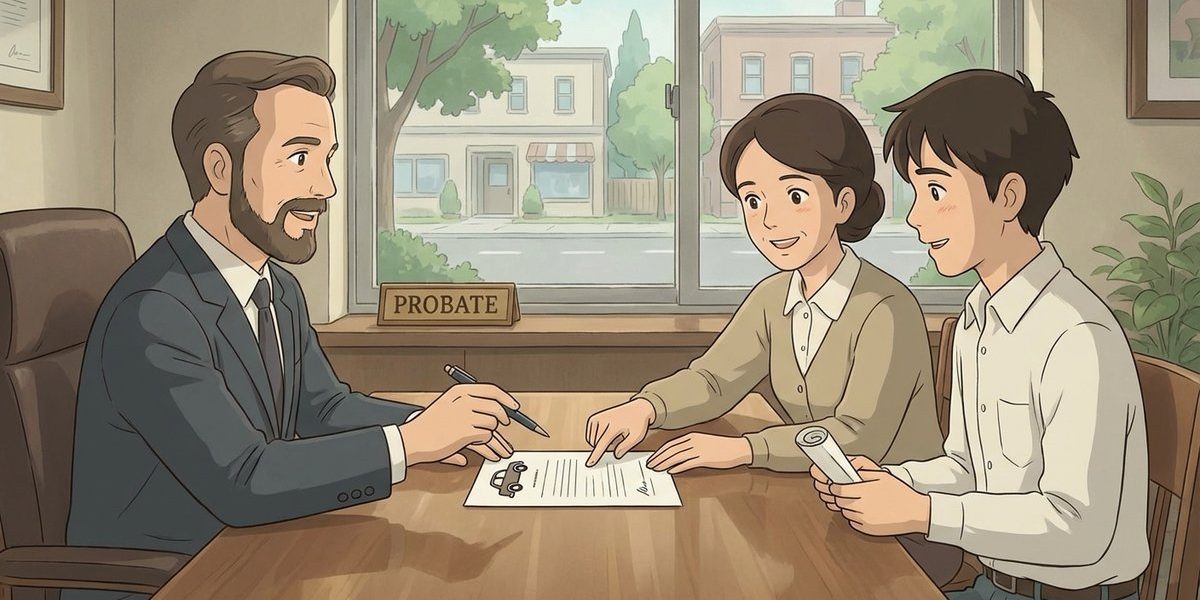
- Unclear “who is the client” when a parent attends: When a parent participates in meetings, the letter should still state the firm represents only the claimant (unless the firm is actually representing both people). Otherwise, communications and privilege expectations can get messy.
- Hidden conflicts with the personal representative or other interested persons: If the firm also represents the personal representative, an heir, or another interested person in the same estate matter, a claimant representation may be directly adverse. The engagement letter should not proceed until conflicts are checked and addressed.
- Scope creep: Vehicle disputes can expand into broader estate fights. The letter should state whether the firm will handle only the vehicle claim or also related probate litigation, and it should require a written amendment for any expanded work.
- Wrong forum assumptions: Some disputes are handled through the clerk-supervised estate process, while others may require a separate civil action. The engagement letter should describe the initial forum and reserve the right to recommend a different filing path if facts develop.
For a related discussion of why role labels matter in estate representation, see what happens if the representation paperwork lists the wrong role.
Conclusion
To make an engagement letter match “claimant to a vehicle” (not “heir”) in North Carolina, the letter should clearly name the client, describe the client’s role as a claimant asserting a right to a specific vehicle, and limit the scope to investigating and pursuing that claim. It should also state who is not being represented (the estate, the personal representative, and any heirs) and how conflicts will be handled. The next step is to request a revised engagement letter and sign only after the scope and role are correct.
Talk to a Probate Attorney
If there is an estate-related dispute over a vehicle and the representation needs to be clearly framed as a claimant matter (not an heir matter), our firm has experienced attorneys who can help explain options, conflicts, and timelines. Call us today at [919-341-7055].
Disclaimer: This article provides general information about North Carolina law based on the single question stated above. It is not legal advice for your specific situation and does not create an attorney-client relationship. Laws, procedures, and local practice can change and may vary by county. If you have a deadline, act promptly and speak with a licensed North Carolina attorney.

