
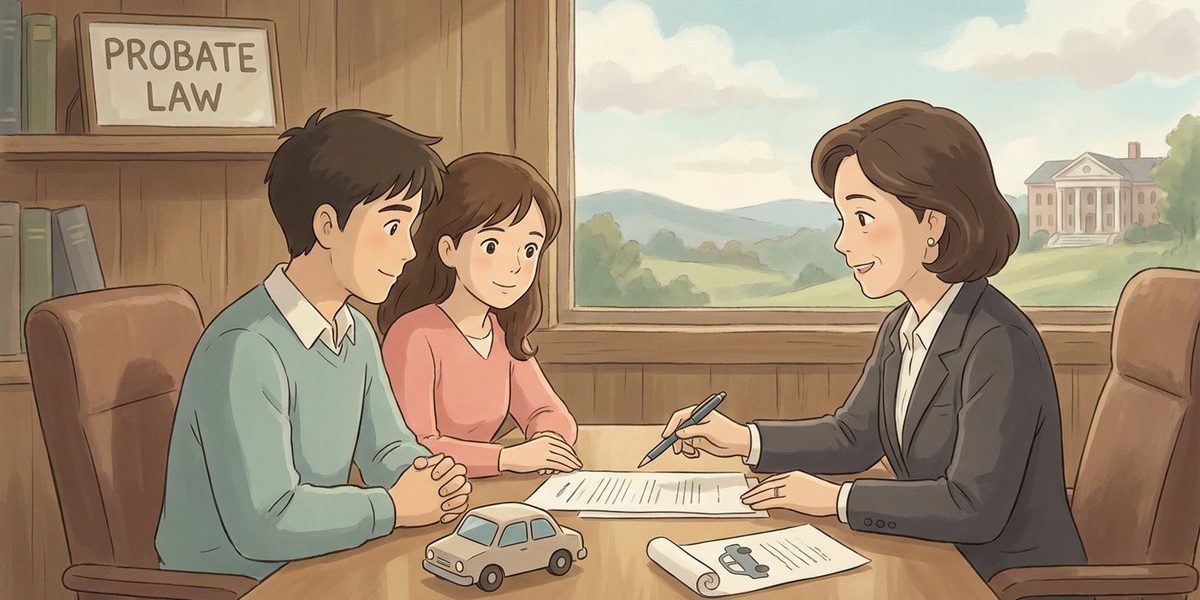
How do I get auto-loan statements or an account history for a deceased person during probate? – North Carolina
Short Answer
In North Carolina, the person with legal authority to act for the estate (the executor or administrator, also called the “personal representative”) typically requests auto-loan statements and account history directly from the lender using certified Letters Testamentary or Letters of Administration and a certified death certificate. Most lenders will also ask for identifying details (account number, VIN, and the borrower’s information) and may require a written authorization from the personal representative or the attorney representing the estate. If the lender refuses or delays, the estate can often resolve it by providing additional proof of authority or, in some situations, seeking a court order.
Understanding the Problem
In a North Carolina probate administration, a personal representative must identify the decedent’s debts and document what is owed as of the date of death. The practical question is how to obtain auto-loan statements or a full account history from a bank or lender when the borrower has died and the lender will not discuss the account without proof of authority. The decision point is whether the request is being made by the properly appointed personal representative (or someone acting with that person’s written authority) and whether the request includes the lender’s minimum documentation to release records.
Apply the Law
North Carolina probate is administered through the Clerk of Superior Court in the county where the estate is opened. Once a personal representative is appointed, that person has authority to gather information needed to identify estate assets and liabilities and to administer the estate. In practice, lenders usually require (1) proof of death and (2) proof that the requester has legal authority for the estate. If the records are maintained or delivered electronically, North Carolina’s digital assets law can also support disclosure to a personal representative when the required documents are provided.
Key Requirements
- Proof of authority: Certified Letters Testamentary (executor) or Letters of Administration (administrator), or another probate document showing authority in the specific type of estate administration.
- Proof of death: A certified death certificate is commonly required before a lender will release statements, payoff figures, or loan documents.
- Enough account identifiers: Lenders typically need the loan/account number and often the vehicle VIN, plus the decedent’s identifying information, to locate the correct account and produce a complete history.
What the Statutes Say
- N.C. Gen. Stat. § 36F-8 (Disclosure of other digital assets of deceased user) – Allows a personal representative to obtain certain digital assets and account-related information from a custodian when the required documents (including certified letters and death certificate) are provided.
- N.C. Gen. Stat. § 36F-7 (Disclosure of content of electronic communications of deceased user) – Sets conditions for disclosure of the content of electronic communications when consent or a court direction exists; sometimes relevant if the only “statements” available are delivered through an online message center.
Analysis
Apply the Rule to the Facts: The estate’s goal is to document liabilities and confirm the date-of-death balance, interest, and loan terms for an auto loan. That usually requires the lender’s statements/account history, the note and related loan paperwork, and a payoff or date-of-death balance figure. Because the request is being made in a probate administration, the cleanest path is for the personal representative (or the estate’s attorney with written authorization) to send a written request with certified Letters and a certified death certificate, plus enough identifiers (account number/VIN) for the lender to locate the account and produce the records.
Process & Timing
- Who files: The personal representative (or the attorney representing the personal representative with written authorization). Where: The request goes to the lender’s probate/deceased-customer department; probate authority documents come from the Clerk of Superior Court in the North Carolina county where the estate is opened. What: A written records request asking for (a) statements or full account history, (b) the promissory note and any guaranty, (c) lien/security description, and (d) date-of-death principal and accrued interest, plus whether any credit life coverage exists. Attach certified Letters and a certified death certificate. When: Send the request as soon as the personal representative qualifies, because the information is needed to prepare the estate inventory and to evaluate secured debt decisions.
- Follow-up and escalation: If the lender says it cannot locate the account, provide additional identifiers (VIN, prior address, last four digits of SSN if appropriate, copy of a recent statement found in the decedent’s papers). If the lender requires its own internal “estate affidavit” or authorization form, complete it in the name of the personal representative and resubmit with the certified Letters.
- If the lender still refuses: Ask the lender to state in writing what specific document is missing. If the dispute is about authority (for example, the lender will not accept a copy), provide newly certified Letters from the Clerk of Superior Court. If the issue is access to online-only records, request disclosure through the lender’s online custodian process and be prepared to seek a court order if needed.
Exceptions & Pitfalls
- No authority yet: Before appointment, family members (and even a nominated executor) often cannot obtain full statements. Lenders usually require certified Letters before releasing account history.
- Online-only statements: Some lenders deliver statements through an online portal. If the portal is treated as a “digital asset,” the lender may require the specific documents and certifications described in North Carolina’s digital assets statute, and may limit what it will release without a court direction.
- Incomplete request: A request that asks only for “statements” may not capture what probate needs. A better request also asks for the note, lien/security description, date-of-death principal and accrued interest, and year-to-date interest information where applicable.
- Confusing roles: A power of attorney generally ends at death, so a lender may reject a request signed “as agent.” The request should be signed by the personal representative (or the attorney for the personal representative with written authorization).
- Servicer vs. owner of the loan: The company sending monthly bills may be a servicer. If the servicer cannot provide complete origination paperwork, it may require a separate request to the loan owner or a different department.
For more on gathering documentation for probate filings, see what documents and valuations are required and how to identify and document assets and debts when records are hard to find.
Conclusion
In North Carolina probate, auto-loan statements and account history are usually obtained by having the personal representative send the lender a written request with a certified death certificate and certified Letters Testamentary or Letters of Administration, plus enough identifiers (account number and VIN) to locate the loan. The request should also ask for the note, any guaranty, the lien/security description, and the date-of-death principal and accrued interest. The next step is to submit that complete request promptly after qualification so the estate can timely prepare the inventory.
Talk to a Probate Attorney
If a probate administration requires auto-loan statements, payoff details, or loan paperwork and the lender will not release records, our firm has experienced attorneys who can help clarify what documents the lender needs and how to keep the estate on schedule. Call us today at [919-341-7055].
Disclaimer: This article provides general information about North Carolina law based on the single question stated above. It is not legal advice for your specific situation and does not create an attorney-client relationship. Laws, procedures, and local practice can change and may vary by county. If you have a deadline, act promptly and speak with a licensed North Carolina attorney.

