
How do I find out whether I’m named as a beneficiary in a deceased sibling’s will? – North Carolina
Short Answer
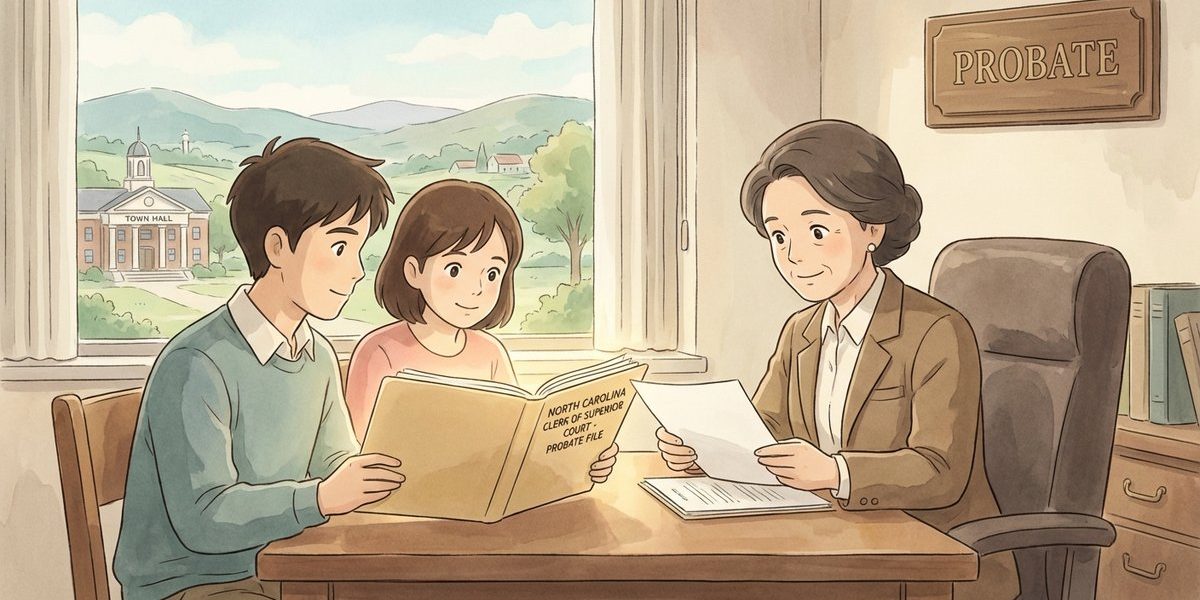
In North Carolina, the most reliable way to find out whether a deceased sibling named someone as a beneficiary is to check whether the will has been filed or probated with the Clerk of Superior Court in the county where the estate is being handled. Once a will is offered for probate, it becomes part of the court’s public records, and the clerk generally mails notice to known beneficiaries. If no probate file exists yet, the next step is usually locating the original will through family papers, the drafting attorney, or the clerk’s will safekeeping depository.
Understanding the Problem
In a North Carolina probate situation, the key question is whether a deceased sibling’s will has been located and presented to the Clerk of Superior Court for filing or probate. If the will has been filed or probated, the estate file can usually confirm whether a sibling is named as a beneficiary. If the will has not been filed, the issue becomes locating the original will and determining who has the duty to present it to the clerk.
Apply the Law
North Carolina wills are handled through the Estates Division of the Clerk of Superior Court. Before death, a will can be deposited with the clerk for safekeeping and is not open to public inspection until it is offered for probate. After death, once a will is admitted to probate, the original will remains on file with the clerk as part of the court records, and the clerk is required to mail notice to beneficiaries whose addresses are known.
Key Requirements
- A will must be located: A beneficiary search starts with finding the original will (or confirming whether one exists).
- The will must be filed or probated with the Clerk of Superior Court: Once the will is offered for probate, it becomes part of the estate file maintained by the clerk.
- Beneficiaries are identified from the probate record: The will itself (and sometimes the clerk’s beneficiary notice) is what confirms who is named and how.
What the Statutes Say
- N.C. Gen. Stat. § 31-11 (Will safekeeping with the clerk) – Allows a living person to deposit a will with the Clerk of Superior Court for safekeeping; the contents are not public until the will is offered for probate.
- N.C. Gen. Stat. § 31-39 (Probate needed to pass title; timing issues) – Explains that a duly probated will is effective to pass title and includes timing rules that can matter if a will is not promptly offered for probate.
Analysis
Apply the Rule to the Facts: The scenario involves a deceased sibling and uncertainty about whether a sibling is named as a beneficiary. Under North Carolina practice, the practical decision point is whether a probate estate file exists with the Clerk of Superior Court. If a file exists, the will and related filings typically confirm beneficiary status; if no file exists, the focus shifts to locating the original will (including checking whether it was deposited with the clerk for safekeeping).
Process & Timing
- Who checks: Any interested family member or potential beneficiary. Where: Estates Division, Clerk of Superior Court in the county where the estate is (or would be) administered in North Carolina. What: Request a search for an estate file under the decedent’s name and ask whether a will has been filed/probated; if a file exists, request a copy of the will from the court record. When: As soon as possible after death, especially if there are disputes or time-sensitive property issues.
- If no probate file exists: Search common locations for the original will (home files, safe deposit box, and the office of the attorney who drafted the will). Also ask the clerk’s office to check whether the will was deposited there for safekeeping during life (if the county offers that service).
- If a will is located but not being filed: The executor named in the will is generally expected to present it for probate. If that does not happen, North Carolina procedure may allow other interested persons (including a devisee/beneficiary named in the will) to apply to probate the will after giving required notice to the named executor, subject to statutory timing rules.
Exceptions & Pitfalls
- No probate does not always mean no will: Some families never open an estate because assets pass outside probate (for example, joint accounts or beneficiary-designated accounts). A will may still exist even if no estate file exists yet.
- Safekeeping wills are confidential until probate: If a will was deposited with the clerk during life, it is not open to public inspection until it is offered for probate under North Carolina law.
- Wrong county search: The correct file is usually in the county where the decedent lived at death, but facts can vary. If the first county has no file, checking neighboring counties where property is located can sometimes help.
- Family conflict and “will hiding” concerns: If someone has the original will and refuses to file it, quick action matters. The clerk process and court procedures can address disputes, but waiting can make the situation harder.
For more background on locating and reviewing a will through the probate process, see how to find out whether there is a will and who should handle the estate.
Conclusion
In North Carolina, the practical way to confirm whether a sibling is named as a beneficiary is to determine whether the will has been filed or probated with the Clerk of Superior Court and then obtain the will from the estate file. If no estate file exists, the next step is locating the original will (including checking with the drafting attorney and asking the clerk whether the will was deposited for safekeeping). The most important next step is to contact the Estates Division and request an estate-file search promptly.
Talk to a Probate Attorney
If there is uncertainty about whether a deceased sibling left a will or whether a family member is named as a beneficiary, our firm has experienced attorneys who can help explain the probate process, how to check the clerk’s estate records, and what steps may be available if a will is not being filed. Call us today at 919-341-7055.
Disclaimer: This article provides general information about North Carolina law based on the single question stated above. It is not legal advice for your specific situation and does not create an attorney-client relationship. Laws, procedures, and local practice can change and may vary by county. If you have a deadline, act promptly and speak with a licensed North Carolina attorney.

