
How do I designate the personal representative so third parties direct all estate questions to the correct person? – North Carolina
Short Answer
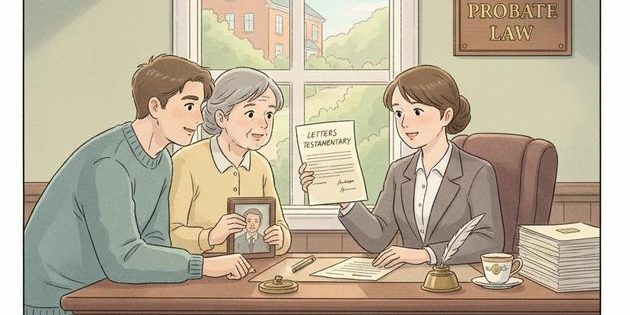
In North Carolina, third parties usually treat the correct point of contact for an estate as the person the Clerk of Superior Court has officially appointed as the estate’s personal representative (executor or administrator). The cleanest way to “designate” that person is to open the estate with the Clerk, have Letters issued, and provide third parties with a certified copy of the Letters (and, if needed, the will and the death certificate). Until Letters are issued, many agencies and financial institutions will not discuss or release estate information to anyone.
Understanding the Problem
In North Carolina probate, a common issue arises when an agency or other third party contacts a law firm, family member, or potential executor about a decedent’s estate and needs to know who has authority to speak for the estate. The decision point is: can a third party be directed to a single, correct person to answer estate questions and make estate requests, and what documentation proves that authority. The role involved is the estate’s personal representative, and the trigger is the Clerk of Superior Court issuing official Letters in the estate file.
Apply the Law
North Carolina law places estate administration under the supervision of the Clerk of Superior Court. A personal representative’s authority to act for the estate is typically shown through court-issued Letters (Letters Testamentary when there is a will naming an executor, or Letters of Administration when there is no will or no executor qualifies). Once Letters are issued, they remain effective unless properly revoked, and third parties generally rely on them to identify the authorized decision-maker. In practice, third parties often ask for a certified copy of the Letters as proof of authority, and they may also request a certified copy of the probated will if the estate is testate.
Key Requirements
- Qualification and appointment: The proposed personal representative must qualify through the Clerk of Superior Court so the Clerk can issue Letters naming that person.
- Documented proof of authority: Third parties should receive a certified copy of the Letters (and sometimes a certified will) to confirm who can speak and act for the estate.
- Single point of contact communication: The personal representative (or counsel acting at the personal representative’s direction) should provide written notice to third parties identifying the personal representative and attaching the Letters to reduce misdirected communications.
What the Statutes Say
- N.C. Gen. Stat. § 8-34 (Copies of official writings) – Allows certified copies of official court/public records to serve as evidence like the originals.
- N.C. Gen. Stat. § 8-28 (Copies of wills) – Allows certified copies of wills to be used as evidence when the will’s contents matter.
Analysis
Apply the Rule to the Facts: Here, an agency reached out about the estate of a decedent. The most reliable way to ensure the agency directs estate questions to the correct person is to confirm who the Clerk of Superior Court has appointed (or will appoint) as the estate’s personal representative and then provide the agency with certified Letters showing that appointment. If no one has qualified yet, the agency may refuse to discuss account details until a personal representative qualifies and receives Letters.
Process & Timing
- Who files: The nominated executor (if there is a will) or an eligible applicant (if there is no will). Where: The Estates Division of the Clerk of Superior Court in the proper North Carolina county. What: An application to probate the will and issue Letters Testamentary, or an application for Letters of Administration (the North Carolina courts publish standard AOC estate forms for these filings). When: As soon as practical after death when third parties require proof of authority.
- Get Letters issued: After the Clerk accepts the filing and the applicant qualifies, the Clerk issues Letters. The personal representative should request multiple certified copies because many third parties insist on reviewing a certified copy for their records.
- Notify third parties: The personal representative (or counsel) sends a short “letter of representation” to the agency identifying the personal representative by name and enclosing a certified copy of the Letters (and, if requested, a certified copy of the will and/or proof of death). The communication should instruct the third party to direct future estate questions and requests to the personal representative or to counsel acting for the personal representative.
Exceptions & Pitfalls
- Assuming a will alone is enough: Many third parties will not accept an unsigned copy of a will or a self-prepared “authorization letter” from family; they often require court-issued Letters (and sometimes certified copies).
- Using the wrong person as the contact: A spouse, adult child, or attorney is not automatically the authorized point of contact unless the Clerk has issued Letters to that person (or the person is communicating under the personal representative’s authority).
- Out-of-state authority issues: Letters issued by another state do not automatically authorize action in North Carolina for North Carolina assets; a separate North Carolina process may be required for property located in North Carolina.
- Stale Letters: Some institutions look for “recent” certified copies, even though the underlying Letters remain effective unless revoked. Ordering a new certified copy from the Clerk often resolves this friction.
Conclusion
In North Carolina, the personal representative is “designated” for third-party communications by qualifying through the Clerk of Superior Court and obtaining court-issued Letters naming that person as executor or administrator. Third parties usually rely on a certified copy of the Letters (and sometimes a certified will) to confirm who can receive estate information and give instructions. Next step: file the appropriate application with the Clerk of Superior Court to have Letters issued, then provide the agency a certified copy of the Letters as proof of authority.
Talk to a Probate Attorney
If an agency or financial institution is contacting the wrong person about an estate, our firm has experienced attorneys who can help identify who should qualify as personal representative and what documentation third parties typically require. Call us today at (919) 341-7055.
Disclaimer: This article provides general information about North Carolina law based on the single question stated above. It is not legal advice for your specific situation and does not create an attorney-client relationship. Laws, procedures, and local practice can change and may vary by county. If you have a deadline, act promptly and speak with a licensed North Carolina attorney.

