
How do I confirm whether a will exists on file with the court even if it’s not online? – North Carolina
Short Answer
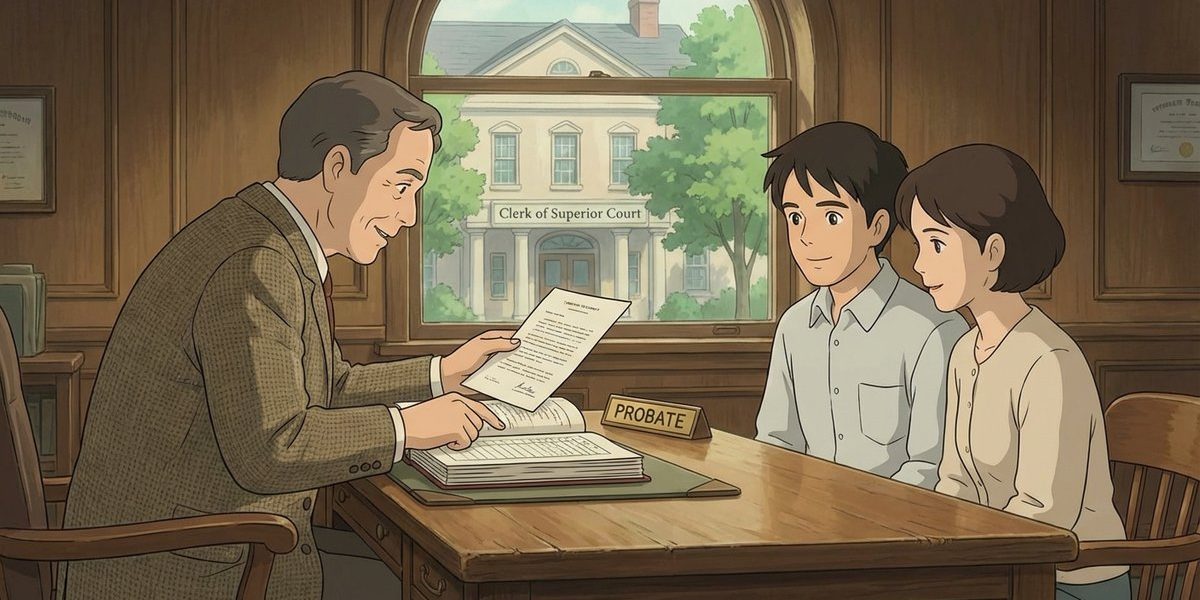
In North Carolina, the place to confirm whether a will is “on file with the court” is the Estates Division of the Clerk of Superior Court in the county tied to the estate (often the county of the decedent’s domicile for probate, and sometimes also the county where real property is located for recorded probate documents). If the will is not scanned into the online system, the Clerk’s office can usually confirm whether a will was filed or deposited and can provide a copy (often as a certified copy) upon request. If no will is on file, the next step is typically a manual search request and then a plan to locate the original or address a lost-will situation.
Understanding the Problem
In North Carolina probate, the question is whether a decedent’s will exists in the Clerk of Superior Court’s estate records even when the online portal does not show a scanned document. The key decision point is whether the will was ever filed for probate (or otherwise filed) with the Clerk, versus being kept somewhere else (such as a home safe, safe deposit box, or a lawyer’s file). Timing can matter because probate and recording steps affect how the will is used to show ownership interests in North Carolina real property.
Apply the Law
In North Carolina, the Clerk of Superior Court (Estates Division) is the main office that handles probate filings and maintains estate records. A will may be (1) deposited with the Clerk for safekeeping during the testator’s lifetime, (2) filed after death without being formally probated, or (3) offered and admitted to probate (which results in a certificate of probate and an estate file). A will that has been duly probated is effective to pass title, and for real property located in a different county, a certified copy of the will and the certificate of probate generally must be filed in the county where the real property lies within the applicable time limits.
Key Requirements
- Identify the right Clerk’s office: Probate is handled by the Clerk of Superior Court (Estates) in the county with jurisdiction over the estate (commonly the county of domicile at death), and real-property title issues may also require checking the county where the land is located.
- Ask for the right record type: A will might be deposited for safekeeping (not public before probate), filed without probate (public record but not a probate finding), or admitted to probate (estate file with a certificate of probate).
- Request the right copy: For real property and title work, a certified copy of the will and the certificate of probate is often needed rather than an informal copy.
What the Statutes Say
- N.C. Gen. Stat. § 31-11 (Depositories in offices of clerks of superior court where living persons may file wills) – Allows a person to deposit a will with the Clerk for safekeeping; the contents are not open for inspection by others until the will is offered for probate.
- N.C. Gen. Stat. § 31-39 (Probate necessary to pass title; recordation in county where real property lies) – Explains that a duly probated will is effective to pass title and addresses timing and filing certified copies in the county where real property is located.
Analysis
Apply the Rule to the Facts: The descendants’ goal is to obtain a will that is not visible in the online system to help prove an ownership interest in North Carolina real property. Under North Carolina practice, the correct move is to work directly with the Clerk of Superior Court (Estates) to confirm whether a will exists in the estate file or was deposited for safekeeping, and then request the type of copy needed for title purposes (often a certified copy of the will and the certificate of probate). If the will was probated in a different county than where the land sits, the analysis also turns to whether certified copies were filed in the county where the real property is located.
Process & Timing
- Who files: A law firm (on behalf of an interested person) or an interested person. Where: The Clerk of Superior Court, Estates Division, in the county with the estate file (often the county of domicile at death), and sometimes also the Clerk in the county where the real property is located. What: A written request for an estates file search and copies; if needed, a request for a certified copy of the will and the certificate of probate. When: As soon as the will is needed for a real property/title issue; delays can create avoidable title and closing problems.
- Ask for an “offline” check: If the online portal does not show a scanned will, request that the Estates office check the physical estate file and any will books or legacy records. If the will might have been deposited for safekeeping, ask whether the Clerk has a will deposit for the decedent’s name and date of birth (if available).
- Order the right certification: For real property work, request the Clerk’s certification (and, where applicable, the certificate of probate). If the land is in a different county, confirm whether a certified copy was filed in the county where the land lies and, if not, discuss with counsel what filing is needed to support the chain of title.
Exceptions & Pitfalls
- Safekeeping deposit is not publicly searchable before probate: A will deposited with the Clerk for safekeeping is not open to inspection by others until it is offered for probate, so an “online search” may show nothing even if a deposit exists.
- “Filed” is not the same as “probated”: Simply filing a will may create a public record, but it may not create the probate findings and certificate that title companies often want for real property.
- Wrong county search: Probate is typically handled in the county of domicile, but real property issues can require checking the county where the land is located for recorded certified copies.
- Lost-will scenario: If the Clerk confirms no will is on file, the next steps may involve proving a lost or destroyed will (which is a different procedure than requesting copies). That process can require a documented diligent search and notice to interested parties.
For more background on related probate record searches, see find out whether there is a will and get copies of all filings and updates.
Conclusion
In North Carolina, confirming whether a will exists “on file with the court” usually means contacting the Clerk of Superior Court (Estates) and requesting a manual check of the estate file and any will deposit records when the document is not scanned online. A duly probated will is the document that passes title, and real property may require certified copies to be filed in the county where the land is located. The most practical next step is to request a certified copy of the will and the certificate of probate from the Clerk’s Estates Division as soon as the title issue is identified.
Talk to a Probate Attorney
If a will is missing from the online system but is needed to prove an ownership interest in real property, our firm has experienced attorneys who can help identify the right Clerk’s office, request the correct certified records, and map out next steps if no will is on file. Call us today at (919) 341-7055.
Disclaimer: This article provides general information about North Carolina law based on the single question stated above. It is not legal advice for your specific situation and does not create an attorney-client relationship. Laws, procedures, and local practice can change and may vary by county. If you have a deadline, act promptly and speak with a licensed North Carolina attorney.

