
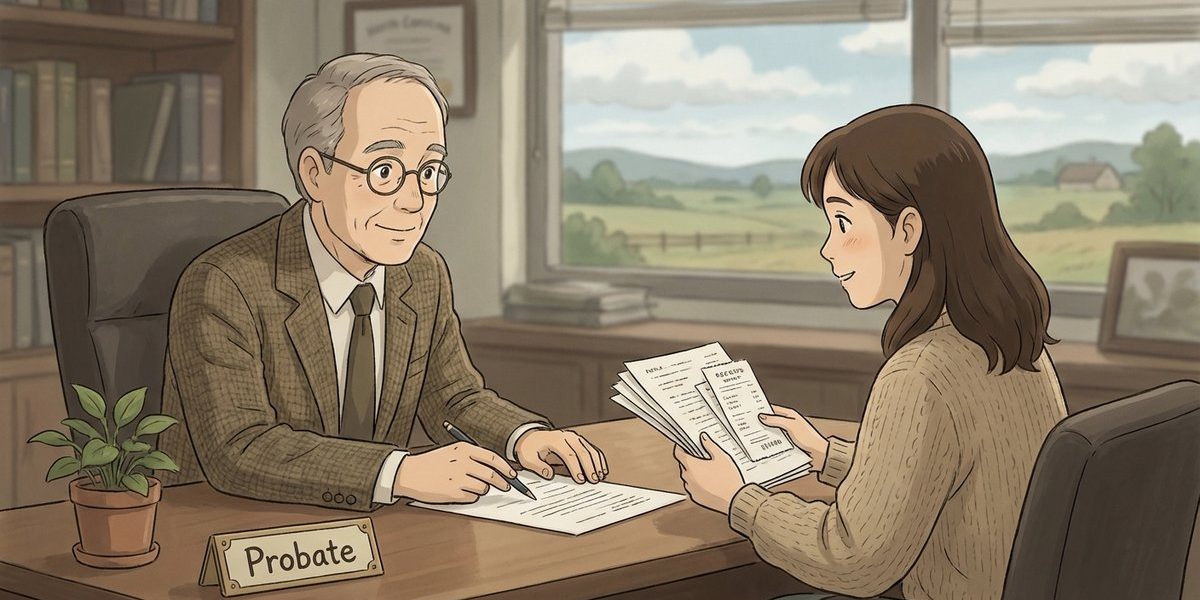
How can I get reimbursed from the estate for expenses I paid after my spouse died, like insurance and other property-related costs? – North Carolina
Short Answer
In North Carolina, reimbursement usually happens by treating the out-of-pocket payments as either (1) an estate expense that the personal representative can repay during administration, or (2) a creditor claim that must be properly documented and paid in the estate’s statutory priority order. The key is proving the expense was necessary, related to estate property, and actually paid. A spouse’s year’s allowance is a separate process that can protect a set amount for support from most estate creditor claims, but it does not automatically reimburse every bill paid after death.
Understanding the Problem
In North Carolina probate, a surviving spouse may pay expenses after death to keep property from lapsing or being damaged, such as homeowners insurance, utilities, repairs, or similar carrying costs. The decision point is whether those payments can be treated as reimbursable estate obligations (and how to request payment) while the estate also has creditor debts and the surviving spouse is considering a statutory year’s allowance to prevent certain inheritance funds from being used to pay creditors.
Apply the Law
North Carolina estates pay valid obligations in a required order of priority, and the personal representative generally should not pay lower-priority debts ahead of higher-priority ones. When a surviving spouse advances money after death to preserve estate property or cover necessary administration-related costs, reimbursement is often handled either as an administration expense paid by the personal representative, or as a claim against the estate supported by receipts and an explanation of why the payment benefited the estate. Separately, a surviving spouse may claim a year’s allowance, which is designed to provide support and is generally protected from estate creditor claims.
Key Requirements
- Documented, necessary expense: The payment should be tied to preserving, protecting, or administering estate property (for example, keeping insurance in force so a home is covered, or paying a required bill to prevent loss of service or damage).
- Proper path for repayment: Reimbursement typically requires either approval/payment by the personal representative as an estate expense or a properly presented claim against the estate with supporting proof.
- Priority and available assets: Even a valid reimbursement request may be delayed or reduced if the estate is insolvent, because North Carolina law requires claims and expenses to be paid in priority order.
What the Statutes Say
- N.C. Gen. Stat. § 30-15 (Spouse’s year’s allowance) – Creates the surviving spouse’s allowance, explains how to claim it, and states the allowance is generally exempt from estate creditor claims.
- N.C. Gen. Stat. § 30-27 (Additional allowance) – Allows a court proceeding for a larger allowance in qualifying cases, with specific filing deadlines.
- N.C. Gen. Stat. § 108A-70.5 (Medicaid estate recovery) – Addresses North Carolina Medicaid estate recovery and its creditor status in the estate claim structure.
Analysis
Apply the Rule to the Facts: Here, the surviving spouse has opened an estate and has paid ongoing property-related costs after death while the estate also has creditor debts (including medical bills). If the payments were made to preserve estate property (for example, keeping insurance active on a house titled in the decedent’s name), they are the type of expenses that are commonly presented for repayment during administration—so long as they are well documented and the estate has funds available after applying North Carolina’s priority rules. If the spouse also pursues a year’s allowance, that allowance can protect a set amount for support from most creditor claims, but it should be handled as its own filing and should not be confused with reimbursement for specific bills.
Process & Timing
- Who files: Typically the surviving spouse (as claimant) and/or the personal representative (as the person who pays approved estate expenses). Where: Clerk of Superior Court (Estates Division) in the county where the estate is administered in North Carolina. What: A written reimbursement request to the personal representative with receipts and a clear explanation of why each payment preserved or benefited estate property; if needed, a formal claim may be filed in the estate file. When: As early as practical, before final accounting and distribution, so the personal representative can evaluate and include it in the estate’s administration.
- Year’s allowance (separate step): If claiming the spouse’s year’s allowance, file a verified petition with the Clerk; if a personal representative has been appointed, the petition generally must be filed within six months after letters are issued, and a copy must be delivered or mailed to the personal representative.
- Payment and accounting: If approved and payable, reimbursement is typically reflected in the estate’s accounting as an expense or claim payment; if the estate lacks funds, payment may be delayed or reduced based on the statutory priority scheme and available assets.
Exceptions & Pitfalls
- Mixing reimbursement with the year’s allowance: The year’s allowance is a support allowance with its own rules and protections; it does not automatically convert every post-death payment into a reimbursable estate expense.
- Poor documentation: Missing receipts, unclear payee information, or no explanation of why the expense preserved estate property can lead to denial or delay.
- Insolvent estate and priority issues: Even valid requests may not be paid in full if higher-priority items must be paid first; paying the “wrong” bills early can create disputes and potential personal liability for the personal representative.
- Payments that primarily benefit a non-estate owner: If the property was not actually an estate asset (for example, it passed outside probate), reimbursement from the estate may be disputed because the estate did not receive the benefit.
- Medical debts and Medicaid recovery: Medical creditors and potential Medicaid estate recovery can affect what remains available after priority payments, so the reimbursement plan should be coordinated with the overall claims strategy.
Conclusion
In North Carolina, a surviving spouse can often seek reimbursement from the estate for necessary, documented post-death payments that preserved or protected estate property, either through payment by the personal representative as an estate expense or by properly presenting a claim that will be paid (if at all) in the estate’s required priority order. A spouse’s year’s allowance is a separate remedy that can protect a set amount for support from most creditor claims. The next step is to submit a written, itemized reimbursement request with receipts to the personal representative and, if pursuing the year’s allowance, file the verified petition with the Clerk within six months after letters are issued.
Talk to a Probate Attorney
If a surviving spouse has paid insurance, utilities, or other property-related costs after a death and needs reimbursement while the estate also faces creditor claims, our firm has experienced attorneys who can help explain options and timelines. Call us today at [CONTACT NUMBER].
Disclaimer: This article provides general information about North Carolina law based on the single question stated above. It is not legal advice for your specific situation and does not create an attorney-client relationship. Laws, procedures, and local practice can change and may vary by county. If you have a deadline, act promptly and speak with a licensed North Carolina attorney.

