
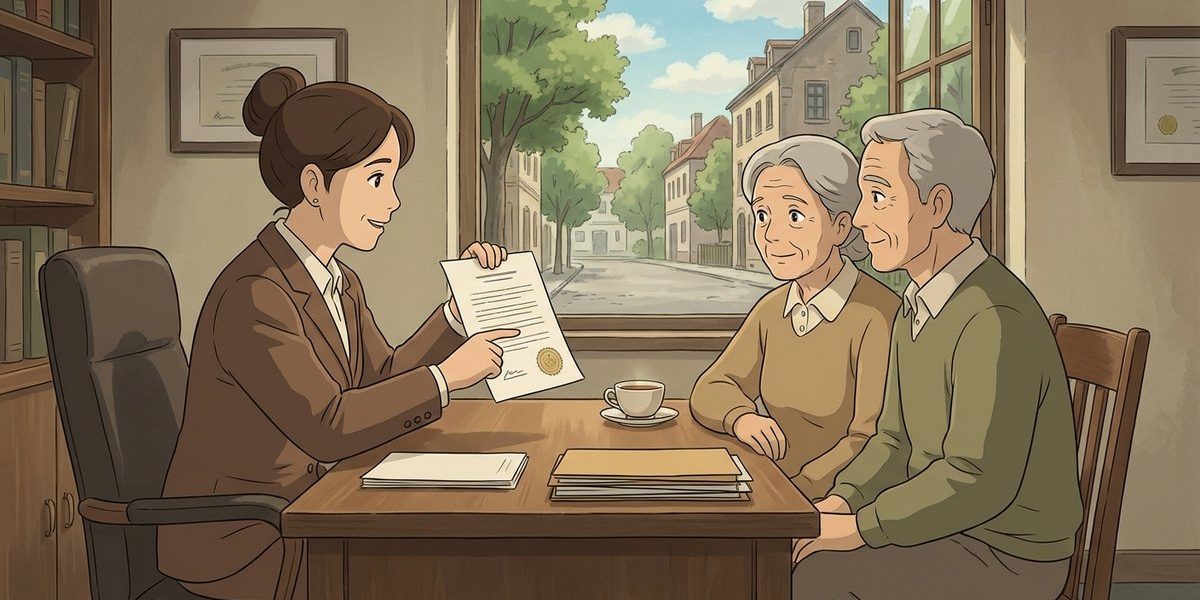
How can I confirm whether my attorney has actually filed the paperwork to amend the death certificate? – North Carolina
Short Answer
In North Carolina, the most reliable way to confirm progress is to identify where the correction should have been filed (usually the N.C. Office of Vital Records, and sometimes a court if an order is needed) and then request proof of filing. Proof typically includes a file-stamped copy, a submission receipt, a tracking number, or written confirmation from the agency. If the attorney cannot provide basic proof within a reasonable time, it may be appropriate to request the file and billing records and consider changing counsel.
Understanding the Problem
In North Carolina probate matters, a common question is: can a spouse confirm that an attorney actually submitted a request to correct a death certificate, and if so, how? The decision point is whether the correction is being handled through the vital records process alone or whether it requires a court order that must be filed with the Clerk of Superior Court first. The practical goal is to verify that a real submission happened (not just preparation) and to identify the agency or court file where the correction can be tracked.
Apply the Law
North Carolina law allows amendments to death certificates after the record has been accepted for registration, but the change must be made through a formal amendment request and supporting proof under rules set by the State Registrar. Some corrections can be handled administratively through vital records; other changes may require a court order, which then becomes the key document that supports the amendment request. In either path, confirmation usually comes from (1) a receipt or confirmation from the N.C. Office of Vital Records or (2) a file number and file-stamped document from the Clerk of Superior Court if a court order was needed.
Key Requirements
- Correct forum: The request generally goes to the N.C. Office of Vital Records (sometimes through a local Register of Deeds or local vital records office depending on the county’s process), and some situations also involve the Clerk of Superior Court if a court order is required.
- Proper proof: The amendment request typically must be supported by documentation that shows what is wrong and what the correct information should be (the State Registrar can require specific types and amounts of proof).
- Verifiable submission: A real filing or submission should generate something that can be verified: a file-stamped court document, an agency receipt, a tracking number, or written confirmation that the request was received.
What the Statutes Say
- N.C. Gen. Stat. § 130A-118 (Amendment of birth and death certificates) – Allows amendments after registration by request for amendment, and authorizes the State Registrar to set proof requirements and charge a fee.
Analysis
Apply the Rule to the Facts: The facts describe a paid engagement to correct a late spouse’s death certificate, but there is no clear confirmation that anything has been submitted to the proper office. Under North Carolina’s amendment framework, a legitimate submission should produce a verifiable record (receipt/confirmation from vital records, or a file-stamped court document if a court order was needed). If the attorney cannot provide any proof of submission, that is a practical sign that the request may not have been filed or that it was filed incorrectly or incompletely.
Process & Timing
- Ask for proof of submission: Who provides it: the attorney or the attorney’s staff. What: a copy of the exact amendment packet that was sent, plus proof it was sent and received (receipt, tracking number, confirmation email/letter, or agency cover sheet). When: request it immediately and in writing so there is a clear record.
- Confirm with the correct office: Where: the N.C. Office of Vital Records (and, if the attorney says a court order was required, the Clerk of Superior Court in the county where the proceeding was filed). What: ask whether an amendment request (or a court file) exists under the decedent’s name and date of death, and what the status is. Some offices may require the requester to be an eligible person and may limit what they can disclose without proper identification or authorization.
- Escalate if there is no verifiable filing: What: request a complete copy of the client file (including correspondence, drafts, and what was actually sent), request an itemized billing showing the work performed, and set a firm deadline for a status update. If the relationship is not working, consider hiring new counsel to take over and resubmit correctly if needed.
Exceptions & Pitfalls
- “Filed with the court” may be the wrong benchmark: Many death certificate corrections are handled through vital records rather than a court filing, so the right question is often “Was it submitted to Vital Records, and do we have a receipt or tracking number?”
- Incomplete proof can stall the request: Even if something was submitted, vital records may reject or pause an amendment if the supporting documents do not meet the State Registrar’s proof requirements.
- County practices vary: Some counties route vital records requests through different local offices, and response times can vary. A lack of immediate results is not always proof that nothing was submitted, but a lack of any submission confirmation is a red flag.
Conclusion
In North Carolina, amending a death certificate generally requires a formal amendment request submitted through vital records, supported by the proof the State Registrar requires under N.C. Gen. Stat. § 130A-118. The most direct way to confirm the attorney’s work is to request a copy of what was submitted and proof it was received (receipt, tracking number, or written confirmation), and then verify status with the N.C. Office of Vital Records (and the Clerk of Superior Court only if a court order was part of the process). The next step is to request proof of submission in writing and set a clear deadline for a response.
Talk to a Probate Attorney
If a death certificate correction is holding up estate administration or benefits, our firm has experienced attorneys who can help clarify the correct process, confirm what has (and has not) been submitted, and move the matter forward on a clear timeline. Call us today at 919-341-7055.
Disclaimer: This article provides general information about North Carolina law based on the single question stated above. It is not legal advice for your specific situation and does not create an attorney-client relationship. Laws, procedures, and local practice can change and may vary by county. If you have a deadline, act promptly and speak with a licensed North Carolina attorney.

