
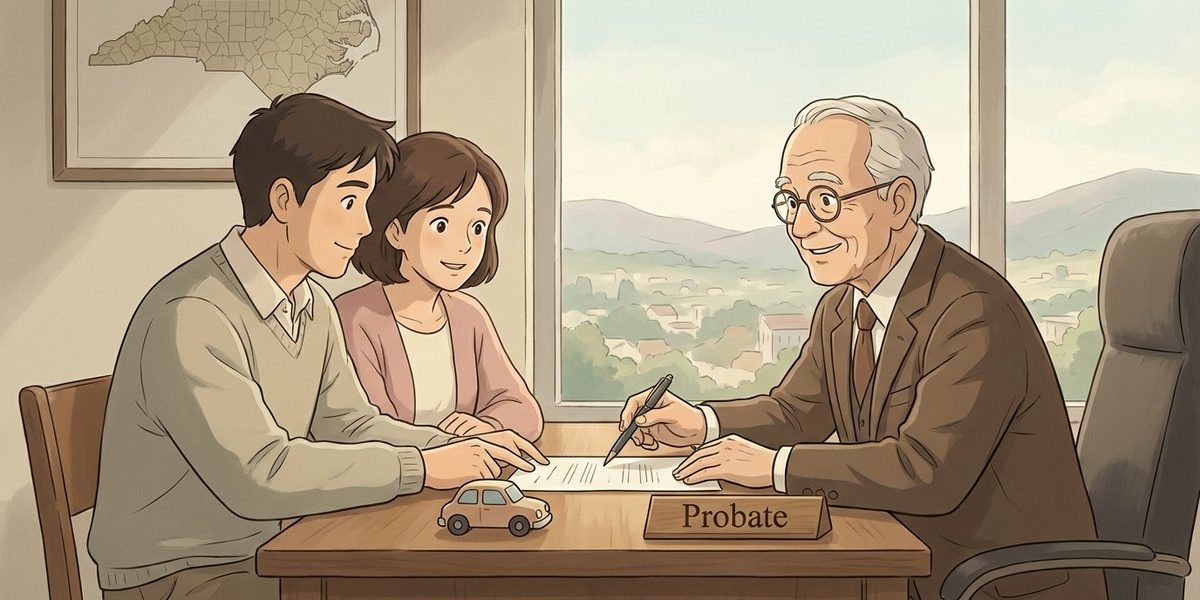
Do we have to include a vehicle in the estate inventory if it’s not currently in anyone’s possession? – North Carolina
Short Answer
Usually, yes. In North Carolina estate administration, a vehicle should generally be listed on the estate inventory if it was owned by the decedent at death and is part of the probate estate, even if the personal representative does not currently have physical possession of it. The inventory is meant to report what the estate owns, not only what has already been located or picked up. If ownership is uncertain (for example, joint ownership with survivorship or a vehicle already transferred outside probate), the inventory approach may change.
Understanding the Problem
In a North Carolina probate estate, can a personal representative leave a motor vehicle off the estate inventory simply because the vehicle cannot currently be found or is not in anyone’s possession? The decision point is whether the vehicle is still an estate asset that must be reported to the Clerk of Superior Court as part of the inventory, even when the vehicle’s location is unknown or access is delayed.
Apply the Law
In North Carolina, the estate inventory is designed to identify and value probate assets owned by the decedent at death. A motor vehicle is a common example of “other personal property” that is typically listed with identifying details (such as make/model and VIN) and a date-of-death value. Physical possession is not the same thing as ownership. If the decedent owned the vehicle at death and it did not pass automatically outside probate, it is generally treated as an inventory item even if the personal representative is still trying to locate it.
Key Requirements
- Probate ownership at death: The vehicle must have been owned by the decedent at the time of death and not transferred automatically outside the estate (for example, by survivorship ownership).
- Identifiable description: The inventory typically lists enough information to identify the vehicle, such as year/make/model and the VIN (and title number if available).
- Date-of-death value and lien information: The inventory generally reflects the vehicle’s value as of the date of death, and administration usually requires identifying any loan, lien, or insurance issues tied to the vehicle.
What the Statutes Say
- N.C. Gen. Stat. § 31C-5 (Duty of personal representative; perfection of title in certain spouse-held property) – Explains a limited situation where a personal representative may have no duty to discover certain property held by a surviving spouse unless a written demand is made.
Analysis
Apply the Rule to the Facts: The facts describe an estate administration where required notices and communications must be sent to heirs, and the firm needs mailing addresses. A missing or not-currently-possessed vehicle can still matter because the inventory and later accounting depend on identifying estate assets and how they were handled. If the decedent owned a vehicle at death, the safer inventory practice is to list it with the best available identifying information and then document the steps taken to locate it and determine whether it actually belongs in the probate estate.
Process & Timing
- Who files: The personal representative (executor/administrator). Where: The Clerk of Superior Court (Estates) in the county where the estate is opened in North Carolina. What: The estate inventory form required by that county’s Estates office, listing probate assets (including vehicles that were owned at death). When: The inventory is typically due early in the administration; local deadlines and extensions can vary by county and by the Clerk.
- Locate and verify the vehicle: Gather the title/registration information, confirm how the vehicle was titled at death, identify any lienholder, and confirm insurance and safeguarding issues. If the vehicle cannot be located, document the search steps and any reports or communications that explain why possession is delayed.
- Resolve and report the outcome: Once located, the vehicle is typically transferred to the appropriate beneficiary or sold, and the later estate accounting should reflect what happened (transfer, sale proceeds, payoff of liens, or other disposition).
Exceptions & Pitfalls
- Joint ownership and survivorship: If the vehicle was titled with a survivorship feature, it may pass outside the probate estate. In that situation, the inventory treatment can differ because the estate may not own the vehicle at all.
- Assuming “not in possession” means “not an estate asset”: A vehicle can be an estate asset even if it is stored elsewhere, held by a third party, or temporarily missing. Inventory decisions should follow ownership, not location.
- Incomplete identifying details: Clerks commonly expect vehicles to be identified by VIN and other details. If the title cannot be found, it is often still possible to gather identifying information from records, insurance paperwork, loan statements, or prior registration documents.
- Liens and insurance gaps: Vehicles often have liens and insurance issues. Delays in locating a vehicle can create risk if coverage lapses or if the vehicle is damaged or used without authority.
Conclusion
In North Carolina, a motor vehicle generally should be included on the estate inventory if it was owned by the decedent at death and is part of the probate estate, even when the personal representative does not currently have possession of it. The inventory is about ownership and reporting, not physical control. The next step is to file the inventory with the Clerk of Superior Court on time and list the vehicle using the best available identifying information (such as VIN and title details), then document efforts to locate and properly transfer or sell it.
Talk to a Probate Attorney
If an estate includes a vehicle that cannot be located or is not currently in anyone’s possession, the inventory and later accounting can get complicated quickly. Our firm has experienced attorneys who can help clarify what should be reported, what records to gather, and what timelines to follow with the Clerk. Call us today at [919-341-7055].
Disclaimer: This article provides general information about North Carolina law based on the single question stated above. It is not legal advice for your specific situation and does not create an attorney-client relationship. Laws, procedures, and local practice can change and may vary by county. If you have a deadline, act promptly and speak with a licensed North Carolina attorney.

