
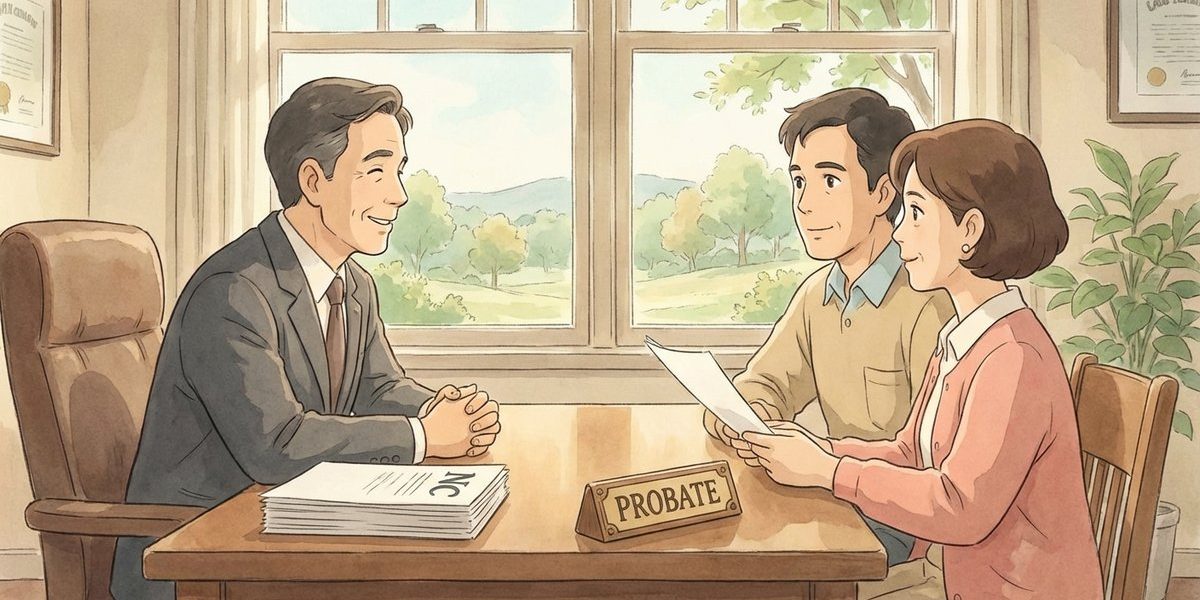
Do we have to go through probate to change the deed after a family member dies? – North Carolina
Short Answer
Not always. In North Carolina, probate (or another clerk-of-court estate process) is often needed to create clear, recordable authority to transfer a deceased owner’s real estate—especially if the property was in the decedent’s sole name or there is a will that needs to be recognized. But if the land already passes automatically (for example, by a survivorship deed), a new probate estate may not be required just to “change the deed.”
Understanding the Problem
In North Carolina probate practice, the core question is whether the land can pass into a surviving relative’s name without opening an estate with the Clerk of Superior Court. The answer usually turns on how the deed was titled at death (sole ownership versus a survivorship form of ownership) and whether a will must be probated to make the transfer effective in the public records. When another close family member who might have handled the paperwork is also deceased, the chain of title and the correct heirs/devisees often need to be confirmed before anything is recorded with the Register of Deeds.
Apply the Law
North Carolina treats real estate differently than many people expect: the “deed doesn’t get changed” automatically by the court, and families often need a recordable paper trail to show why ownership changed after death. If there is a will, North Carolina law generally requires the will to be probated for it to be effective to pass title, and there are time-sensitive risks if the will is not probated and the property is conveyed as though the decedent died without a will.
Key Requirements
- How title was held at death: If the deed was in the decedent’s sole name, some probate/estate process is commonly needed to establish who has authority to transfer or who inherited. If the deed was held with a right of survivorship, the survivor may be able to update the land records without opening a full estate.
- Whether there is a will that controls the land: If the decedent left a will that gives the land to specific people, the will generally must be probated to make that transfer effective against later purchasers and lien creditors.
- Whether the land needs to be sold (or refinanced) soon and whether debts/claims matter: If the land must be sold to pay debts/expenses, or if the family expects a sale within about two years of death, opening an estate is often the cleaner route because creditor-notice and personal representative authority can affect title and marketability.
What the Statutes Say
- N.C. Gen. Stat. § 31-39 (Probate necessary to pass title; recordation) – Explains that a duly probated will is effective to pass title, and sets limits affecting purchasers and lien creditors if a will is not timely probated/recorded in the county where the land is located.
- N.C. Gen. Stat. § 29-13 (Intestate succession; subject to claims) – Provides that property of a person who dies without a will passes to heirs under North Carolina’s intestacy rules, subject to administration costs and lawful claims.
Analysis
Apply the Rule to the Facts: The land was owned by a grandparent who has died, and the family wants the land placed into a surviving relative’s name. If the grandparent owned the land in a sole name deed, the family typically needs a probate/estate filing with the Clerk of Superior Court to establish who inherited (no will) or to probate the will (will exists) so the transfer can be supported in the public records. Because another close family member who might have handled the process is also deceased, it becomes even more important to confirm the correct heirs/devisees and create a clean chain of title before recording anything.
Process & Timing
- Who files: Usually an heir, a person named as executor in the will, or another interested person. Where: Clerk of Superior Court (Estates) in the county where the decedent was domiciled at death. What: A probate filing to open an estate and qualify a personal representative (or, in limited situations, a simplified estate procedure). When: As soon as practical after death, and before any planned sale or refinance.
- Record what title companies search: If there is a will, a certified copy of the will and probate certificate often needs to be filed in the Clerk’s office in each county where the decedent owned real property so the will is of record where the land sits. This step matters when the land is not in the same county as the probate.
- Transfer into the new owner’s name: Depending on the situation, the transfer may be handled by (a) an executor/administrator deed from the personal representative, or (b) deeds from the heirs/devisees after title is clear. In many cases, the “proof” of ownership is the recorded probate documents plus the later deed used for a sale or family transfer. For a deeper explanation of deed options, see which deed is used after a death.
Exceptions & Pitfalls
- Survivorship ownership can avoid a new probate estate for the land: If the deed was titled with a right of survivorship (or as tenants by the entirety for spouses), the survivor may be able to update records without opening a full estate for that asset. The deed language controls, so the recorded deed should be reviewed first.
- “Just recording a new deed” can backfire: A deed signed by the wrong people (or missing an heir) can cloud title and cause problems later when the property is sold, refinanced, or insured.
- Sales within about two years after death can raise creditor-notice issues: When heirs/devisees sell quickly after death without an estate and creditor notice, the transaction can be vulnerable depending on timing and whether a personal representative later qualifies. This is one reason families often open an estate when a sale is expected.
- Multiple deaths in the family complicate the chain of title: If an heir/devisee died after the grandparent, that person’s share may have passed through that later estate, meaning more than one estate file may be needed to fully clear title.
Conclusion
In North Carolina, probate is not always required to “change the deed,” but some estate process is commonly needed to create clear, recordable authority to transfer land that was owned in a decedent’s sole name. If there is a will, it generally must be probated to pass title, and delays can create title risk under a two-year rule. The practical next step is to file the appropriate estate proceeding with the Clerk of Superior Court so the correct heirs/devisees and transfer documents can be confirmed and recorded.
Talk to a Probate Attorney
If a family is dealing with transferring land after a death—especially where another family member involved in the process is also deceased—our firm has experienced attorneys who can help sort out the title, the correct estate filings, and the timing. Call us today at [919-341-7055].
Disclaimer: This article provides general information about North Carolina law based on the single question stated above. It is not legal advice for your specific situation and does not create an attorney-client relationship. Laws, procedures, and local practice can change and may vary by county. If you have a deadline, act promptly and speak with a licensed North Carolina attorney.

