
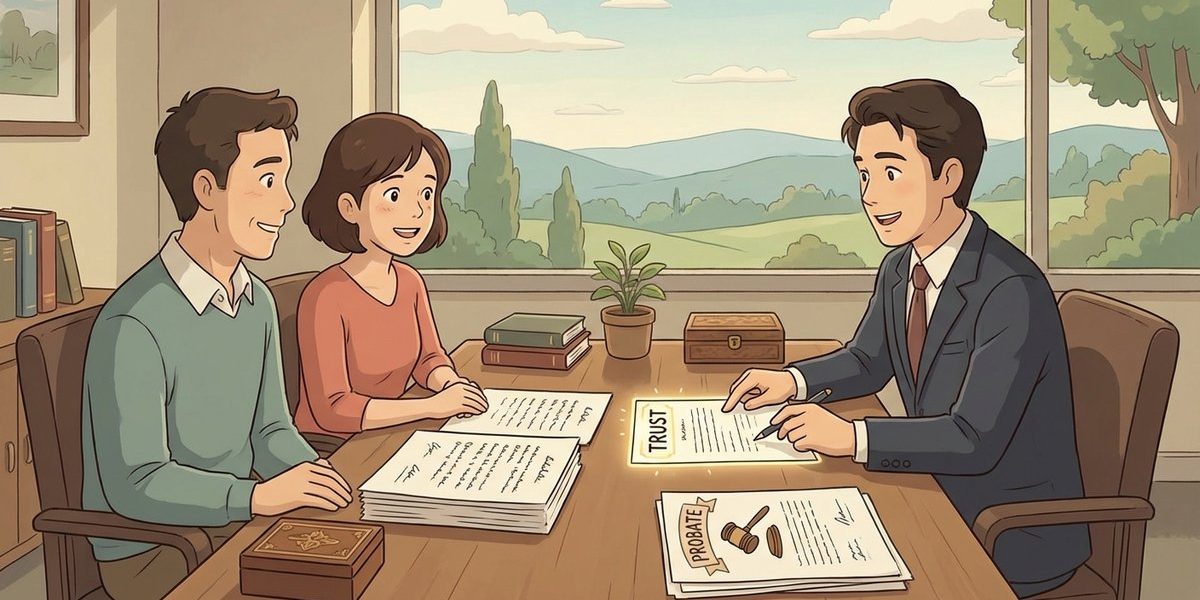
Do I need a probate attorney if the person who died had a trust? – North Carolina
Short Answer
Not always. In North Carolina, a properly funded trust can keep many assets out of the probate court process, but it does not automatically eliminate probate or legal work after death. A probate attorney is often still helpful when there are assets outside the trust, a “pour-over” will, real estate title issues, creditor claims, or disputes about who should act as trustee or personal representative.
Understanding the Problem
In North Carolina probate matters involving a trust, the key question is whether the person who died left any property that still requires action through the Clerk of Superior Court, or whether everything can be handled through trust administration. Can the trustee transfer and manage trust assets without opening an estate, or must a personal representative qualify to deal with assets that are not titled in the trust? The answer usually turns on what the trust owns at death and what tasks must be completed to lawfully transfer title and address debts.
Apply the Law
North Carolina generally treats probate as a court-supervised process handled through the Clerk of Superior Court (the judge of probate) for administering a decedent’s estate. Trust administration is usually handled outside probate by the trustee under the trust document, but probate may still be needed to deal with assets that were never transferred into the trust, to validate and use a will to pass title, or to complete certain creditor and administration steps. When a will leaves assets to an existing trust (a common “pour-over” setup), North Carolina law allows that transfer, but the will still may need to be probated to move those assets into the trust.
Key Requirements
- Identify what is in the trust vs. outside it: Trust-titled assets are usually handled by the trustee; individually titled assets often require probate or another court-recognized transfer method.
- Confirm who has legal authority to act: The trustee acts for trust property; a personal representative (executor/administrator) acts for probate assets after qualifying with the Clerk of Superior Court.
- Handle title, third-party demands, and creditor issues correctly: Banks, buyers, and other institutions often require specific documentation (and sometimes court paperwork) before releasing or transferring assets, and debts/claims still need to be addressed in an orderly way.
What the Statutes Say
- N.C. Gen. Stat. § 7A-241 (Probate jurisdiction) – Gives the Clerk of Superior Court authority over probate of wills and administration of decedents’ estates.
- N.C. Gen. Stat. § 31-47 (Testamentary additions to trusts) – Allows a will to devise property to the trustee of an existing or identified trust (often used for “pour-over” planning).
- N.C. Gen. Stat. § 31-39 (Probate needed to pass title; timing limits) – Explains why probating a will matters for passing title and includes timing rules that can affect enforceability against certain third parties.
Analysis
Apply the Rule to the Facts: The facts indicate a request for help with a North Carolina probate matter involving a trust. That situation commonly requires confirming whether the trust was actually funded (so the trustee can act) or whether a personal representative must qualify with the Clerk of Superior Court to handle assets still titled in the decedent’s individual name. A probate attorney can also coordinate how a will (including a pour-over will) interacts with the trust so assets move to the right place and the correct person has authority to sign and transfer property.
Process & Timing
- Who files: If probate is needed, the nominated executor (or another qualified person) files. Where: The Clerk of Superior Court in the county where the decedent lived. What: An application to probate the will and qualify as personal representative (forms and local requirements vary by county). When: As soon as practical after death, especially if assets must be accessed or transferred.
- Trust-side administration: The trustee gathers trust assets, confirms successor trustee authority, and works with financial institutions. In many cases, a trustee can use a certification of trust to prove authority without handing over the entire trust document, which helps preserve privacy while still satisfying third parties.
- Wrap-up: If probate is opened, the personal representative completes required notices, collects probate assets, pays valid claims in the required order, and files accountings to close the estate. Separately, the trustee completes trust distributions and trust accounting steps required by the trust and North Carolina law.
Exceptions & Pitfalls
- “Having a trust” is not the same as “everything is in the trust”: A trust only controls assets titled in the trust name (or payable to it). Any asset left outside may trigger probate or other transfer steps.
- Pour-over wills still matter: Even when the plan is “everything goes to the trust,” the will may need to be probated to transfer leftover assets into the trust under North Carolina’s rules for devises to a trustee.
- Real estate and title issues: Deeds, recording, and title insurance requirements often drive whether probate filings are needed, even when a trust exists.
- Third-party documentation demands: Banks and other institutions may require specific proof of trustee authority. North Carolina law provides tools that can reduce unnecessary disclosure, but the paperwork must be done correctly.
- Creditor and claim handling: Trust administration does not automatically eliminate debt issues. A coordinated plan is often needed so valid claims are handled properly and the right person (trustee vs. personal representative) signs the right documents.
Conclusion
A trust can reduce or avoid probate in North Carolina, but it does not automatically eliminate the need for a probate attorney. The deciding issue is whether any assets remain outside the trust or require court authority through the Clerk of Superior Court, including situations involving a pour-over will, real estate title, or creditor issues. A practical next step is to inventory what the trust owns versus what is still in the decedent’s individual name and, if probate is needed, file the probate paperwork with the Clerk of Superior Court promptly.
Talk to a Probate Attorney
If you’re dealing with a North Carolina estate where the person who died had a trust and it is unclear whether probate is still required, our firm has experienced attorneys who can help you understand your options and timelines. Call us today at 919-341-7055.
Disclaimer: This article provides general information about North Carolina law based on the single question stated above. It is not legal advice for your specific situation and does not create an attorney-client relationship. Laws, procedures, and local practice can change and may vary by county. If you have a deadline, act promptly and speak with a licensed North Carolina attorney.

